News
Petrol subsidy return could crash naira to N4,000/$ – Oyedele warns
He said investors had repeatedly expressed concerns about the Federal Government’s commitment to sustaining its economic reforms, particularly as the country approaches another election cycle.

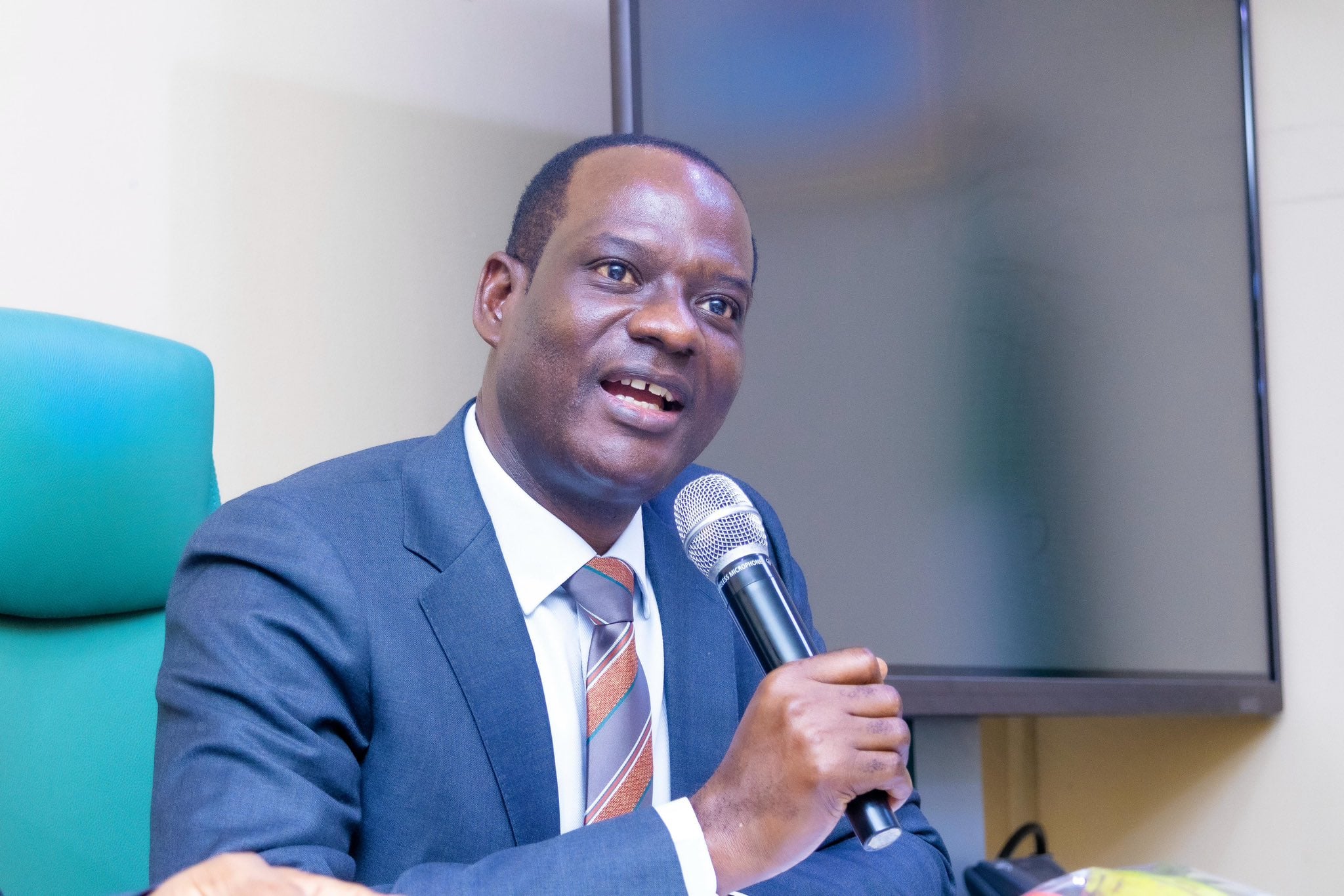
The Minister of Finance and Coordinating Minister of the Economy, Taiwo Oyedele, has warned that bringing back petrol subsidies could trigger capital flight, weaken investor confidence and cause the naira to depreciate to between ₦3,000 and ₦4,000 against the dollar.
Oyedele gave the warning on Monday during a press briefing at the ongoing International Monetary Fund (IMF) and World Bank Annual Meetings in Bangkok, Thailand.
He said investors had repeatedly expressed concerns about the Federal Government’s commitment to sustaining its economic reforms, particularly as the country approaches another election cycle.
The minister ruled out reversing the reforms, warning that even a signal that President Bola Tinubu’s administration was considering reinstating petrol subsidy could unsettle financial markets, increase borrowing costs and worsen economic pressures on households.
“In all the meetings I have had, I came to a conclusion that the markets, including the domestic market, which you can read from the capital market, and the international market, have largely written off the opposition in Nigeria as being unserious,” he said.
Oyedele warned that any indication of a possible return to subsidy would trigger an immediate market reaction.
“If, for any reason, the President were to say we are merely considering the return of fuel subsidy, capital would react immediately.
“Airfares would struggle, the naira would come under severe pressure, potentially moving towards 3,000, 3,500 or even 4,000. The very fuel people want subsidised would become far more expensive in naira terms,” he stated.
The minister added that capital flight could extend beyond foreign investors, as wealthy Nigerians, business owners and middle-class investors might also turn to the dollar as a hedge against uncertainty, further increasing demand for foreign exchange.
Oyedele also rejected suggestions that the Nigerian National Petroleum Company Limited’s temporary reduction in petrol retail margins amounted to a return to subsidy.
He explained that the reduction was a commercial decision rather than a payment funded by public resources, arguing that a company’s decision to lower its profit margin to make a product more affordable should not automatically be classified as a subsidy.


 Follow Us on Google Discover





Sanwo-Olu names Hassan Sanuth as new LAWMA MD

Petrol subsidy return could crash naira to N4,000/$ – Oyedele warns

Rivers Assembly reinstates three lawmakers after appeals

NLC upholds two-week ultimatum to FG over petrol prices, wage talks

BREAKING: Tinubu extends tenure of NCoS, Immigration service chiefs until 2028

Portugal hands Ronaldo 30-Day suspension, €255 fine for walking out of camp

Wike’s son Jordan dragged to EFCC over alleged $2.1m land fraud

Subsidy removal is here to stay, ‘we will never go back to Egypt’ – Tinubu

If Buhari a General could not end insecurity, you cannot blame Tinubu – Yari

Sanwo-Olu reportedly demands LAWMA boss’ resignation over mounting refuse in Lagos

Gregory University founder Gregory Ibe dies at 63

Abia: NAFDAC uncovers suspected N500m fake alcohol factory in Aba

Veteran journalist Christiane Amanpour set to exit CNN after four decades

Gov Otti signs four bills into law, introduces criminal justice reforms in Abia

Pandemonium as fuel tanker goes up in flames under Lagos’ Otedola bridge

BREAKING: Former Delta Governor Emmanuel Uduaghan is dead

‘₦29,000 Cannot sustain a retired officer’ — Atiku challenges Tinubu on police pensions, proposes initiative

Bauchi NDC governorship candidate Ibrahim Kashim resigns from party

Eight Nigerian Soldiers killed as ISWAP landmine hits Army patrol vehicle in Borno

2027: Tinubu must be stopped, ‘even Buhari saw him as bad news’ — Hakeem Baba-Ahmed

2027: “Which North? North Korea or North Carolina?” Nigerians mock politicians promising Tinubu Northern votes

Messi’s double fires Inter Miami to 3-1 victory over Atlanta United

2027: NDC will never step down for Atiku, stop attacking us – Kwankwaso replies ADC Campaign Council

FG defends fiscal reforms as World Bank flags ₦7.7tn debt interest

Catholic priest dies after Jesus’ statue falls on him during mass in Ecuador (video)

FG to introduce fuel taxes when economy stabilises, Oyedele says

“I saw Akpabio at the State House begging Tinubu to keep his position” — Jake Epelle

Wike, Akpabio, Uzodimma: Unity at the podium, rival ambitions behind the Scenes? can Tinubu keep his associates together?

‘Nigeria cannot become prosperous in four years’ — Tinubu’s Economic Adviser says