Special Features
10 critical checks you must make before buying a used Nigerian car

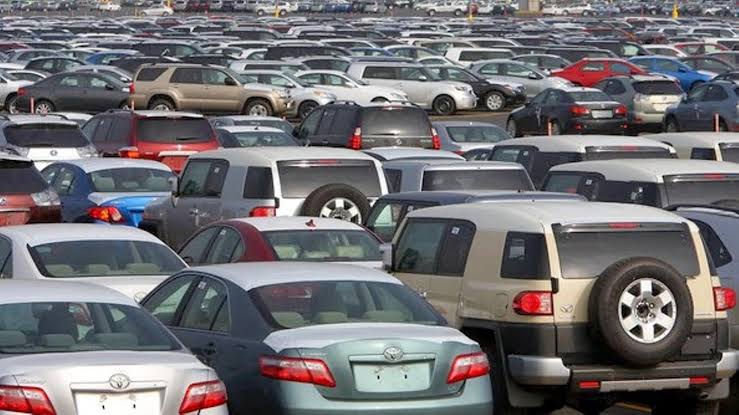
Buying a used car in Nigeria can either save you a lot of money or cost you a fortune if you fail to carry out proper checks before making payment.
With the rising cost of new vehicles, many Nigerians now rely on used and Tokunbo cars as more affordable alternatives.
However, experts warn that a vehicle’s appearance can be deceiving.
A clean-looking car may still have hidden mechanical, legal, or structural problems that could lead to expensive repairs and frustration.
Before paying for any used vehicle, these are 10 important things every buyer should inspect carefully:
1. Engine Condition
The engine is the heart of every vehicle. Check for unusual noises, oil leaks, excessive exhaust smoke, overheating, and signs of poor maintenance.
Engine repairs are among the most expensive vehicle repairs, making this inspection essential.
2. Vehicle Documents
Always verify the vehicle’s registration papers, customs documents, proof of ownership, and other relevant records.
Incomplete or suspicious documentation can lead to legal troubles and ownership disputes.
3. Chassis/VIN Number Verification
The Vehicle Identification Number (VIN), also known as the chassis number, should match the details on all vehicle documents.
Any mismatch could indicate fraud, tampering, or a problematic vehicle history, this could end you in Krikri oo, so beautiful
4. Gearbox Condition
The gearbox is one of the most expensive components to repair or replace.
Whether automatic or manual, buyers should ensure gear changes are smooth and responsive.
Delayed engagement, jerking, slipping gears, unusual noises, or transmission warning lights could indicate serious gearbox problems that may require costly repairs.
If you buy car were get gear box issues, na big wahala be that ooo.
5. Signs of Accident Repairs
Inspect the vehicle for evidence of previous accidents.
Uneven paintwork, welding marks, replaced body panels, and poor alignment may indicate major repairs that could affect safety and durability.
6. Interior Condition
The interior often reveals how well a vehicle has been maintained.
Check the seats, dashboard, air conditioning, windows, controls, seat belts, and electronic features to ensure everything functions properly.
7. Tyres and Suspension
Examine tyre wear patterns and inspect the suspension system. Uneven tyre wear may signal alignment issues, suspension problems, or previous accident damage.
Replacing tyres and suspension components can be costly.
8. Test Drive Performance
Never buy a vehicle without taking it for a test drive.
Pay attention to engine performance, braking efficiency, steering response, acceleration, gear shifting, suspension comfort, vibrations, and unusual sounds.
9. Electrical System
Modern vehicles rely heavily on electrical components. Check the headlights, brake lights, dashboard indicators, battery condition, power windows, central locking system, horn, infotainment system, and other electrical features to avoid future headaches.
10. Service and Maintenance History
A well-documented service history provides valuable insight into how the vehicle was maintained by previous owners.
Regular servicing records can help identify recurring problems and indicate whether the vehicle has been properly cared for over time.
Conclusion
Buying a used car should never be a rushed decision. While many buyers focus mainly on the vehicle’s appearance and price, the smartest purchases are often made by those who take time to inspect every critical detail before making payment.
A few extra hours spent checking documents, verifying the VIN, inspecting the engine and gearbox, and conducting a proper test drive can save a buyer from months, or even years, of financial stress.
In many cases, what appears to be a bargain can quickly become an expensive liability if hidden defects are overlooked.
Experts also advise prospective buyers to involve a trusted mechanic or automobile professional during the inspection process, especially when dealing with high-value vehicles.
Spending a small amount on professional inspection is often far cheaper than paying for major repairs later.
At the end of the day, a good used car is not necessarily the cheapest one on the market; it is the one that offers reliability, legal peace of mind, safety, and value for money.
Careful inspection remains the best protection against costly mistakes in Nigeria’s growing used-car market.
What other things do you think buyers should check before paying for a used car in Nigeria? Share your thoughts in the comments.


 Follow Us on Google Discover

JAMB to establish UTME Centre in Canada for Nigerians in North America from 2027

Rivers govt shut down 21 health facilities over alleged child trafficking

Abiy Ahmed reappointed Prime Minister of Ethiopia

BREAKING: 32 persons were on board says FG, as NAF confirms ownership of crashed aircraft

2027: INEC to begin PVC distribution October 8

Shettima arrives Niger, visits families of NSCDC custodial death victims

2027: ‘He betrayed APGA’ – Anambra govt tells electorate to reject Obi, NDC

Ondo APC names 228-member campaign council for Tinubu’s 2027 re-election

BREAKING: Many feared dead as suspected Military Helicopter crashes in Ondo

Tinubu will ‘harvest’ votes in South-East, win five states — Umahi

No tribe buys bread cheaper, insecurity affects all Nigerians – Obi

2027: Anxiety mounts as INEC awaits Supreme Court judgment on party membership rules

Tinubu meets Uzodinma in Lagos amid rift with Wike’s Rainbow Coalition – Details Emerge

BREAKING: Security Forces kill suspected ISWAP leader planning attacks in Southern Nigeria

Nine Zamfara lawmakers join ADC after dumping APC
BREAKING: Many feared dead as suspected Military Helicopter crashes in Ondo

‘I warned El-Rufai to go on exile or they would jail him’ — Buba Galadima
Tinubu meets Uzodinma in Lagos amid rift with Wike’s Rainbow Coalition – Details Emerge

NOUN halts Alumni activities, election over alleged certificate racketeering

JUST IN: Kidnappers torture 20 corps members, demand N5m ransom each
BREAKING: 32 persons were on board says FG, as NAF confirms ownership of crashed aircraft

NYSC Abduction: Kidnappers issue 24-hour ultimatum, demand N1bn

BREAKING: 8 Zamfara Assembly members dump APC
Nine Zamfara lawmakers join ADC after dumping APC

Panic as fuel tanker catches fire, destroys shops, vehicles in Cross River
2027: ‘He betrayed APGA’ – Anambra govt tells electorate to reject Obi, NDC

BREAKING: Temi Nkem wins BBNaija Season 11 ‘Show Ya Sef’

Kebbi Gov moves to set up military base in Bagudo over rising banditry
2027: Anxiety mounts as INEC awaits Supreme Court judgment on party membership rules
