Politics
2023 election: Peter Obi rode on public anger against Buhari-era hardship, not political strength — Oshiomhole

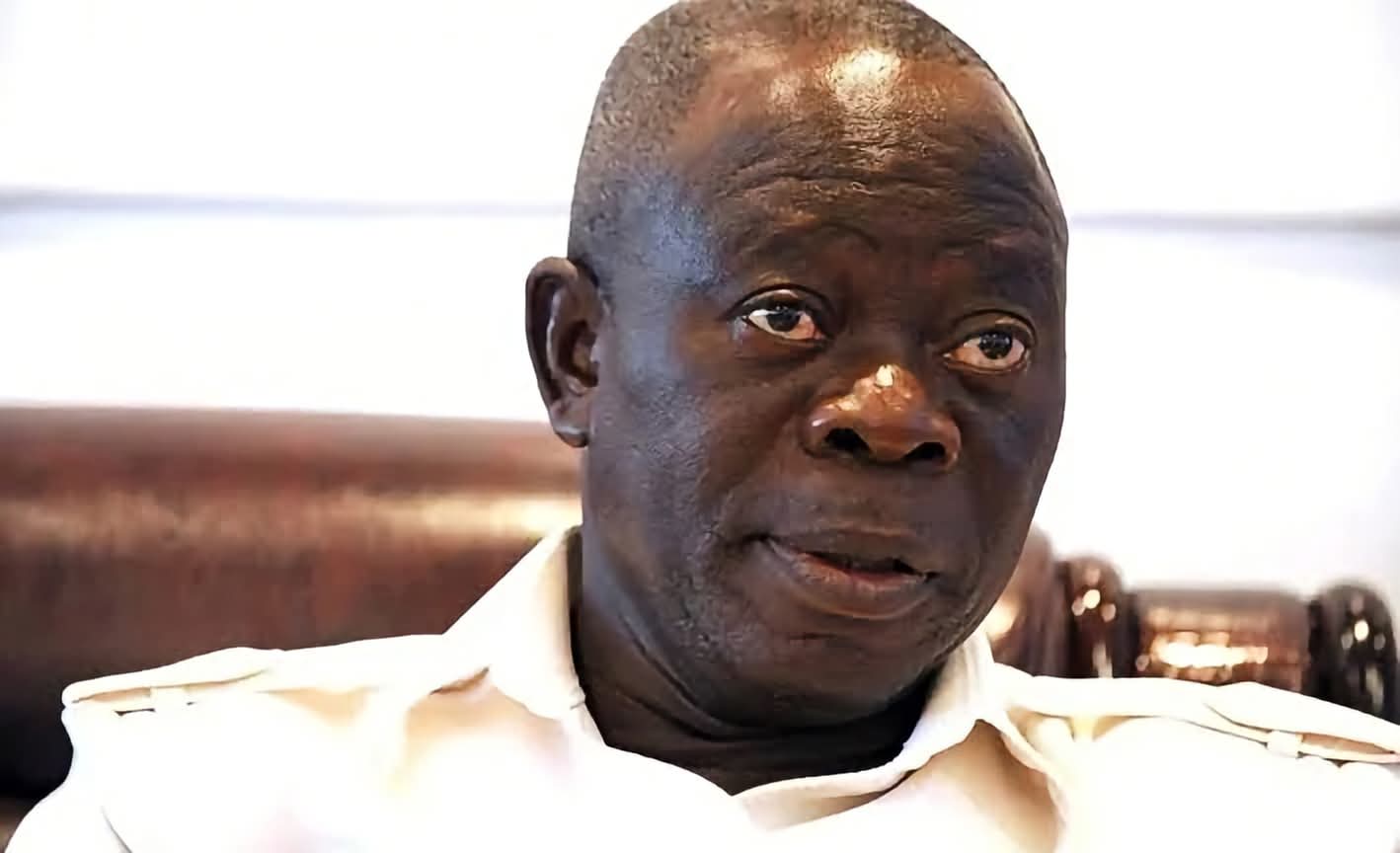
Senator Adams Oshiomhole has said Labour Party presidential candidate Peter Obi’s strong performance in the 2023 presidential election was largely driven by public frustration over the economic hardship experienced during the final months of former President Muhammadu Buhari’s administration.
The former Edo State governor made the remarks on Monday during an interview on TVC News’ Beyond The Headlines, where he dismissed claims that the ruling All Progressives Congress (APC) is worried about Obi ahead of the 2027 general election.
Oshiomhole argued that the votes secured by Obi in the 2023 election did not necessarily reflect a strong political structure or expanding national influence.
According to him, the Labour Party candidate benefited from widespread public anger over policies that caused severe hardship shortly before the election.
Responding to concerns that the APC may be underestimating Obi’s political appeal, especially after his victory in Lagos State and strong support in the South-East, Oshiomhole said, “No, not at all, not at all. Obi was produced by an unusual situation when a ruling party decided to destroy itself, making anybody running on its platform almost unelectable. It was that confusion that produced those votes.”
The senator identified the cash scarcity caused by the naira redesign policy as one of the major factors that fueled public dissatisfaction.
He recalled that many Nigerians could not access money in their bank accounts, spending days moving from one ATM to another, while others slept at banking halls and cash points in the hope of withdrawing small amounts.
“People had money in the bank but couldn’t access it. They queued all night at ATM machines just to withdraw ₦10,000, and after a week, even the ATMs were dry,” he said.
Oshiomhole also cited the fuel scarcity that affected many parts of the country before the election, saying the combination of cash shortages and long fuel queues created deep frustration among citizens.
He noted that many Nigerians resorted to Point of Sale (POS) operators to obtain cash and were often charged high fees.
“Someone asked why people would queue all night to withdraw ₦5,000, then queue again for fuel, and still expect them to queue on election day to vote for the same government. That anger was what produced Obi,” he said.
The former president of the Nigeria Labour Congress maintained that many voters used the election to express their frustration over the economic hardship.
He argued that although the Peoples Democratic Party (PDP) had already lost significant public trust before the election, the economic challenges in the final weeks before the polls further weakened support for the APC government.
Oshiomhole also recounted a conversation with a woman in his community who complained about losing access to her savings despite following government advice to use the banking system.
He quoted her as saying, “You said I should keep my money in the bank, but when I went to collect it, they said there was no money. At the POS, they deducted ₦2,000 from ₦5,000. How do I survive?”
According to Oshiomhole, he explained to residents that the policies responsible for the hardship were not part of the APC’s political agenda, but acknowledged that the suffering experienced by Nigerians significantly influenced the outcome of the election.
“I told her what Buhari was doing at that time was not APC policy. It was that anger that influenced the outcome of the election,” he said.


 Follow Us on Google Discover







Food and Agriculture Organization Of the United Nations (FAO-UN) announces 4 recruitment vacancies across Nigeria (How to Apply)

International Breweries Recruitment: 5 Job vacancies across Nigeria (How to Apply)

ADC Leadership Crisis: Court adjourns Gombe’s suit against David Mark, Aregbesola

Soludo still servicing loans inherited from Peter Obi, Obiano — Anambra Govt

Nwifuru fires back at Cubana Chief Priest, calls him ‘Noisemaker, Nobody’

‘I knew I didn’t commit the offence I was accused of’ – Poco Lee breaks silence after UK release on bail (Video)

BREAKING: Dangote refinery launches N2.15tn IPO, sets October 13 deadline

Real Warri Pikin apologises after viral on-stage moment with Timaya (Video)

DMO opens N1tn FGN bond offer, sets N50m minimum subscription

15 feared killed as gunmen strike Plateau communities

‘I’ll beat Burna Boy’ – Speed Darlington challenges Grammy winner to boxing match

Former West Ham goalkeeper Ludek Miklosko is dead

Ikpeazu officially presents letters of credence to King of Spain, assumes ambassadorial role

EFCC moves against lawyers charging clients in foreign currencies

Adamawa Governor declares Monday public holiday to honour Tukur

2027: INEC publishes final list of presidential, national assembly candidates (Full list)

2027 Elections: INEC publishes final list of 1,195 Senate, 3,213 Reps candidates (Full List)

LP chieftain Arabambi sues UNN over Peter Obi’s academic certificate

‘The devil caused it’ – Anambra woman pleads for forgiveness, admits earning $300 from child sexual content

2027: Over 600 Northern Lecturers endorse Tinubu’s re-election bid

BREAKING: Several Islamic Clerics kidnapped after prayer gathering at Sen. Yari’s residence in Zamfara

Average Nigerian can survive on N3,000 daily, says Reno Omokri

Hon. Desmond Elliot kneels down, begs Gbajabiamila for forgiveness

Army Captain accused of sexually assaulting 13-year-old in Taraba

Haaland scores as 10-man Man City beat Manchester United 1-0

2027 Election: Ex-NAN boss Ima Niboro appointed Tinubu campaign team spokesperson

Burna Boy’s ‘Praise the Sky’ Potshot missed true Christians: by Ugochukwu Ugwuanyi

Yamal double fires Barcelona to 4-2 victory over Levante

Atiku: My fuel subsidy plan will reduce petrol, transport costs