
Business News
‘By 2030, African countries will be largely self-sufficient in refined fuel’ – Dangote
Dangote said the refinery would contribute to efforts to transform Africa from an exporter of raw materials into a continent capable of producing and exporting finished products.

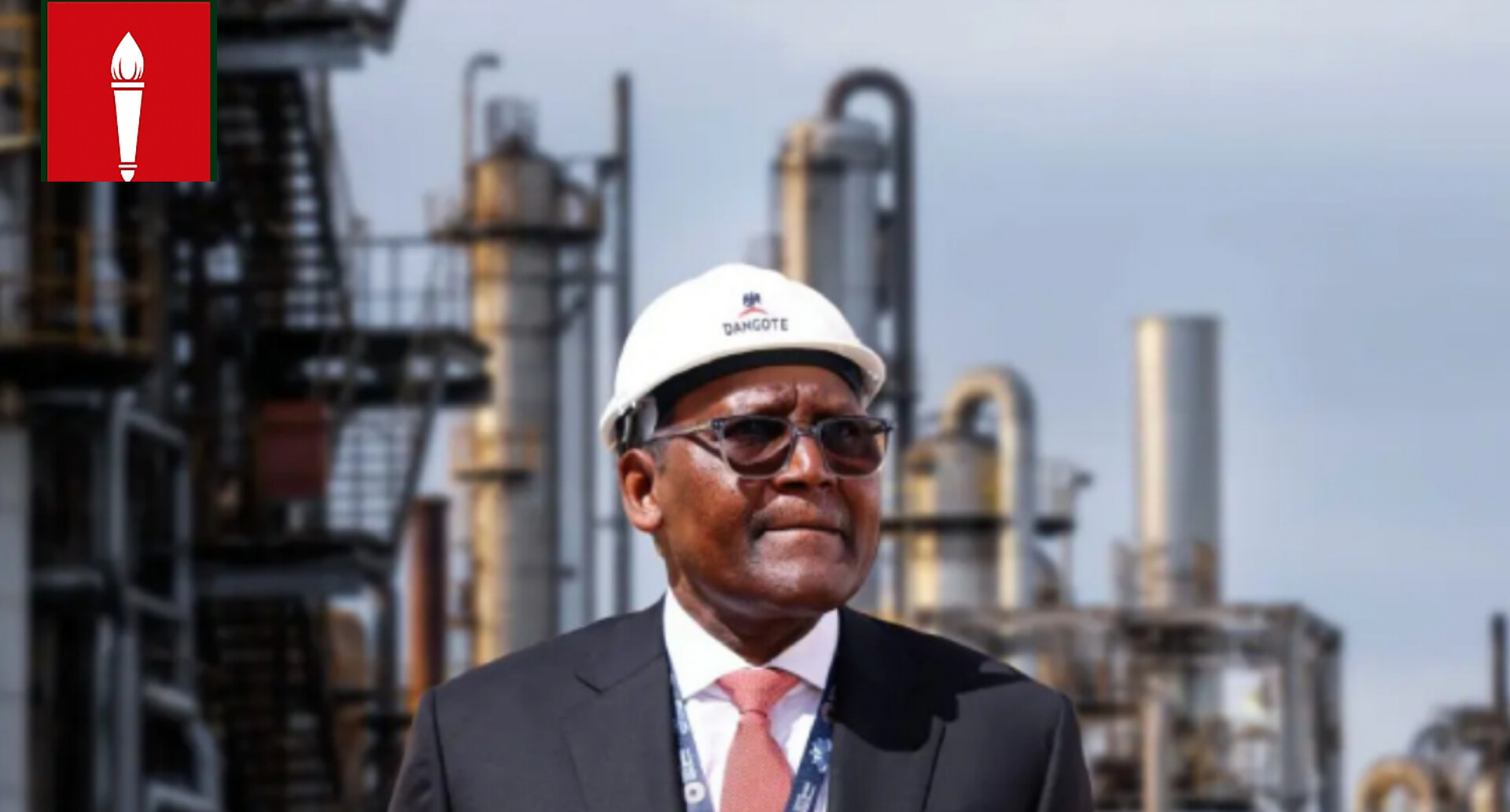
Nigerian billionaire and businessman Aliko Dangote has said Africa could meet most of its refined fuel needs from local production by 2030, as he prepares to launch a major refinery project in Kenya.
Dangote made the projection in an interview with AFP in Nairobi on Tuesday, ahead of the groundbreaking ceremony for a new $16 billion oil refinery on the Kenyan coast.
The planned refinery, which will have a processing capacity of 700,000 barrels of crude oil per day, is expected to take about 30 months to complete.
The project is being positioned as part of a broader push to increase Africa’s capacity to process its own raw materials instead of relying heavily on imported refined petroleum products.
Dangote said the refinery would contribute to efforts to transform Africa from an exporter of raw materials into a continent capable of producing and exporting finished products.
The businessman, who is Africa’s richest man, has previously invested heavily in Nigeria’s refining sector through the Dangote Petroleum Refinery, which has a capacity of 650,000 barrels per day.
He said the expansion of refining capacity across Africa could significantly reduce the continent’s dependence on imported fuel and strengthen local industrial production.
“By 2030, the majority of African countries will be self-sufficient. It does not matter where it is refined, but it should be in the African continent, on the soil of Africa,” he said in response to a question from AFP on when Africa would no longer need to import finished petroleum from other regions.
“The biggest problem is that we export raw materials at maybe 5 to 10 percent of its value, and then we end up buying at 100 percent of its value,” he added.
“We are exporting jobs, because when we keep exporting raw materials, you are creating jobs out there. And when you buy finished products from them… you are importing poverty, because you are not actually creating any jobs here.”


 Follow Us on Google Discover





66th Independence: Tinubu to address Nigerians Thursday at 7am

Tinubu signs amendment bill, extends 2025 budget implementation to December 31

Fake PFIPC DG Adeniyi remanded in Kuje prison over eight-count charge

BREAKING: I will resign as FCT Minister if Tinubu loses Rivers, FCT in 2027 – Wike

DLA raises alarm over fourth extension of 2025 capital budget implementation

Speaker Abbas sponsors 120 FCT inmates for 2026 NABTEB, NECO exams

JAMB extends deadline for 2021–2025 admission to November 30

Five feared killed, several injured in Niger govt House stampede

‘Release Them Now’ — Atiku demands freedom for five arrested over ‘Tinubu Must Go’ t-shirts

BREAKING: FG declares Thursday Public Holiday to mark Nigeria’s 66th Independence Anniversary

Independence Day: NSCDC deploys 3,000 personnel across Abuja

Mambilla Saga: Lawyers petition LPDC to discipline former AGF Malami over alleged misconduct

Disaster averted as solar wiring sparks fire in Kwara building

25-year-old worker dies as building collapses in Anambra

Dangote set to unveil $16bn mega-refinery in Kenya

Dangote Group announces 77 job vacancies across Nigeria, Africa – Apply Now

IITA Recruitment 2026: International Institute of Tropical Agriculture opens vacancies – Apply Now

IBEDC announces recruitment for Operations, Technical Audit Officers (Apply Now)

Court orders Wike’s son Jordan to produce American Passport over $2.1m land fraud suit

BREAKING: Tinubu returns home after four weeks vacation in Europe
BREAKING: FG declares Thursday Public Holiday to mark Nigeria’s 66th Independence Anniversary

Education Ministry releases approved textbooks for Nigerian schools

Public Servants threaten October 2 strike over petrol price, wage award, gets NLC backing

Ogun 2027: PDP defends Adebutu, dismisses eligibility claims

BREAKING: Premier League Commission confirms Manchester City guilty of financial rule breaches

Guinea-Bissau thrash sloppy Super Eagles of Nigeria 3-0 in AFCON Qualifier

Tinubu, Otedola meet at private dinner in Paris

BREAKING: Tinubu ends working vacation, departs Paris for Nigeria

Supreme Court judgement: Trouble for Wike’s ally Chinda, other erring candidates as INEC moves to take action next week
