
National News
2027: INEC has no candidate, no preferred political party – Amupitan

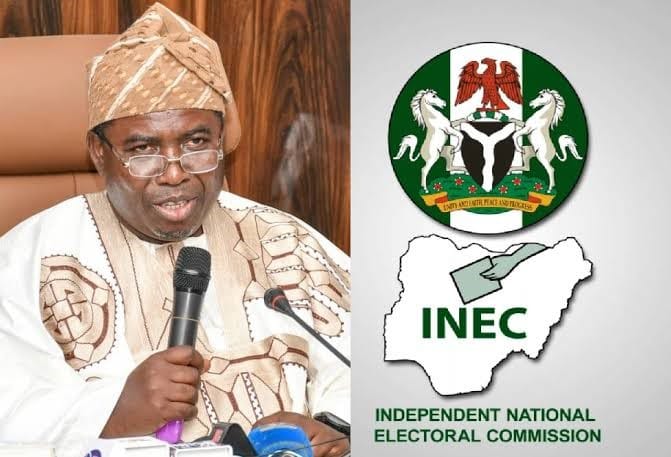
The Chairman of the Independent National Electoral Commission (INEC), Prof. Josiah Amupitan, has assured Nigerians and political parties that the commission will remain neutral and impartial in the 2027 general elections.
Amupitan gave the assurance on Tuesday at the National Peace Accord ahead of the 2027 presidential election, stressing that INEC had no preferred candidate or political party.
“INEC has no interest in who wins or loses any election. The commission does not have a candidate, nor does it favour any political platform,” he said.
The INEC chairman urged political parties and their candidates to make issues and policy proposals the focus of their campaigns rather than resorting to violence, personal attacks and inflammatory rhetoric.
“Let the 2027 election campaign be a marketplace of ideas, not a theatre of war,” Amupitan said.
He said Nigerians were more interested in practical solutions to the challenges facing the country and urged political actors to present clear and measurable programmes to voters.
“Nigerians do not want insults; they want solutions. They deserve to hear clear, concrete, and measurable manifestos,” he added.
Amupitan also assured Nigerians that preparations for the 2027 elections were progressing, saying the commission was building on previous experience to ensure a credible and well-organised electoral process.
According to him, INEC is expanding its operational and logistical capacity to accommodate the large workforce required for the nationwide election.
“I am pleased to report that our preparations for the 2027 elections are progressing with absolute precision. We are scaling our operational logistics to manage a massive nationwide ad hoc workforce of 1.4 million personnel across over 176,000 polling units,” he said.
The chairman’s remarks come as political parties and major political actors intensify preparations for the 2027 general elections, with concerns over electoral credibility, political violence and the independence of election management institutions remaining central to the debate.


 Follow Us on Google Discover




Insecurity: Tinubu hold crucial meeting with defence Minister Musa in Lagos

Military aircraft crash: Tinubu declares three-day national mourning

Nigeria vs Russia: Date, time, venue where to stream

2027: 58 deregistered parties back Tinubu, Sokoto gov Aliyu

SSANU threatens University shutdown over unpaid arrears, gives FG 14 days deadline

Niger tragedy: Shettima announces N250m support for families dead miners

JAMB to establish UTME Centre in Canada for Nigerians in North America from 2027

Rivers govt shut down 21 health facilities over alleged child trafficking

Abiy Ahmed reappointed Prime Minister of Ethiopia

BREAKING: 32 persons were on board says FG, as NAF confirms ownership of crashed aircraft

2027: INEC to begin PVC distribution October 8

Shettima arrives Niger, visits families of NSCDC custodial death victims

2027: ‘He betrayed APGA’ – Anambra govt tells electorate to reject Obi, NDC

Ondo APC names 228-member campaign council for Tinubu’s 2027 re-election

BREAKING: Many feared dead as suspected Military Helicopter crashes in Ondo
BREAKING: Many feared dead as suspected Military Helicopter crashes in Ondo
BREAKING: 32 persons were on board says FG, as NAF confirms ownership of crashed aircraft

Tinubu meets Uzodinma in Lagos amid rift with Wike’s Rainbow Coalition – Details Emerge

‘I warned El-Rufai to go on exile or they would jail him’ — Buba Galadima

JUST IN: Kidnappers torture 20 corps members, demand N5m ransom each
2027: ‘He betrayed APGA’ – Anambra govt tells electorate to reject Obi, NDC

Nine Zamfara lawmakers join ADC after dumping APC

Panic as fuel tanker catches fire, destroys shops, vehicles in Cross River

2027: Anxiety mounts as INEC awaits Supreme Court judgment on party membership rules

BREAKING: 8 Zamfara Assembly members dump APC

BREAKING: Temi Nkem wins BBNaija Season 11 ‘Show Ya Sef’

2027: PDP begins Anambra South campaign, vows to reclaim senate seat

‘Tinubu saved Nigeria from economic collapse, be generous to him’ – VP Shettima

Meet Temi Nkem, winner of BBnaija season 11
