
National News
State police bill: Presidency ends public submissions today

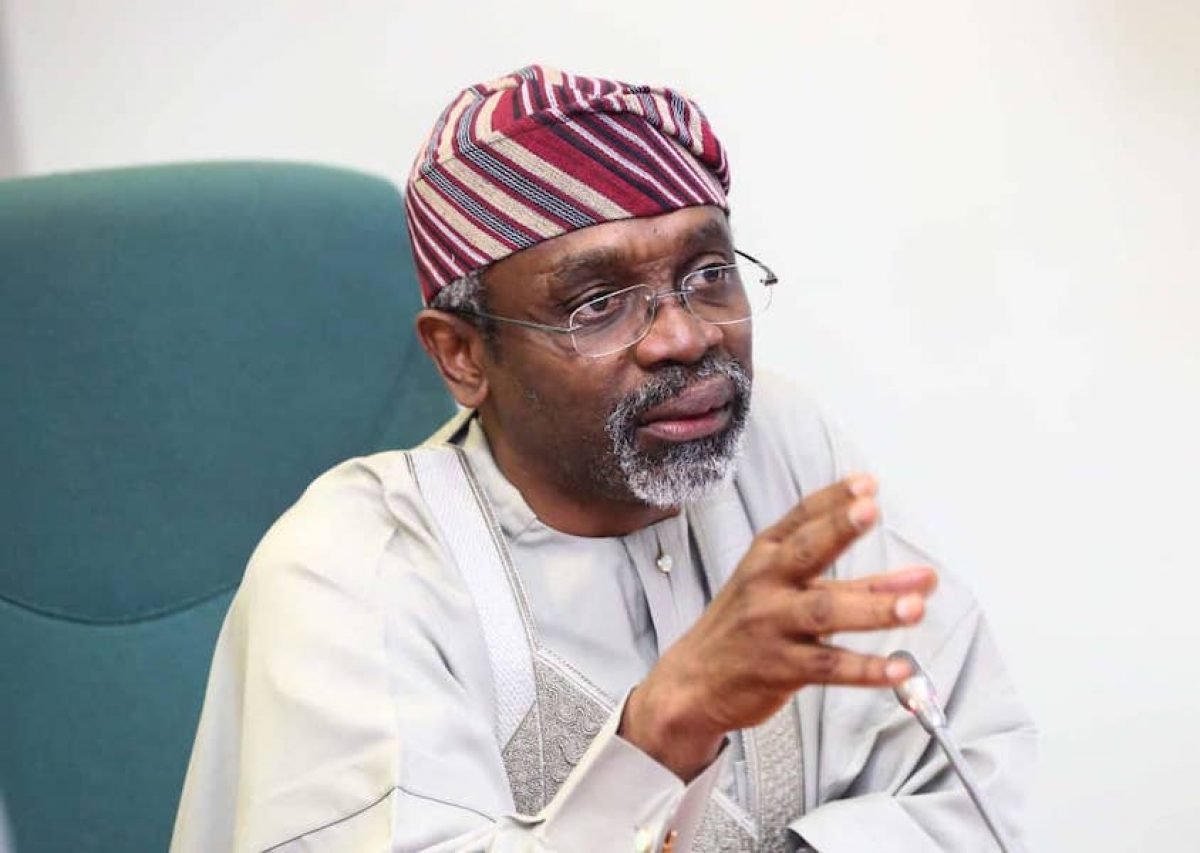
The Presidency has announced that public submissions on the proposed National Policing Bill will close at 5 pm on Thursday, August 13, 2026.
The bill is expected to provide a legal framework for the proposed establishment of state police across Nigeria.
Chief of Staff to President Bola Tinubu and Chairman of the Presidential Working Group on the National Policing Bill, Femi Gbajabiamila, disclosed the deadline on Wednesday.
Gbajabiamila said the consultation was aimed at gathering the views, experiences and professional expertise of Nigerians to help shape the proposed legislation.
He noted that the public contributions would help the government address key concerns surrounding the planned policing system.
According to him, areas requiring particular attention include political interference, effective oversight, police misconduct and intelligence-sharing between the federal and state police services.
The Presidency urged Nigerians with relevant views and recommendations to submit them before the deadline to ensure their concerns are considered in the development of the bill.
He said the consultation would not replace the role of the National Assembly, which would retain the power to scrutinise, amend, reject or pass the Bill when transmitted.
Gbajabiamila urged Nigerians to contribute to the process, particularly on how police services could be protected from political interference, who should investigate serious misconduct and how federal and state forces could share intelligence across state boundaries.
He said, “For too long, the debate has been framed as a choice between effective local policing and protection from political abuse. Nigeria needs both.
“We can bring policing closer to the people while building strong national standards, independent oversight and firm safeguards for every citizen. The time to fix policing in Nigeria is now, and we must see the work through.”
Gbajabiamila also stressed that the proposed state police system must contain strong safeguards to prevent governors from using the force against political opponents, protesters, journalists, minority communities and other citizens.
Gbajabiamila, a former Speaker of the House of Representatives, said although state police could bring policing closer to communities and improve responses to local security challenges, its proximity to state governments raised legitimate concerns about political interference and abuse of power.
He said, “But proximity does not guarantee justice. The concern that governors might use state police against political opponents, minority communities or dissenting voices is serious and must be answered in the design of the law.”
He added that state police services must have lawful authority within their jurisdictions while remaining subject to the constitution, human rights and the rule of law.
According to him, the proposed framework should ensure that police officers are properly recruited, trained, equipped and supervised, while citizens must have access to credible complaints and oversight mechanisms.
Gbajabiamila said the reforms were aimed at creating a policing system that was “closer, faster and better informed by local conditions,” noting that officers familiar with a community’s language, geography and crime patterns would be better positioned to gather intelligence and respond to security threats.
He, however, stressed that the reform must protect citizens from abuse regardless of their political affiliation.
“The law must protect citizens regardless of who holds office. It must protect opposition parties, peaceful protesters, journalists and minority communities.
“It must make unlawful orders easier to resist, misconduct easier to investigate and political interference harder to hide,” he said.
On the legislative process, Gbajabiamila explained that the constitution currently provides for only one police force, the Nigeria Police Force, under Section 214, making constitutional amendment necessary before state police could be established.
He said both chambers of the National Assembly had approved proposed constitutional changes providing for a Federal Police Service and State Police Services, but the process was not yet complete.
According to him, the National Assembly must complete the remaining stages and transmit the amendment to the state Houses of Assembly, where it must be approved by at least 24 of the 36 state legislatures before it can proceed to the President for assent.
He stressed that until those steps were completed, state police remained a proposal.
Gbajabiamila also disclosed that the Presidential Working Group was preparing the National Policing Bill alongside the constitutional amendment process.
He said the Bill would establish national standards for recruitment, vetting, training, remuneration, pensions, equipment and professional conduct, as well as rules on the use of force, complaints, discipline, independent oversight, intelligence sharing and cooperation between federal and state police services.
He said state police would not automatically be established across the country even after the constitutional amendment and the National Policing Bill became law.
“Each state that chooses to establish a service will still need its own enabling law, institutions and funding. It must also meet the national conditions for operation before its officers can begin policing,” he said.
Gbajabiamila said a state that was not ready to establish its own police service would continue to be served by the Nigeria Police Force.


 Follow Us on Google Discover









INEC: Over 9.32 million Nigerian youths register ahead of 2027 election

Benue: Tension as thugs kill NDC Ward Chairman in Makurdi

66th Independence: Tinubu to address Nigerians Thursday at 7am

Tinubu signs amendment bill, extends 2025 budget implementation to December 31

Fake PFIPC DG Adeniyi remanded in Kuje prison over eight-count charge

BREAKING: I will resign as FCT Minister if Tinubu loses Rivers, FCT in 2027 – Wike

DLA raises alarm over fourth extension of 2025 capital budget implementation

Speaker Abbas sponsors 120 FCT inmates for 2026 NABTEB, NECO exams

JAMB extends deadline for 2021–2025 admission to November 30

Five feared killed, several injured in Niger govt House stampede

‘Release Them Now’ — Atiku demands freedom for five arrested over ‘Tinubu Must Go’ t-shirts

BREAKING: FG declares Thursday Public Holiday to mark Nigeria’s 66th Independence Anniversary

Independence Day: NSCDC deploys 3,000 personnel across Abuja

Mambilla Saga: Lawyers petition LPDC to discipline former AGF Malami over alleged misconduct

Disaster averted as solar wiring sparks fire in Kwara building

Dangote Group announces 77 job vacancies across Nigeria, Africa – Apply Now

IITA Recruitment 2026: International Institute of Tropical Agriculture opens vacancies – Apply Now

IBEDC announces recruitment for Operations, Technical Audit Officers (Apply Now)

Court orders Wike’s son Jordan to produce American Passport over $2.1m land fraud suit
BREAKING: FG declares Thursday Public Holiday to mark Nigeria’s 66th Independence Anniversary

BREAKING: Tinubu returns home after four weeks vacation in Europe

Public Servants threaten October 2 strike over petrol price, wage award, gets NLC backing

Ogun 2027: PDP defends Adebutu, dismisses eligibility claims

Education Ministry releases approved textbooks for Nigerian schools

BREAKING: Premier League Commission confirms Manchester City guilty of financial rule breaches

Guinea-Bissau thrash sloppy Super Eagles of Nigeria 3-0 in AFCON Qualifier

Five arrested, remanded in prison for wearing ‘Tinubu Must Go’ T-Shirts in Borno

Tinubu, Otedola meet at private dinner in Paris

Supreme Court judgement: Trouble for Wike’s ally Chinda, other erring candidates as INEC moves to take action next week
