Special Features
Kano State: List of LGAs, population, land mass, government, other key facts

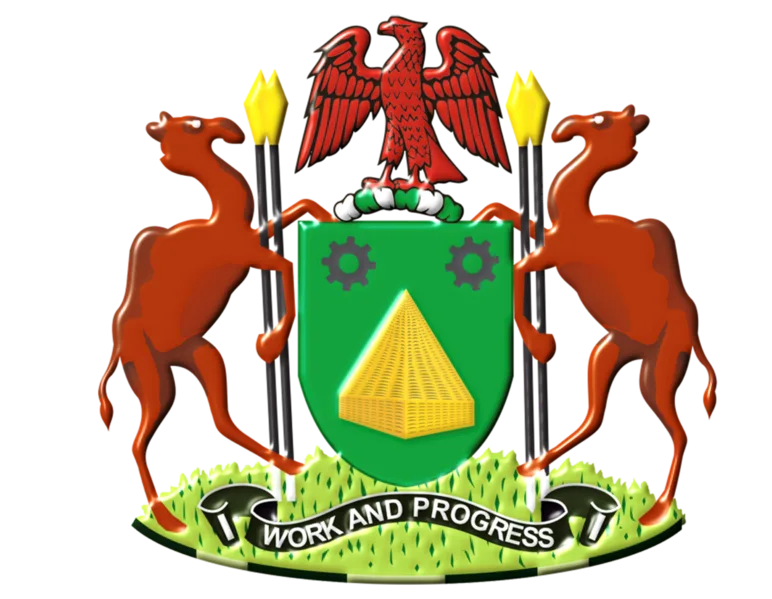
Kano State, popularly known as the Centre of Commerce, is located in Nigeria’s North-West geopolitical zone.
Its capital, Kano, is one of the country’s oldest and most prominent commercial centres, with a long history of trade, manufacturing, agriculture and Islamic scholarship.
The state was created on May 27, 1967, by the military government of General Yakubu Gowon. With 44 local government areas, Kano has one of the largest local government structures among Nigeria’s 36 states.
Kano State occupies an important position in Nigeria’s economy, particularly because of its thriving markets, agricultural activities, manufacturing industries and strategic commercial connections. Its capital city attracts traders, investors and business operators from different parts of Nigeria and neighbouring countries.
Key Facts About Kano State
| Category | Details |
|---|---|
| Official Name | Kano State |
| Slogan | Centre of Commerce |
| Capital | Kano |
| Geopolitical Zone | North-West |
| Date Created | May 27, 1967 |
| Created By | General Yakubu Gowon |
| Number of LGAs | 44 |
| Population | 15,462,177 (projected estimate supplied) |
| Land Area | 20,131 km² |
| Governor | Abba Kabir Yusuf |
| State Government | Government of Kano State |
Governor of Kano State
Abba Kabir Yusuf is listed as the governor of Kano State in the supplied information.
As the head of the state executive, the governor oversees government policies, infrastructure development, education, healthcare, security coordination and other public services across the state.
The Kano State Government is headquartered in Kano, the state capital, which also serves as the administrative and commercial centre of the state.
Senators Representing Kano State
Kano State has three senatorial districts, each represented by a senator in the Nigerian Senate.
The senators listed for the state are:
- Kano Central: Rufai Sani Hanga
- Kano North: Barau Jibrin
- Kano South: Kawu Sumaila
The senators represent their respective districts at the National Assembly, where they participate in lawmaking, legislative oversight and debates on national policies.
Members of the House of Representatives
The supplied information lists 24 members representing Kano State in the Federal House of Representatives.
They are:
- Abdulhakeem Kamilu Ado
- Abdullahi Mu’azu Gwarzo
- Abdullahi Sani Rogo
- Abdulmumin Jibrin
- Abubakar Kabir Abubakar
- Alhassan Ado Doguwa
- Aliyu Sani Madaki
- Ghali Mustapha Tijjani
- Hamisu Ibrahim Chidari
- Hassan Shehu Hussain
- Ibrahim Garba Mohammed
- Idris Dankawu
- Kabiru Alhassan Rurum
- Muhammad Bello Shehu
- Muhammad Garba Chiroma
- Mukhtar Umar Zakari
- Rabiu Yusuf Takai
- Sagir Ibrahim Koki
- Sani Adamu Wakili
- Sani Umar Bala
- Shuaibu Rabiu
- Tijjani Abdulkadir Jobe
- Yusuf Ahmad Badau
- Yusuf Umar Datti
Members of the House of Representatives represent federal constituencies across Kano State. Their responsibilities include making federal laws, scrutinising government activities and presenting the concerns of their constituents.
Editorial note: Political officeholders and constituency assignments may change. Verify the current names and positions before publication.
List of the 44 Local Government Areas in Kano State and Their Headquarters
Kano State has 44 local government areas, making it one of the states with the highest number of LGAs in Nigeria. These local government councils serve as the main structures for grassroots administration and development.
Below is the complete list of the 44 LGAs and their administrative headquarters.
| No. | Local Government Area | Headquarters |
|---|---|---|
| 1 | Ajingi | Ajingi |
| 2 | Albasu | Albasu |
| 3 | Bagwai | Bagwai |
| 4 | Bebeji | Bebeji |
| 5 | Bichi | Bichi |
| 6 | Bunkure | Bunkure |
| 7 | Dala | Gwammaja |
| 8 | Dambatta | Dambatta |
| 9 | Dawakin Kudu | Dawakin Kudu |
| 10 | Dawakin Tofa | Dawakin Tofa |
| 11 | Doguwa | Riruwai |
| 12 | Fagge | Waje |
| 13 | Gabasawa | Zakirai |
| 14 | Garko | Garko |
| 15 | Garun Mallam | Garun Mallam |
| 16 | Gaya | Gaya |
| 17 | Gezawa | Gezawa |
| 18 | Gwale | Gwale |
| 19 | Gwarzo | Gwarzo |
| 20 | Kabo | Kabo |
| 21 | Kano Municipal | Kano |
| 22 | Karaye | Karaye |
| 23 | Kibiya | Kibiya |
| 24 | Kiru | Kiru |
| 25 | Kumbotso | Kumbotso |
| 26 | Kunchi | Kunchi |
| 27 | Kura | Kura |
| 28 | Madobi | Madobi |
| 29 | Makoda | Makoda |
| 30 | Minjibir | Minjibir |
| 31 | Nassarawa | Bompai |
| 32 | Rano | Rano |
| 33 | Rimin Gado | Rimin Gado |
| 34 | Rogo | Rogo |
| 35 | Shanono | Shanono |
| 36 | Sumaila | Sumaila |
| 37 | Takai | Takai |
| 38 | Tarauni | Unguwa Uku |
| 39 | Tofa | Tofa |
| 40 | Tsanyawa | Tsanyawa |
| 41 | Tudun Wada | Tudun Wada |
| 42 | Ungogo | Ungogo |
| 43 | Warawa | Warawa |
| 44 | Wudil | Wudil |
Why Kano State Is Important to Nigeria
Kano State plays a major role in Nigeria’s economic, cultural and historical development. Its commercial influence extends beyond the North-West region, making it an important centre for trade and business across West Africa.
1. Major commercial centre: Kano is widely recognised for its large markets and trading activities. Markets such as the famous Kurmi Market have historically attracted traders dealing in textiles, food items, livestock and other commodities.
2. Agriculture: Agriculture is a major source of livelihood across the state. Kano is known for the production and trade of crops such as rice, maize, millet, sorghum, groundnuts and vegetables.
3. Manufacturing and industry: The state has a long history of industrial and manufacturing activities, particularly in textiles, food processing, leather production and other consumer goods.
4. Historical significance: Kano is one of the historic cities of Northern Nigeria, with a rich heritage linked to ancient trade routes, traditional institutions and the historic Kano Emirate.
5. Education and Islamic scholarship: Kano has contributed significantly to Islamic education and scholarship in Northern Nigeria. It is also home to several higher institutions and centres of learning.
6. Regional trade: Its geographical position and commercial connections make Kano an important trading destination for businesses operating across Nigeria and neighbouring countries.
Frequently Asked Questions About Kano State
1. What is the capital of Kano State?
The capital of Kano State is Kano.
2. What is the slogan of Kano State?
Kano State is popularly known as the Centre of Commerce.
3. When was Kano State created?
Kano State was created on May 27, 1967.
4. Who created Kano State?
It was created under the military government of General Yakubu Gowon.
5. Which geopolitical zone is Kano State in?
Kano State is located in Nigeria’s North-West geopolitical zone.
6. How many local government areas does Kano State have?
Kano State has 44 local government areas.
7. What is the population of Kano State?
The population figure supplied for Kano State is 15,462,177. This should be treated as a projected estimate rather than a confirmed current census figure.
8. Who is the governor of Kano State?
Abba Kabir Yusuf is listed as the governor in the supplied information. His current status should be verified before publication.
9. How many senators represent Kano State?
Kano State has three senatorial districts and three Senate seats.
10. How many members does Kano State have in the House of Representatives?
The supplied information lists 24 members representing the state in the Federal House of Representatives.
Conclusion
Kano State remains one of Nigeria’s most important commercial and historical centres. Its capital, Kano, has a long-standing reputation as a major trading destination, while the state’s agricultural and industrial activities contribute significantly to the Nigerian economy.
Known as the Centre of Commerce, Kano has 44 local government areas and a rich cultural heritage. Its influence in trade, agriculture, manufacturing, education and regional commerce continues to make it a key part of Nigeria’s economic development.


 Follow Us on Google Discover




FG set to launch digital export platform to curb revenue leakages December 14

NDLEA storms notorious Edo drug hub, arrests three suspects

Beating The Basin Heat: How Gwagwalada Health Authorities are mobilizing against severe heatwave advisories

UNIJOS names Patricia Lar as first female Vice-Chancellor after five decades

INEC begins distribution of election materials ahead of 2027 general polls

ADC Crisis: INEC will abide by Court ruling on Atiku’s 2027 presidential ambition

UNN VC confirms four deaths, declares three-day mourning over house party tragedy

2027: “We need to complete what we started, please vote for us” — Tinubu begs Edo residents

Kwara State: List of LGAs, population, land mass, government, other key facts

Kogi State: List of LGAs, population, land mass, government, other key facts

Kebbi State: List of LGAs, population, land mass, government, other key facts

Katsina State: List of LGAs, population, land mass, government, other key facts

Kano State: List of LGAs, population, land mass, government, other key facts

Kaduna State: List of LGAs, population, land mass, government, other key facts

Southwest Monarchs reject fuel subsidy return, endorse Tinubu for second term

FG clears 21-Month Pension arrears, pays Federal Workers’ accrued rights up to December 2029 — PenCom

Six UNN Students found dead in apartment a day after graduation

Ex-Obidient Movement Leader, Yunusa Tanko dumps Obi, emerges SDP Campaign Coordinator

BREAKING: Tinubu gifts N100m each to Flamingos winning U-17 World Cup

NDC crisis deepens as deputy national publicity secretary Abdulsalami resigns

2027: INEC may take action on ADC next week – Mohammed Haruna

2027: INEC removes AI-generated photos from voters’ register, flags officials in 10 states

Army arrests father, son over suspected terrorist links in Sokoto, recovers AK-47

Akure socialite Ade Basket dies weeks after wife’s burial

Makinde cautions Oyo lawmakers, says he remains Governor until May 2027

Nigerian Navy destroys two illegal refining sites in Rivers, recovers 53,000 litres of petroleum products

ADC crisis takes new turn as court rejects Nafiu Bala’s alleged resignation letter

Thugs storm Peter Obi’s NDC town hall meeting, attack supporters in Lagos

Nollywood actor Justin UG enlist in US Air Force (Photos)
