
Special Features
Kwara State: List of LGAs, population, land mass, government, other key facts

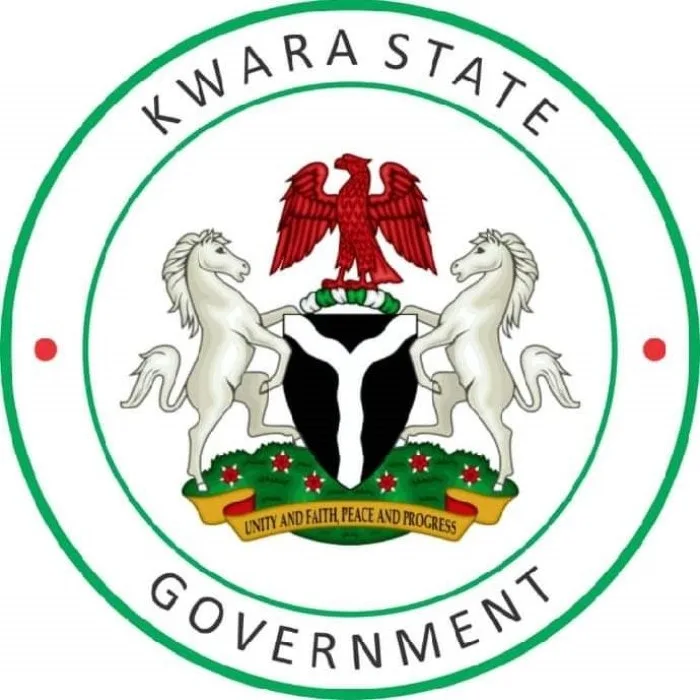
Kwara State, popularly known as the State of Harmony, is located in Nigeria’s North-Central geopolitical zone.
Its capital is Ilorin, a major commercial and administrative centre in the state.
Kwara was created on May 27, 1967, by the military administration of General Yakubu Gowon. The state has 16 local government areas and a population figure of 3,551,023, according to the estimate supplied for this profile.
The state shares boundaries with Niger, Kogi, Ekiti and Osun states, as well as the Republic of Benin. Its strategic location, agricultural activities, educational institutions and commercial centres make it an important part of Nigeria’s North-Central region.
Key Facts About Kwara State
| Category | Details |
|---|---|
| Official Name | Kwara State |
| Slogan | State of Harmony |
| Capital | Ilorin |
| Geopolitical Zone | North-Central |
| Date Created | May 27, 1967 |
| Created By | General Yakubu Gowon |
| Number of LGAs | 16 |
| Population | 3,551,023 (supplied estimate) |
| Land Area | 36,825 km² |
| Governor (as supplied) | AbdulRahman AbdulRazaq |
| State Government | Government of Kwara State |
Governor of Kwara State
The governor of Kwara State is AbdulRahman AbdulRazaq. He is the chief executive of the state and heads the Government of Kwara State.
The governor is responsible for directing government policies, supervising ministries and agencies, and coordinating development programmes across the state’s 16 local government areas.
Senators Representing Kwara State
Kwara State has three senatorial districts, each represented by a senator in the National Assembly.
The senators listed for the state are:
- Kwara North: Sadiq Suleiman Umar
- Kwara Central: Saliu Mustapha
- Kwara South: Lola Ashiru
They represent their respective districts in the Senate, where they participate in lawmaking, legislative oversight and national policy discussions.
Members of the House of Representatives from Kwara State
Kwara State has six members in the House of Representatives, representing its federal constituencies.
The lawmakers listed for the state are:
- Adam Ahmed Saba
- Ismail Kayode Tijani
- Malam Mohammed Bio
- Olawuyi Abdulraheem Tunji
- Tolani Shagaya
- Yinka Ahmed Aluko
List of Local Government Areas in Kwara State and Their Headquarters
Kwara State has 16 local government areas. Each has an administrative headquarters responsible for coordinating local government activities and administration.
| No. | Local Government Area | Headquarters |
|---|---|---|
| 1 | Asa | Afon |
| 2 | Baruten | Kosubosu |
| 3 | Edu | Lafiagi |
| 4 | Ekiti | Araromi-Opin |
| 5 | Ifelodun | Share |
| 6 | Ilorin East | Oke-Oyi |
| 7 | Ilorin South | Fufu |
| 8 | Ilorin West | Ilorin |
| 9 | Irepodun | Omu-Aran |
| 10 | Isin | Owu-Isin |
| 11 | Kaiama | Kaiama |
| 12 | Moro | Bode Saadu |
| 13 | Offa | Offa |
| 14 | Oke Ero | Iloffa |
| 15 | Oyun | Ilemona |
| 16 | Patigi | Patigi |
Importance of Kwara State
Kwara State is important to Nigeria because of its agricultural resources, strategic location, commercial activities, educational institutions and cultural heritage.
1. Agriculture and food production: Agriculture is a major occupation in Kwara State. Farmers cultivate crops such as rice, maize, cassava, yam, sorghum and soybeans. Livestock farming and fishing also contribute to the state’s agricultural economy.
2. Strategic geographical location: Kwara’s position in the North-Central region, bordering several Nigerian states and the Republic of Benin, supports trade, transportation and movement between different parts of the country.
3. Education: The state is home to notable higher institutions, including the University of Ilorin, Kwara State University and other educational establishments. These institutions attract students from across Nigeria.
4. Commercial activities: Ilorin, Offa and other towns serve as important centres for trade and business. Markets, transport services and small-scale industries support economic activities across the state.
5. Cultural heritage: Kwara has a rich cultural identity, with different communities, traditional institutions, festivals and local customs contributing to its diversity.
6. Tourism and natural attractions: The state has attractions such as the Owu Waterfalls and Esie Museum. These sites offer opportunities for tourism, cultural education and recreation.
Frequently Asked Questions About Kwara State
1. What is the capital of Kwara State?
The capital of Kwara State is Ilorin.
2. What is the slogan of Kwara State?
Kwara State’s official slogan is “State of Harmony”.
3. When was Kwara State created?
Kwara State was created on May 27, 1967.
4. Who created Kwara State?
The state was created by the military administration of General Yakubu Gowon.
5. Which geopolitical zone is Kwara State located in?
Kwara State is located in Nigeria’s North-Central geopolitical zone.
6. How many local government areas are in Kwara State?
Kwara State has 16 local government areas.
7. What is the population of Kwara State?
The population figure supplied for this profile is 3,551,023. It should be treated as an estimate rather than a confirmed current census figure.
8. Who is the governor of Kwara State?
The governor listed for Kwara State is AbdulRahman AbdulRazaq.
9. Who are the senators representing Kwara State?
The senators listed are Sadiq Suleiman Umar for Kwara North, Saliu Mustapha for Kwara Central and Lola Ashiru for Kwara South.
10. What is Kwara State famous for?
Kwara State is known for its agricultural activities, educational institutions, cultural heritage and tourist attractions, including Owu Waterfalls and Esie Museum.
Conclusion
Kwara State remains an important part of Nigeria’s North-Central region, with Ilorin serving as its administrative and commercial centre. Its agricultural potential, educational institutions, cultural diversity and strategic location contribute to its economic and social importance.
With 16 local government areas and a rich historical background, the State of Harmony continues to play a significant role in Nigeria’s development.
Editorial note: Population figures are presented as supplied estimates. Governor, senators and House of Representatives membership should be checked against current official records before publication.


 Follow Us on Google Discover




FG set to launch digital export platform to curb revenue leakages December 14

NDLEA storms notorious Edo drug hub, arrests three suspects

Beating The Basin Heat: How Gwagwalada Health Authorities are mobilizing against severe heatwave advisories

UNIJOS names Patricia Lar as first female Vice-Chancellor after five decades

INEC begins distribution of election materials ahead of 2027 general polls

ADC Crisis: INEC will abide by Court ruling on Atiku’s 2027 presidential ambition

UNN VC confirms four deaths, declares three-day mourning over house party tragedy

2027: “We need to complete what we started, please vote for us” — Tinubu begs Edo residents

Kwara State: List of LGAs, population, land mass, government, other key facts

Kogi State: List of LGAs, population, land mass, government, other key facts

Kebbi State: List of LGAs, population, land mass, government, other key facts

Katsina State: List of LGAs, population, land mass, government, other key facts

Kano State: List of LGAs, population, land mass, government, other key facts

Kaduna State: List of LGAs, population, land mass, government, other key facts

Southwest Monarchs reject fuel subsidy return, endorse Tinubu for second term

FG clears 21-Month Pension arrears, pays Federal Workers’ accrued rights up to December 2029 — PenCom

Six UNN Students found dead in apartment a day after graduation

Ex-Obidient Movement Leader, Yunusa Tanko dumps Obi, emerges SDP Campaign Coordinator

BREAKING: Tinubu gifts N100m each to Flamingos winning U-17 World Cup

2027: INEC may take action on ADC next week – Mohammed Haruna

NDC crisis deepens as deputy national publicity secretary Abdulsalami resigns

Army arrests father, son over suspected terrorist links in Sokoto, recovers AK-47

Akure socialite Ade Basket dies weeks after wife’s burial

2027: INEC removes AI-generated photos from voters’ register, flags officials in 10 states

Nigerian Navy destroys two illegal refining sites in Rivers, recovers 53,000 litres of petroleum products

ADC crisis takes new turn as court rejects Nafiu Bala’s alleged resignation letter

Thugs storm Peter Obi’s NDC town hall meeting, attack supporters in Lagos

Makinde cautions Oyo lawmakers, says he remains Governor until May 2027

Nollywood actor Justin UG enlist in US Air Force (Photos)
