National News
FG set to launch digital export platform to curb revenue leakages December 14

The Federal Government has announced plans to tackle revenue leakages, improve regulatory compliance and remove unnecessary procedures in Nigeria’s export sector through the second phase of the National Single Window project.
The second phase of the initiative is scheduled to commence on December 14, 2026.
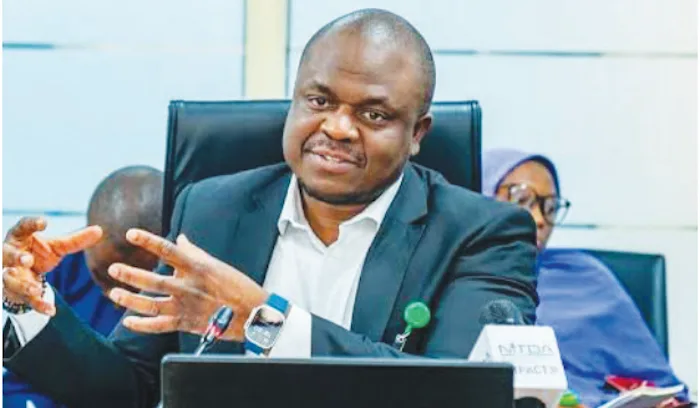
The Director of the National Single Window Project, Tola Fakolade, disclosed this on Thursday during the Phase Two National Single Window Sensitisation Programme held in Port Harcourt, Rivers State.
Fakolade explained that the digital platform would simplify export documentation and permit processing by providing a centralised system where exporters could submit required documents and obtain approvals from relevant regulatory agencies.
He explained that the first phase of the project, which focused on the submission of licences and permits, had recorded significant successes, particularly in enforcing compliance and preventing revenue leakages.
Fakolade noted that feedback from participating agencies showed that the platform’s compliance mechanisms had helped ensure that users adhered to regulatory requirements.
“I will use a very good example of the first phase that we implemented. One of the testimonials we got from some of the agencies from the first phase is that because of the enforcement compliance on the platform it actually forces users to be compliant.
“When there is compliance, then there is a blockade of revenue leakages. So we’ve got feedback that it actually helped them to ensure that people comply.
“So we believe that building on the success that we have in the first phase in this second phase that is based on export we believe that we can build on that and achieve our objectives as laid out,” he stated.
Fakolade expressed confidence that the achievements recorded in the first phase would provide a solid foundation for the export component, which he said was designed to improve efficiency and transparency in international trade.
He disclosed that the second phase would be implemented in two batches, with the first scheduled to commence on December 14.
He added that the first batch would cover the issuance of export permits by regulatory and other agencies responsible for inspecting products and issuing permits before export.
Fakolade noted that the second batch would cover the Central Bank of Nigeria’s processes and was expected to go live in the first quarter of 2027.
On the benefits of the platform, Fakolade said exporters would no longer need to visit different government agencies or submit the same documents through multiple independent systems.
He stated, “Instead of going to all the different programmes, you come to one platform and you submit your certificate on one system.”
The NSW director disclosed that the project team had concluded its User Acceptance Testing and would commence end-user training on November 16. He urged exporters and other stakeholders to register and participate ahead of the December launch.
In his keynote address, an official of the Nigerian Export Promotion Council, Ndubueze Okeke, called on the Federal Government to accelerate economic diversification by strengthening non-oil exports, warning that the country could not achieve sustainable economic growth by relying overwhelmingly on crude oil revenue.
Nigeria, Okeke said, must begin to build an economy supported by multiple sectors, including agriculture, manufacturing, tourism, education, healthcare, financial services and other areas with significant export potential.
He described the export component of the National Single Window as a strategic initiative capable of repositioning the economy, improving trade efficiency and strengthening Nigeria’s competitiveness in the global marketplace.
While challenging Nigerians to look beyond oil, Okeke asked, “How many of us would want Nigeria’s oil to be exhausted in the next five years?”
He said the question was intended to encourage stakeholders to consider the country’s economic future beyond crude oil, stressing that Nigeria’s human resources, agricultural potential, industries and entrepreneurial capacity could sustain long-term prosperity.
Using the United Arab Emirates as an example, Okeke said the country had successfully diversified its economy by developing sectors such as tourism, trade, finance, education and healthcare.


 Follow Us on Google Discover







FG set to launch digital export platform to curb revenue leakages December 14

NDLEA storms notorious Edo drug hub, arrests three suspects

Beating The Basin Heat: How Gwagwalada Health Authorities are mobilizing against severe heatwave advisories

UNIJOS names Patricia Lar as first female Vice-Chancellor after five decades

INEC begins distribution of election materials ahead of 2027 general polls

ADC Crisis: INEC will abide by Court ruling on Atiku’s 2027 presidential ambition

UNN VC confirms four deaths, declares three-day mourning over house party tragedy

2027: “We need to complete what we started, please vote for us” — Tinubu begs Edo residents

Kwara State: List of LGAs, population, land mass, government, other key facts

Kogi State: List of LGAs, population, land mass, government, other key facts

Kebbi State: List of LGAs, population, land mass, government, other key facts

Katsina State: List of LGAs, population, land mass, government, other key facts

Kano State: List of LGAs, population, land mass, government, other key facts

Kaduna State: List of LGAs, population, land mass, government, other key facts

Southwest Monarchs reject fuel subsidy return, endorse Tinubu for second term

FG clears 21-Month Pension arrears, pays Federal Workers’ accrued rights up to December 2029 — PenCom

Six UNN Students found dead in apartment a day after graduation

Ex-Obidient Movement Leader, Yunusa Tanko dumps Obi, emerges SDP Campaign Coordinator

BREAKING: Tinubu gifts N100m each to Flamingos winning U-17 World Cup

NDC crisis deepens as deputy national publicity secretary Abdulsalami resigns

2027: INEC may take action on ADC next week – Mohammed Haruna

Army arrests father, son over suspected terrorist links in Sokoto, recovers AK-47

2027: INEC removes AI-generated photos from voters’ register, flags officials in 10 states

Akure socialite Ade Basket dies weeks after wife’s burial

ADC crisis takes new turn as court rejects Nafiu Bala’s alleged resignation letter

Makinde cautions Oyo lawmakers, says he remains Governor until May 2027

Nigerian Navy destroys two illegal refining sites in Rivers, recovers 53,000 litres of petroleum products

Thugs storm Peter Obi’s NDC town hall meeting, attack supporters in Lagos

ADC members protest in Abuja, demand release of court judgment against David Mark-led NWC
