
Entertainment
‘My finances were better before Tinubu’s Govt’, but Nigerians must feel the pain to reap the benefits’ – Seyi Law

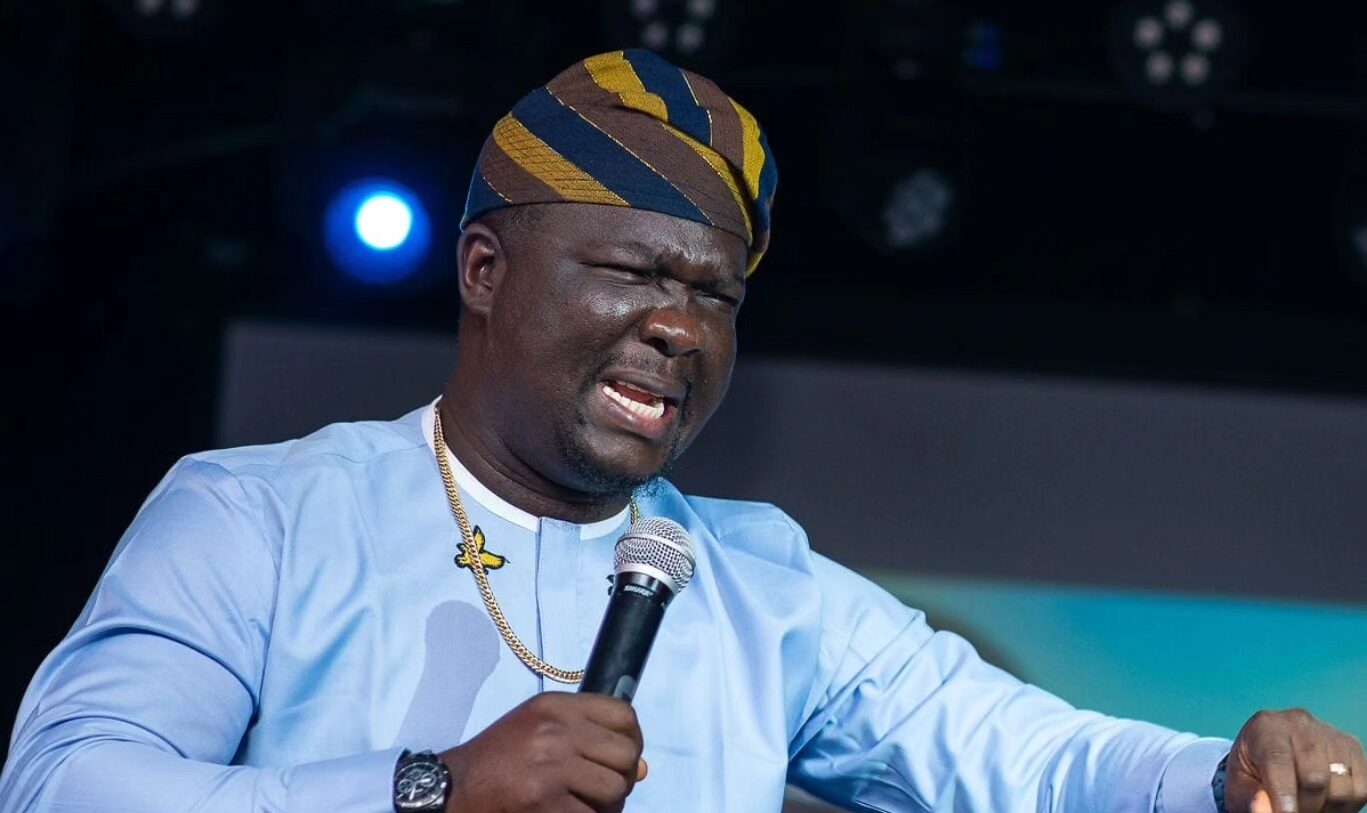
Nigerian actor and comedian Oluwaseyitan Aletile, popularly known as Seyi Law, has disclosed that his personal finances have deteriorated under the administration of President Bola Tinubu, revealing that the amount he spends on his family’s upkeep has more than doubled.
Seyi Law made this known during an interview on the Clarity Zone podcast on Thursday, where he explained that the rising cost of supporting his family in the United Kingdom had forced him to work harder to maintain their standard of living.
According to the comedian, he previously spent about N2m every other month on his family’s upkeep, but now spends between N4m and N5m within the same period.
“My finances was better before this government came in,” he said.
He added, “My family are in the UK, for example, with N2m every other month. They were okay. Now I’ve had to double that to about N4m, N5m every other month.”
Seyi Law said the increased financial burden had compelled him to put in more effort to ensure his family remained comfortable.
“And now I work double to make life better, to make life easier for them,” he stated.
Despite acknowledging the impact of the economic situation on his finances, the comedian defended the Tinubu administration’s economic reforms, arguing that Nigerians must be prepared to endure short-term difficulties for the policies to deliver their expected benefits.
He admitted that many Nigerians were struggling with hunger and the rising cost of living, describing it as dishonest for anyone to deny the hardship facing citizens.
“People are hungry. Are people not hungry? They are hungry.
“I will be a hypocrite. I will be a bad person to say people are not hungry,” he said.
However, he maintained that the immediate difficulties associated with major economic reforms should not be the only basis for assessing the administration’s policies.
According to him, Nigerians must be willing to experience the effects of difficult policy decisions before they can enjoy their potential benefits.
“You must feel the pain of the policies to reap the benefit of it,” he said, adding that the benefits of good policies could take between 10 and 12 years to become fully established.
He cited the development experiences of China and Singapore, arguing that their economic progress followed prolonged periods of reforms and difficult adjustments.
Seyi Law urged Nigerians to exercise patience in assessing the Tinubu administration, while also calling for greater scrutiny of state and local governments over the management of public funds.
He argued that public anger over economic hardship should not be directed exclusively at the Federal Government, insisting that citizens must also hold other levels of government accountable for their responsibilities.
“We need to know where we should channel our anger,” he said.
The comedian specifically called for closer monitoring of local government allocations, arguing that council chairmen should explain how funds released to their administrations were being spent.
He alleged that some governors continued to exert influence over local government finances, claiming that, in an unnamed state, the governor received almost 70 per cent of a council’s allocation.
“Do you know that the governor of that state collects almost 70 per cent of that money?” he asked.
He further alleged that some local government chairmen were required to pay kickbacks to governors who facilitated their emergence, urging residents to demand accountability from their council officials.
Seyi Law also defended Tinubu’s position on local government financial autonomy, arguing that the policy was intended to allow councils to receive and manage their allocations directly.
He urged citizens to monitor whether local government authorities were using the funds to provide essential services, including roads and healthcare.
His comments come amid continued debate over the impact of the Tinubu administration’s economic reforms, particularly the removal of the petrol subsidy and changes to the foreign exchange regime.
While critics have expressed concerns over rising living costs and the pressure on household incomes, supporters of the reforms maintain that the measures are necessary to address longstanding economic challenges and strengthen public finances.


 Follow Us on Google Discover

NPFL faces fresh backlash as Shooting Stars fans attack Rivers United players, referee

Gunmen launch fresh attack in Plateau, kill 51-year-old man, two others

18 Super Falcons players arrive camp ahead of Algeria friendly (Full list)

INEC begins BVAS mock accreditation, result upload in Zamfara

FG unveils N5m support scheme for 600 Nigerian Tailors (How To Apply)

2027: ‘Peter Obi is the best candidate everybody should step down for’ – Galadima speaks on opposition coalition against Tinubu

‘Tinubu Must Go! Nigerians don’t want him anymore’ – Peter Obi

2027: ‘I’ll deal with you if you don’t vote APC’ – Nwifuru threatens Ebonyi community

‘Tinubu should rule Nigeria for another 10 years if possible’ – Bisi Akande

Bisi Akande backs Tinubu’s continued presidency, says 10 years needed to complete reforms

2027: SDP’s Adebayo pledges N200 per litre petrol without fuel subsidy if elected

‘He lies as if his life depends on it’ – Presidency blasts Peter Obi

2027: ‘It will be a miracle for Atiku or Obi to step down’ – Rufai Oseni

EFCC drags woman to court over alleged N62.5m pilgrims fraud
Nigeria moves to host inaugural U-17 Women’s Africa Cup of Nations

Just-In: You are just a ‘useful errand boy for now’, your usefulness will be outlived soon – Gov Uzodimma claps back at Wike

Wike plotting to rig 2027 elections – Imo APC

Fresh controversy as Chinese nationals allegedly appear multiple times on voter register, INEC keeps mum

OK Movement withdraws campaign, mobilisation support for NDC, dumps Peter Obi ahead Of 2027 election

‘I am pleased with his performance’ – Babangida declares support for Tinubu’s 2027 re-election

Kwankwaso accuses Kano Governor Yusuf of using EFCC to tarnish his reputation

‘My finances were better before Tinubu’s Govt’, but Nigerians must feel the pain to reap the benefits’ – Seyi Law

2027: Opposition coalition talks gather momentum as Atiku, Obi, Makinde, Duke meet Nov 30

Fashola rejects ‘Rig and Die’ slogan, but says ‘election riggers should not be killed or face death penalty’

Ebonyi NDC Deputy Governorship candidate defects to APC, declares support for Tinubu

74 killed in Niger communal clash as Bago orders probe, donates N148m to victims’ families

Rivers United land N490m three-year shirt sponsorship deal

Adeleke takes oath of office for second term as Osun Governor

Osun Police mobilise 2,500 officers for Adeleke’s second-term inauguration
