
News
Obi to Tinubu: Explain to Nigerians whereabouts of excess borrowings, why we are owing so much

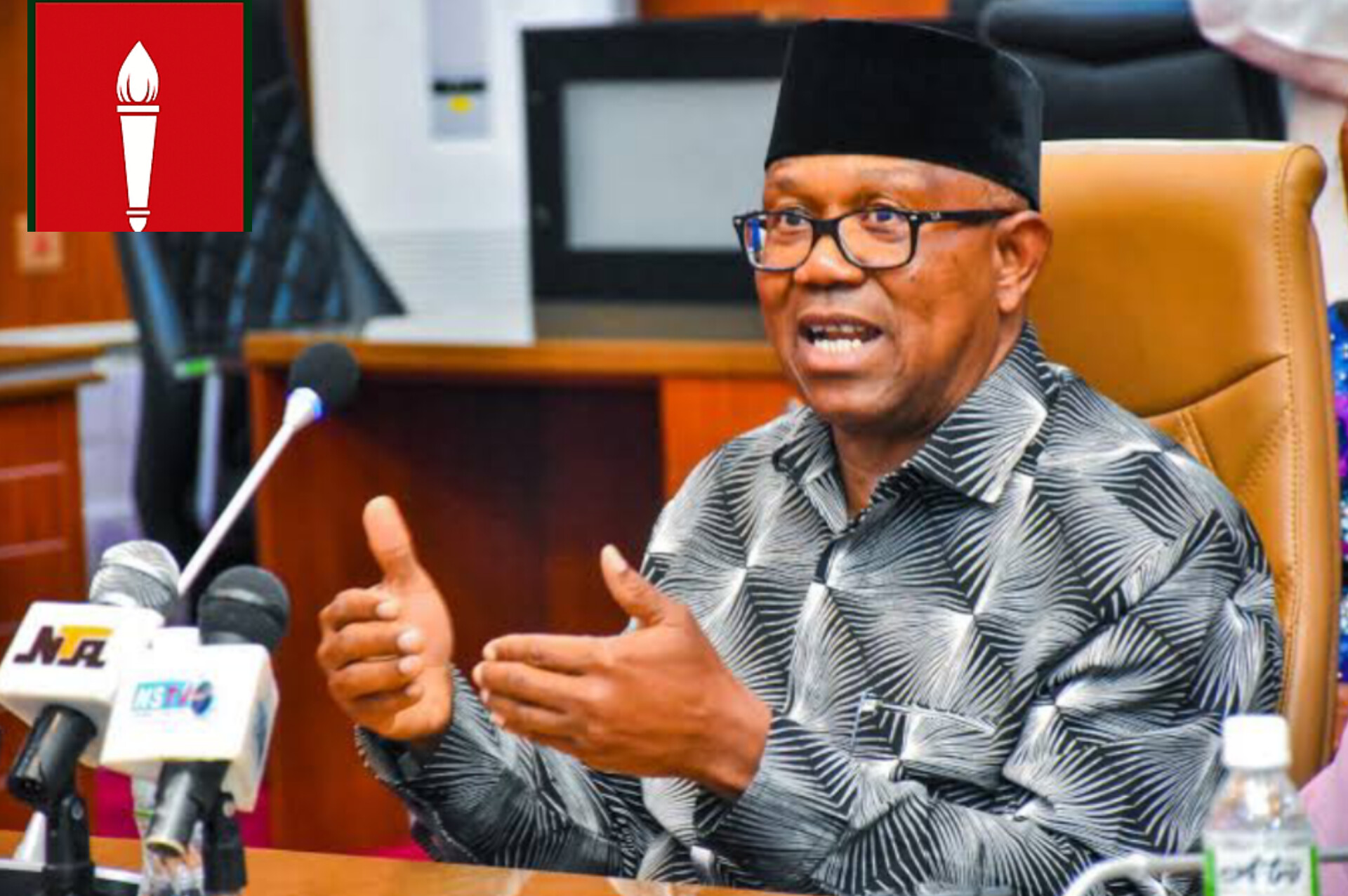
The 2027 presidential candidate of the Nigeria Democratic Congress (NDC), Peter Obi, has criticised the administration of President Bola Tinubu over what he described as excessive borrowing and a lack of transparency in the management of public finances.
Obi said Nigeria’s total public debt has climbed to about N200 trillion under the current administration, arguing that the pace of borrowing raises serious concerns about fiscal discipline and accountability.
In a statement posted on his X account on Tuesday, the former presidential candidate claimed the country’s debt stock had increased by more than N100 trillion within three years, contrasting it with the debt profile recorded during the administration of former President Muhammadu Buhari.
According to Obi, the growing debt burden has placed additional pressure on Nigerians already struggling with economic hardship, inflation and rising living costs.
He further alleged that government borrowing in the first three quarters of 2025 exceeded the budgeted target, questioning the utilisation of funds not reflected in capital expenditure.
Citing figures from the Budget Office, Obi said only a fraction of the borrowed funds was allocated to capital projects during the period under review, leaving unanswered questions about how the remaining funds were spent.
“The question Nigerians deserve an answer to is what happened to the balance,” Obi said, calling for greater transparency and accountability in public finance management.
The former Anambra governor argued that prudent fiscal management requires clear explanations whenever borrowing exceeds approved projections, adding that citizens have a right to know how public resources are deployed.
His comments come amid ongoing debates over Nigeria’s rising debt profile, with critics warning about the sustainability of increased borrowing, while supporters of the government maintain that loans are being used to fund critical infrastructure and development projects.
The Tinubu administration has defended its economic reforms, including fuel subsidy removal and foreign exchange market liberalisation, as necessary measures aimed at stabilising the economy and laying the foundation for long-term growth.
However, concerns persist over the impact of debt servicing obligations on government finances and the broader economy.


 Follow Us on Google Discover

2027: Support Tinubu as he supported Buhari, Yari urges Northerners

2027: ‘Tinubu will win, Atiku second, Obi third’ – Afegbua

FG signs N729bn bond to offset power sector debts

LASUTH Resident Doctors embark on indefinite strike over unpaid allowances

Show proof I left Anambra with debts, I’ll stop my 2027 campaign – Obi dares Soludo

‘I Don’t Want to Be Called Africa’s Richest Man Again’ — Dangote

600 Northern Lecturers who attended Tinubu endorsement show must be bared 2027 election duties – ADC warns INEC

BBNaija S11: Barry wins HoH title, becomes first finalist

Ondo students set 14-day deadline for Aiyedatiwa over ASUU strike

Nigeria, India target $15bn trade as Modi pushes for more crude imports

2027: Oba of Lagos backs Tinubu, says ‘ no vacancy in Aso Rock’

2027: NDC says Nigerians can fund party with contributions as low as N1,500

Banditry Allegation: ‘I have nothing to hide’ — Sen. Buba submits self to DSS, Police for probe

FG orders immediate release of funds to regional development commissions

El-Rufai’s former allies return to APC, endorse Uba Sani ahead of 2027

International Breweries Recruitment: 5 Job vacancies across Nigeria (How to Apply)

Food and Agriculture Organization Of the United Nations (FAO-UN) announces 4 recruitment vacancies across Nigeria (How to Apply)

2027 Elections: INEC publishes final list of 1,195 Senate, 3,213 Reps candidates (Full List)

2027: Over 600 Northern Lecturers endorse Tinubu’s re-election bid
2027: NDC says Nigerians can fund party with contributions as low as N1,500

Average Nigerian can survive on N3,000 daily, says Reno Omokri

15 feared killed as gunmen strike Plateau communities

Haaland scores as 10-man Man City beat Manchester United 1-0

Yamal double fires Barcelona to 4-2 victory over Levante

Hon. Desmond Elliot kneels down, begs Gbajabiamila for forgiveness

Tinubu’s FBI records are not evidence of criminal history, it won’t be released – Reno Omokri

BBNaija Season 11: Abi, Araga evicted from ‘Show Ya Sef’ House

Tinubu lands in Paris for second leg of holiday

Real Warri Pikin apologises after viral on-stage moment with Timaya (Video)
