
News
26.3 Million people living with HIV in Africa as South Africa, Nigeria ranks among top three – WHO

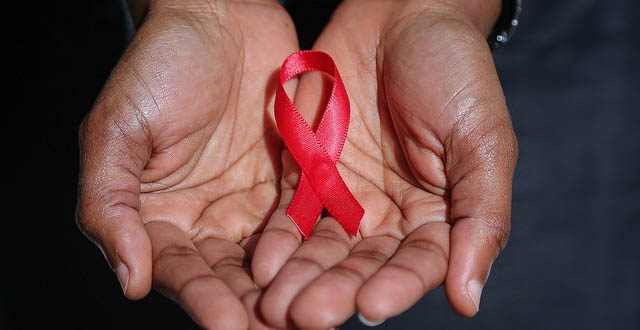
The World Health Organisation (WHO) has estimated that 26.3 million people are living with HIV across Africa in 2026, with 21.7 million currently receiving antiretroviral treatment.
The WHO Regional Director for Africa, Dr Mohamed Janabi, disclosed this on Monday in a message ahead of the 2026 World AIDS Day, which is observed annually on December 1.
Janabi said that although African countries had recorded progress in tackling the epidemic, millions of people across the continent still faced significant challenges in accessing HIV prevention, testing and treatment services.
He noted that new infections had declined in several countries, while access to lifesaving medication had improved. However, he warned that these gains could be undermined if barriers preventing people from receiving healthcare were not addressed.
According to him, the African Region continues to carry the heaviest burden of the HIV epidemic, making it necessary for governments to expand access to prevention, diagnosis, treatment and care.
The 2026 World AIDS Day theme, “Ending AIDS Starts with Access”, highlights the need to ensure that available medical interventions and scientific breakthroughs reach everyone who needs them.
Janabi explained that access to prevention services helps individuals protect themselves, while testing allows people to know their HIV status and seek medical attention early.
He added that consistent access to treatment enables people living with HIV to lead long and healthy lives, stressing that healthcare services must also protect patients’ privacy and dignity.
The WHO official identified long distances to health facilities, transportation costs, shortages of medicines, stigma, discriminatory laws and gender inequalities as major obstacles to accessing HIV services.
He warned that these challenges could lead to undetected infections, delayed treatment and missed opportunities to prevent further transmission.
Janabi said several African countries were strengthening their HIV response through community-based healthcare programmes, integration of HIV services into primary healthcare facilities and improved methods of delivering treatment.
He also noted that countries were preparing to introduce new HIV prevention tools, but stressed that such interventions must be affordable and accessible, particularly to underserved communities.
Looking ahead to 2030, he urged African governments to sustain investments in HIV prevention, testing, treatment and care to accelerate efforts to end AIDS as a public health threat.
He equally called on development partners to support countries in making emerging prevention technologies widely available.
Janabi further emphasised the importance of involving people living with HIV in decisions about healthcare delivery, saying their experiences should guide policies and programmes.
He urged governments and other stakeholders to sustain the progress recorded so far and ensure that everyone can access timely diagnosis, appropriate treatment and essential healthcare without discrimination.


 Follow Us on Google Discover




BREAKING: Ex-Assembly member, three others killed as thugs attack NDC supporter in Ughelli, Delta State

2027: APC will win three South-East states, Obi may wake Abia, Anambra – Bwala

Tinubu donates ₦250m to families of Bayelsa boat accident victims

FIFA President Infantino lists stadiums, airports, transport as obstacles to Nigeria hosting World Cup

NVIDIA board reverses decision, reinstates Jensen Huang as CEO

2027: NDC breaks silence on alleged rift with Peter Obi over campaign funds

26.3 Million people living with HIV in Africa as South Africa, Nigeria ranks among top three – WHO

Obi brought religious politics to Nigeria, now, churches have stopped inviting him – Daniel Bwala

2027: Julius Abure, Labour Party faction back Tinubu’s re-election bid

How Kwankwaso made me swear on Qur’an over planned APC defection – Gov Yusuf

2027: Protest rocks Abuja as youths demand INEC accountability

Extreme heat is rewriting the farming calendar in Gwagwalada

2027: Tinubu directs APC leaders to reconcile aggrieved members

If you register with ADC, we can offer you presidential campaign DG – Nafiu tells Atiku

‘No turning back on Lagos-Calabar coastal highway’ – Umahi insists

2027: Atiku’s Support Groups dump ADC, endorse Obi, Kwankwaso

‘Buhari rescued my business at its lowest point’ – BUA chairman Abdul Samad Rabiu reveals

2027: Tinubu throws weight behind Alli, Yayi, Hamzat at APC rally in Ibadan

Several soldiers feared dead as military vehicle crash in Yobe

Jimmy Odukoya sues sister, church trustees over removal as Fountain of Life senior pastor

Millions lost as fire razes goods at Yobe market
‘We love you’ – Fountain of Life congregation cheers Jimmy Odukoya during Sunday service

Tragedy as school building collapses in Abia, kills pupil

Arsenal suffer double blow as Newcastle fight back to secure 2-2 draw

‘You can’t be touching me’ – Foreign tourist accuses Emir of Daura of sexual assault during palace visit

‘Water went off while I was shaving, no light, no water’ — Tinubu speaks on challenges in Aso Rock

Cross River APC calls off Nov 26 campaign kick-off, sets new date

Suspected Kogi-fortified thugs attack ADC members, destroy Woke’s house in Rivers
Extreme heat is rewriting the farming calendar in Gwagwalada
