
News
HIV fight under threat as Nigeria records sharp decline in Condom distribution – UNAIDS

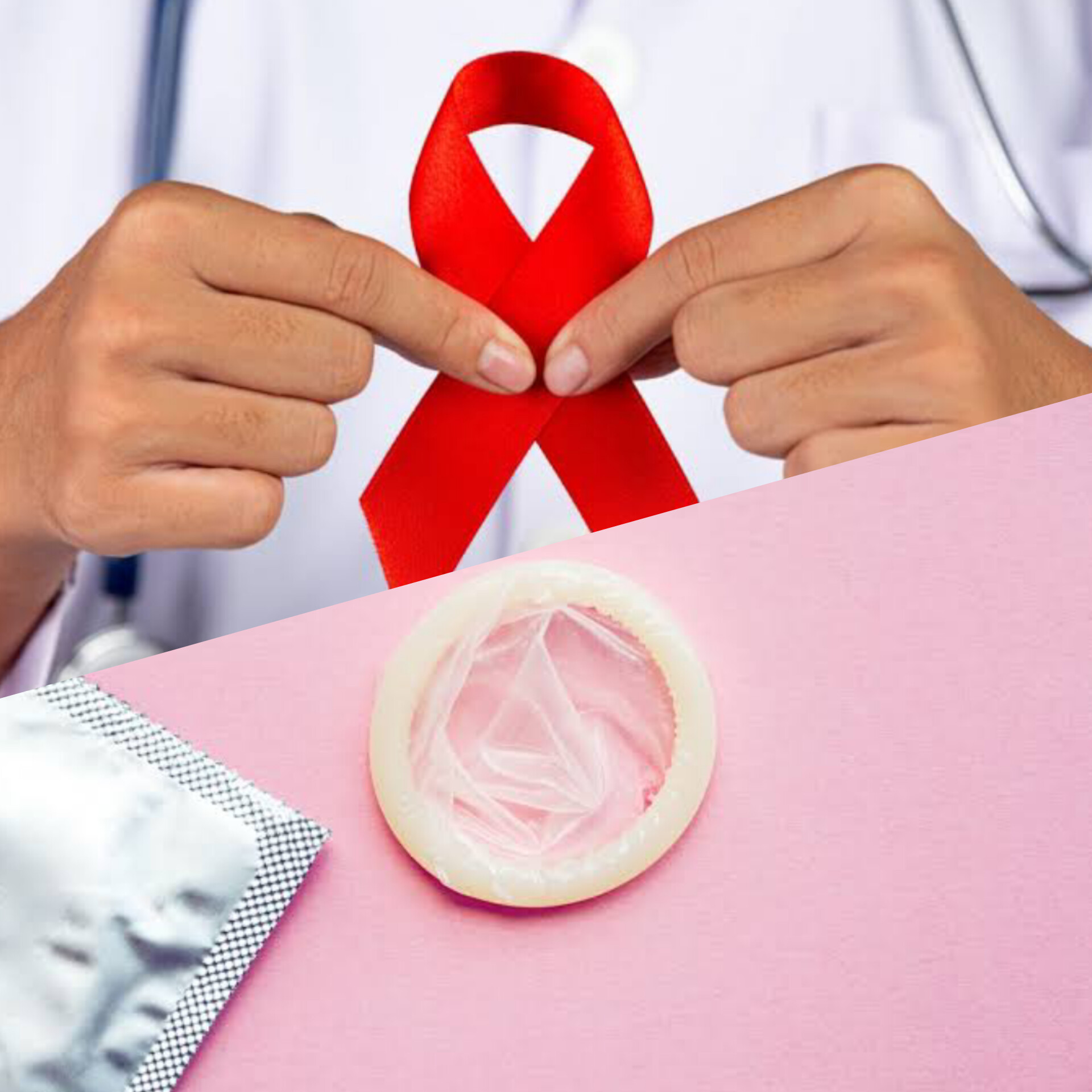
The Joint United Nations Programme on HIV/AIDS (UNAIDS) has revealed that condom distribution in Nigeria fell by 55 per cent over the past year, raising concerns about the country’s HIV prevention efforts.
Launching its 2025 World AIDS Day report titled Overcoming Disruption, Transforming the AIDS Response, UNAIDS said the global fight against HIV is experiencing its worst setback in decades.
The agency reported major disruptions to HIV prevention, testing, and community-led programmes across several countries, noting that fewer people are being newly initiated on treatment.
According to UNAIDS, about 450,000 women in sub-Saharan Africa have lost access to “mother mentors,” trusted community workers who link them to care.
The agency attributed the disruptions to abrupt funding cuts and worsening human rights environments in affected regions.
“The funding crisis has exposed the fragility of the progress we fought so hard to achieve,” said Winnie Byanyima, Executive Director of UNAIDS, speaking in Geneva.
“Behind every data point in this report are people, babies missed for HIV screening, young women cut off from prevention support, and communities suddenly left without services. We cannot abandon them.”
The report highlighted that adolescent girls and young women remain particularly vulnerable, with 570 new HIV infections occurring daily among those aged 15 to 24.
UNAIDS warned that dismantled prevention programmes and strained community-led organisations have worsened the situation, noting that more than 60 per cent of women-led organisations have suspended essential services.
Modelling by UNAIDS suggests that failure to restore prevention programmes could result in an additional 3.3 million new HIV infections globally between 2025 and 2030.
The agency also noted a sharp decline in international assistance, with OECD projections indicating a 30–40 per cent drop in external health funding in 2025 compared with 2023.
UNAIDS called on world leaders to reaffirm global solidarity and multilateral commitments, including those made at the recent G20 Leaders’ Summit in South Africa.
The agency urged sustained and increased funding for HIV prevention and treatment, investment in innovative solutions like affordable long-acting prevention, and strengthened protection of human rights while empowering local communities.


 Follow Us on Google Discover





I fear APC’s internal crisis more than Atiku – Shettima

Why Shettima Insults Atiku: by Farooq Kperogi

Messi’s double fires Inter Miami to 3-1 victory over Atlanta United

Opposition will front a single candidate against Tinubu, announcement will be made few days to election – Lukman

La Liga: Unstoppable Barcelona beat Real Betis 5-2 to extend winning run

EPL: Super Eagles star Iwobi fires Fulham to first league victory

Ogun hospital under fire as Nurse dies of asthma attack amid alleged oxygen failure

Maryam Babangida Center for Women Devt gets first wheel chair ramp after 34 years

Shettima inaugurates Arewa for Asiwaju campaign office in Abuja

2027: ‘APM will beat Tinubu in 12 battleground states’ – Makinde’s campaign team

Veteran Journalist, diplomat Dele Cole dies at 86

Suspended NSCDC commandant apologises over deaths of suspected illegal miners in Niger

EPL: Martinez rushed to hospital after head injury as Chelsea beat Everton

COAS arrives Borno as Military moves to clear terrorist camps, rescue abductees

Macky Sall quits race for UN Secretary-General position

Erisco Foods announces 13 job openings across Nigeria – Apply Now

2027: Step down if you are not working for Tinubu – Deji Adeyanju dares Obi, Kwankwaso

House Officers, Nurses, Radiographers, Others wanted as DELSUTH opens recruitment – Apply Now

Tinubu reappoints Bala Bila as INEC commissioner, nominates six others

2027: Kwankwaso a goat in sheep’s clothing, secretly working for Tinubu – Atiku Campaign Council

33 Governors cannot be wrong in supporting Tinubu – Bayo Onanuga

Security forces arrest five suspects over abduction of 20 NYSC members in Imo

Atiku fully fit, ready to campaign in all 36 states, interact with Nigerians – ADC PCC

2027: ‘Don’t trust your destiny to ‘kalokalo’ people’ – Wike warns Rivers voters against Atiku, Amaechi, Obi

LAUTECH Resident Doctors halt 50-day strike as Makinde intervenes

2027: ‘I wont join my Uncle to support Tinubu’ – Davido says

BREAKING: Oyebanji makes history as first Ekiti Governor to win second consecutive term

DSS arrests Maina’s fugitive son in Abuja, hands him over to EFCC

2027: Tinubu afraid to face Nigerians, has no business seeking re-election — Atiku campaign council