World
Trump declares two-week ceasefire as Iran reopens key oil route

After over a month of tension that rattled global energy markets, Iran has agreed to reopen the strategically critical Strait of Hormuz under a conditional ceasefire arrangement.
The development follows a temporary peace deal brokered by Shehbaz Sharif, with backing from the United States, bringing a pause to hostilities that had threatened global oil supply chains.
Stretching approximately 167 kilometres, the Strait of Hormuz remains one of the world’s most vital maritime chokepoints, handling about 20 per cent of global liquefied natural gas and 25 per cent of seaborne oil trade annually. Its closure had triggered sharp increases in fuel prices worldwide.
In a statement, Iran’s Foreign Minister, Abbas Araghchi, confirmed that the country would allow “safe passage” through the waterway for a period of two weeks, subject to coordination with Iranian armed forces and technical considerations.
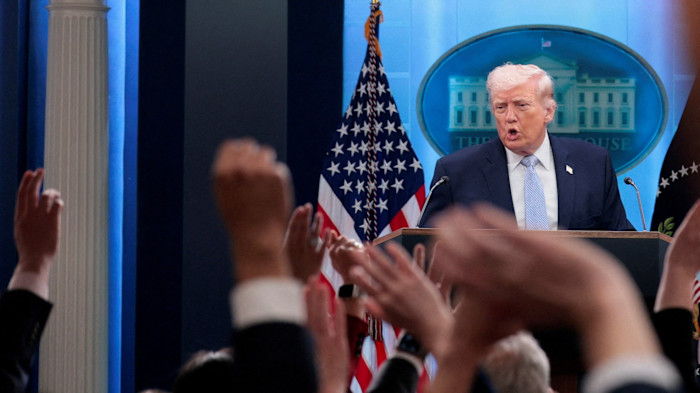
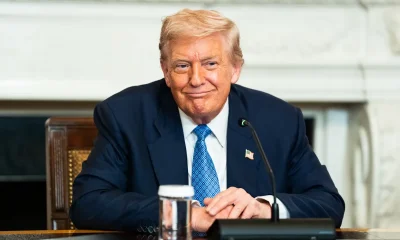
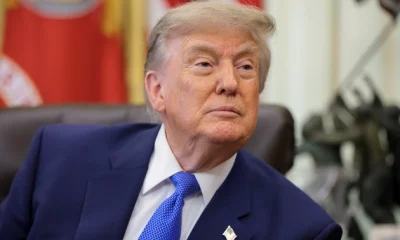
The agreement came after Donald Trump announced a two-week ceasefire, stepping back from planned military action and setting a deadline for Iran to reopen the strait. Trump had earlier warned of severe consequences if the blockade persisted.
Iran, however, maintained that its decision to suspend “defensive operations” was conditional on a halt to attacks from both the United States and Israel.
“If attacks against Iran are halted, our powerful armed forces will cease their defensive operations,” Araghchi stated.
Despite the breakthrough, Iran’s Supreme National Security Council stressed that the ceasefire does not signify the end of the conflict, noting that a lasting resolution depends on the acceptance of a proposed 10-point framework currently under negotiation.
Meanwhile, Trump, in a social media post, described the agreement as a “double-sided ceasefire,” expressing optimism that it could pave the way for long-term peace in the Middle East. He credited discussions with Pakistan’s leadership, including Prime Minister Sharif and military officials, for facilitating the de-escalation.
As of press time, Israel had yet to issue an official response to the ceasefire arrangement.
Formal negotiations are scheduled to begin in Islamabad on April 10, with stakeholders aiming to finalise a comprehensive peace agreement.
The reopening of the Strait is expected to ease pressure on global energy markets, though analysts warn that the fragile truce leaves room for uncertainty.


 Follow Us on Google Discover






BREAKING: Air Force publishes names of 25 victims killed in Ondo aircraft crash (Full list)

Trump approves firing squad execution for Fort Hood shooter Nidal Hasan

2027: ‘Everything I do now is about Tinubu’s re-election, I think of it when I eat, sleep’ – Wike

2027: Wike mocks Atiku-Amaechi ticket, calls it ‘joint ticket of corruption’

2027: Chinda, Duke, Omo-Agege, others in limbo as INEC reviews Supreme Court verdict

Insecurity: Tinubu hold crucial meeting with defence Minister Musa in Lagos

Military aircraft crash: Tinubu declares three-day national mourning

Nigeria vs Russia: Date, time, venue where to stream

2027: 58 deregistered parties back Tinubu, Sokoto gov Aliyu

SSANU threatens University shutdown over unpaid arrears, gives FG 14 days deadline

Niger tragedy: Shettima announces N250m support for families dead miners

JAMB to establish UTME Centre in Canada for Nigerians in North America from 2027

Rivers govt shut down 21 health facilities over alleged child trafficking

Abiy Ahmed reappointed Prime Minister of Ethiopia
BREAKING: 32 persons were on board says FG, as NAF confirms ownership of crashed aircraft

BREAKING: Many feared dead as suspected Military Helicopter crashes in Ondo
BREAKING: 32 persons were on board says FG, as NAF confirms ownership of crashed aircraft

Tinubu meets Uzodinma in Lagos amid rift with Wike’s Rainbow Coalition – Details Emerge

Nine Zamfara lawmakers join ADC after dumping APC

2027: ‘He betrayed APGA’ – Anambra govt tells electorate to reject Obi, NDC

‘I warned El-Rufai to go on exile or they would jail him’ — Buba Galadima

JUST IN: Kidnappers torture 20 corps members, demand N5m ransom each

2027: Anxiety mounts as INEC awaits Supreme Court judgment on party membership rules

BREAKING: 8 Zamfara Assembly members dump APC

BREAKING: Temi Nkem wins BBNaija Season 11 ‘Show Ya Sef’

2027: PDP begins Anambra South campaign, vows to reclaim senate seat

Meet Temi Nkem, winner of BBnaija season 11

‘Tinubu saved Nigeria from economic collapse, be generous to him’ – VP Shettima

BREAKING: Security Forces kill suspected ISWAP leader planning attacks in Southern Nigeria