National News
N15.8tn Fuel Subsidy Savings: Tinubu govt explains how the money was spent

The Federal Government has disclosed how the N15.8 trillion saved from the removal of petrol subsidy was distributed among the three tiers of government over the past three years.
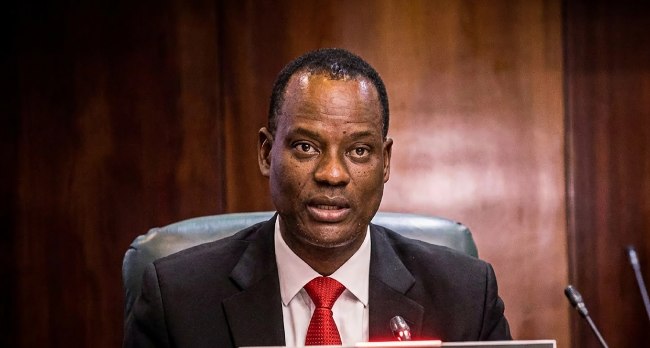
The Minister of Finance and Coordinating Minister of the Economy, Taiwo Oyedele, made the disclosure at a press conference on Wednesday, outlining the financial impact of the Bola Tinubu administration’s economic reforms.
According to Oyedele, the subsidy removal savings accrued to the Federation Account and were subsequently shared among the Federal Government, state governments and local governments.
He said the Federal Government received N5.43 trillion, states received N6.52 trillion, while local governments received N3.88 trillion.
The minister explained that, beyond the subsidy savings, the reforms generated an additional N3.12 trillion in incremental revenue, while the government also recorded N11.85 trillion in incremental borrowing.
This, he said, brought the Federal Government’s total incremental resources during the period to approximately N20.4 trillion.
However, Oyedele stressed that the subsidy removal did not result in a huge pool of surplus cash available to the Federal Government, noting that the administration also incurred substantial additional expenditures during the same period.
“Subsidy removal therefore did not create one large pool of cash available to the Federal Government. It reduced a major fiscal burden and the amount of additional borrowing that would otherwise have been required,” he said.
According to him, the government’s additional expenditure during the period amounted to approximately N30.64 trillion.
He said N9.39 trillion was spent on wage adjustments, while N9.37 trillion went towards external debt servicing.
The government also spent N6.47 trillion on infrastructure and N3.14 trillion on electricity subsidies, according to the minister.
Oyedele’s disclosure comes more than three years after President Tinubu announced the removal of the petrol subsidy shortly after assuming office in May 2023.
The government subsequently introduced other major economic reforms, including the liberalisation of the foreign exchange market.
The reforms triggered significant increases in petrol prices and contributed to substantial fluctuations in the value of the naira, while the administration has continued to argue that they were necessary to reduce fiscal pressures and place the economy on a more sustainable footing.
The latest figures provide a breakdown of the financial resources generated or made available following the reforms, while also highlighting the scale of additional expenditure incurred by the Federal Government during the same period.


 Follow Us on Google Discover





Insecurity: Tinubu hold crucial meeting with defence Minister Musa in Lagos

Military aircraft crash: Tinubu declares three-day national mourning

Nigeria vs Russia: Date, time, venue where to stream

2027: 58 deregistered parties back Tinubu, Sokoto gov Aliyu

SSANU threatens University shutdown over unpaid arrears, gives FG 14 days deadline

Niger tragedy: Shettima announces N250m support for families dead miners

JAMB to establish UTME Centre in Canada for Nigerians in North America from 2027

Rivers govt shut down 21 health facilities over alleged child trafficking

Abiy Ahmed reappointed Prime Minister of Ethiopia

BREAKING: 32 persons were on board says FG, as NAF confirms ownership of crashed aircraft

2027: INEC to begin PVC distribution October 8

Shettima arrives Niger, visits families of NSCDC custodial death victims

2027: ‘He betrayed APGA’ – Anambra govt tells electorate to reject Obi, NDC

Ondo APC names 228-member campaign council for Tinubu’s 2027 re-election

BREAKING: Many feared dead as suspected Military Helicopter crashes in Ondo
BREAKING: Many feared dead as suspected Military Helicopter crashes in Ondo
BREAKING: 32 persons were on board says FG, as NAF confirms ownership of crashed aircraft

Tinubu meets Uzodinma in Lagos amid rift with Wike’s Rainbow Coalition – Details Emerge

‘I warned El-Rufai to go on exile or they would jail him’ — Buba Galadima

Nine Zamfara lawmakers join ADC after dumping APC

JUST IN: Kidnappers torture 20 corps members, demand N5m ransom each
2027: ‘He betrayed APGA’ – Anambra govt tells electorate to reject Obi, NDC

Panic as fuel tanker catches fire, destroys shops, vehicles in Cross River

2027: Anxiety mounts as INEC awaits Supreme Court judgment on party membership rules

BREAKING: 8 Zamfara Assembly members dump APC

BREAKING: Temi Nkem wins BBNaija Season 11 ‘Show Ya Sef’

2027: PDP begins Anambra South campaign, vows to reclaim senate seat

‘Tinubu saved Nigeria from economic collapse, be generous to him’ – VP Shettima

Meet Temi Nkem, winner of BBnaija season 11
