
National News
NCDC approves ₦100,000 weekly support for people isolated over Ebola concerns

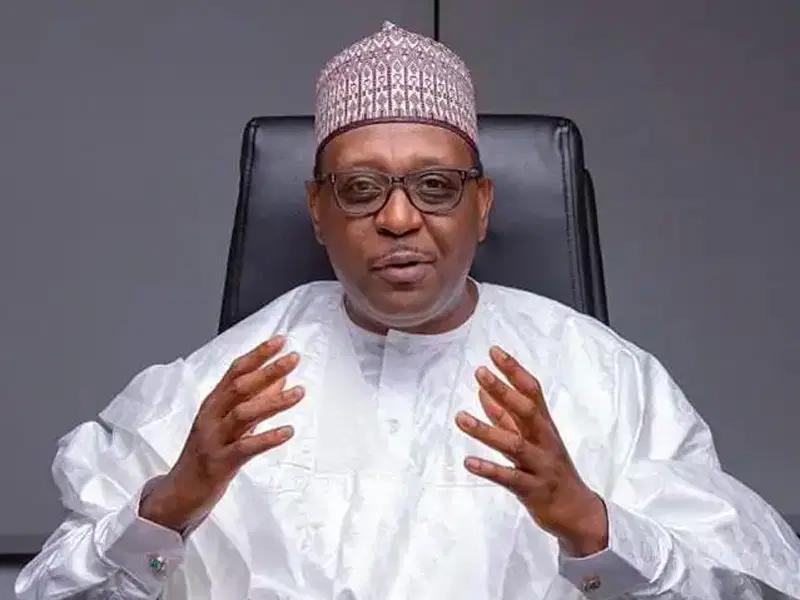
The Nigeria Centre for Disease Control and Prevention (NCDC) has approved an emergency payment of ₦100,000 per person weekly for individuals placed in isolation or quarantine as part of efforts to contain the reported Ebola outbreak in the Federal Capital Territory (FCT).
The agency’s Director-General, Dr Jide Idris, disclosed this during a press briefing in Abuja on Sunday, explaining that the financial support was introduced after some individuals identified as contacts raised concerns about the cost of feeding, accommodation and maintaining their families during mandatory public health monitoring.
According to Idris, the intervention is intended to ease their financial burden and encourage cooperation with health authorities carrying out contact tracing and surveillance.
“We are paying for their accommodation; we are paying for their feeding. Some of them are asking for a stipend to maintain their families,” he said.
He added, “We are providing ₦100,000 per person per week just to maintain their comfort and feeding, because they were complaining.”
Idris described the payment as an emergency measure that was not included in the NCDC’s original response plan but had become necessary under the circumstances.
“This was not planned for, but it is an emergency. We will continue to review it as we go along,” he said.
The NCDC chief also called on state governments to make adequate financial and logistical provisions for public health emergencies, warning that the responsibility for responding to outbreaks should not rest solely on the FCT or the Federal Government.
“This is not the responsibility of the FCT alone. What we have to do for the FCT, we have to do for any other state, just in case,” Idris said.
He explained that state authorities must be prepared to provide the funding, personnel and materials required for contact tracing, isolation and other emergency response activities within their jurisdictions.
NCDC Intensifies Contact Tracing
The announcement comes amid heightened surveillance following the reported confirmation of an imported Ebola case in Abuja on October 20.
According to figures attributed to Idris at the briefing, 53 primary contacts had been identified for monitoring. They reportedly included healthcare workers, household members, domestic staff and personnel involved in collecting samples from the patient.
The NCDC said public health teams were assessing contacts according to their levels of exposure and conducting follow-up checks. Anyone who develops symptoms is to be promptly assessed and tested.
Idris also disclosed that a contact who reported feeling unwell had tested negative, while surveillance and follow-up activities remained ongoing.
The agency said individuals requiring isolation were being accommodated under established arrangements, with monitoring continuing for 21 days after their last possible exposure.
Other response measures include strengthening infection prevention and control in healthcare facilities, training health personnel and supporting the availability of protective equipment and laboratory supplies.
Authorities Urge Public Cooperation
The reported case involves a woman who travelled to Nigeria from Uganda and tested positive for the Bundibugyo strain of the Ebola virus.
The account provided by the health authorities states that she developed symptoms on October 7, sought medical attention in Abuja on October 11 and tested positive on October 20.
The World Health Organisation has reportedly classified the infection as an imported case, while investigations continue into the likely source of exposure.
The reported regional outbreak has also raised concerns about cross-border surveillance and the need for rapid case identification, effective contact tracing and coordinated public health responses.
Nigeria is drawing on lessons from its successful containment of the 2014 Ebola outbreak, when coordinated case identification, isolation, contact tracing and other public health measures helped prevent widespread transmission.
Idris said the NCDC was strengthening preparedness across states and emphasised that containing the outbreak would require cooperation among government agencies, healthcare workers, individuals identified as contacts and the wider public.
He urged Nigerians to rely on verified information, avoid spreading rumours and cooperate with public health officials conducting contact tracing and monitoring.


 Follow Us on Google Discover








BREAKING: NDC unveils 2027 National Campaign Council, names Babachir Lawal, Galadima to key roles (Full List)

NCDC approves ₦100,000 weekly support for people isolated over Ebola concerns

FG allocates N38.93bn to 166 tertiary institutions

Premier League: Isak scores again as Liverpool beat Brighton 2-0 at Anfield

EPL: Man United woes deepens after 3-0 defeat to Bournemouth at Old Trafford

BREAKING: NCDC identifies two additional suspected Ebola cases, tracks 53 primary contacts

Real Madrid’s Courtois ruled out of El Clasico against Barcelona with illness

2026 Ballon d’Or: Date, time, venue, streaming details revealed

NDLEA apprehend Nigerian-American grandmother, South African woman with drugs at Lagos Airport

Blessing CEO regains freedom after four months in prison

Woman killed, two injured as gunmen attack groundnut farmers in Plateau

Troops storm bandits’ hideout, rescue three kidnap victims in Kebbi

2027: Sowore accuses Peter Obi of ‘renting’ NDC for election, criticizes party

2027: ‘I support Tinubu’ – Iyabo Obasanjo states position after Very Nigerian story

2027: Atiku is North’s No. 1 enemy for running against Tinubu — George Akume
BREAKING: NDC unveils 2027 National Campaign Council, names Babachir Lawal, Galadima to key roles (Full List)

Crowd shouts ‘Ba Ma Yi’ as Tinubu takes podium at APC campaign flag-Off in Kaduna
2027: ‘I support Tinubu’ – Iyabo Obasanjo states position after Very Nigerian story

“They created hunger, poverty” — Tinubu tackles, Atiku, Obi, opposition in Kaduna

Atiku dares Tinubu to name ministers, appointees involved in alleged bribery

Flamingos beat North Korea 3-1 to reach U-17 WWC knockout stage

Anambra woman allegedly killed by ex-boyfriend after breakup

Peter Obi, Dickson, Babachir Lawal meet as NDC prepares for 2027 Campaign Council

FCC accuses Customs of bypassing federal character, demands suspension of recruitment training
Blessing CEO regains freedom after four months in prison

Police Corporal allegedly shoots girlfriend dead, commits suicide in Kogi

APC accuses Atiku, ADC of plotting AI deepfakes to discredit Kaduna campaign rally

JUST IN: Tinubu arrives Kaduna for APC 2027 presidential campaign flag-off

2026 U-17 WWC: Flamingos set to face Mexico, Chile or Australia in round of 16
