News
Reps move to tighten rules on electric, CNG vehicle imports in Nigeria

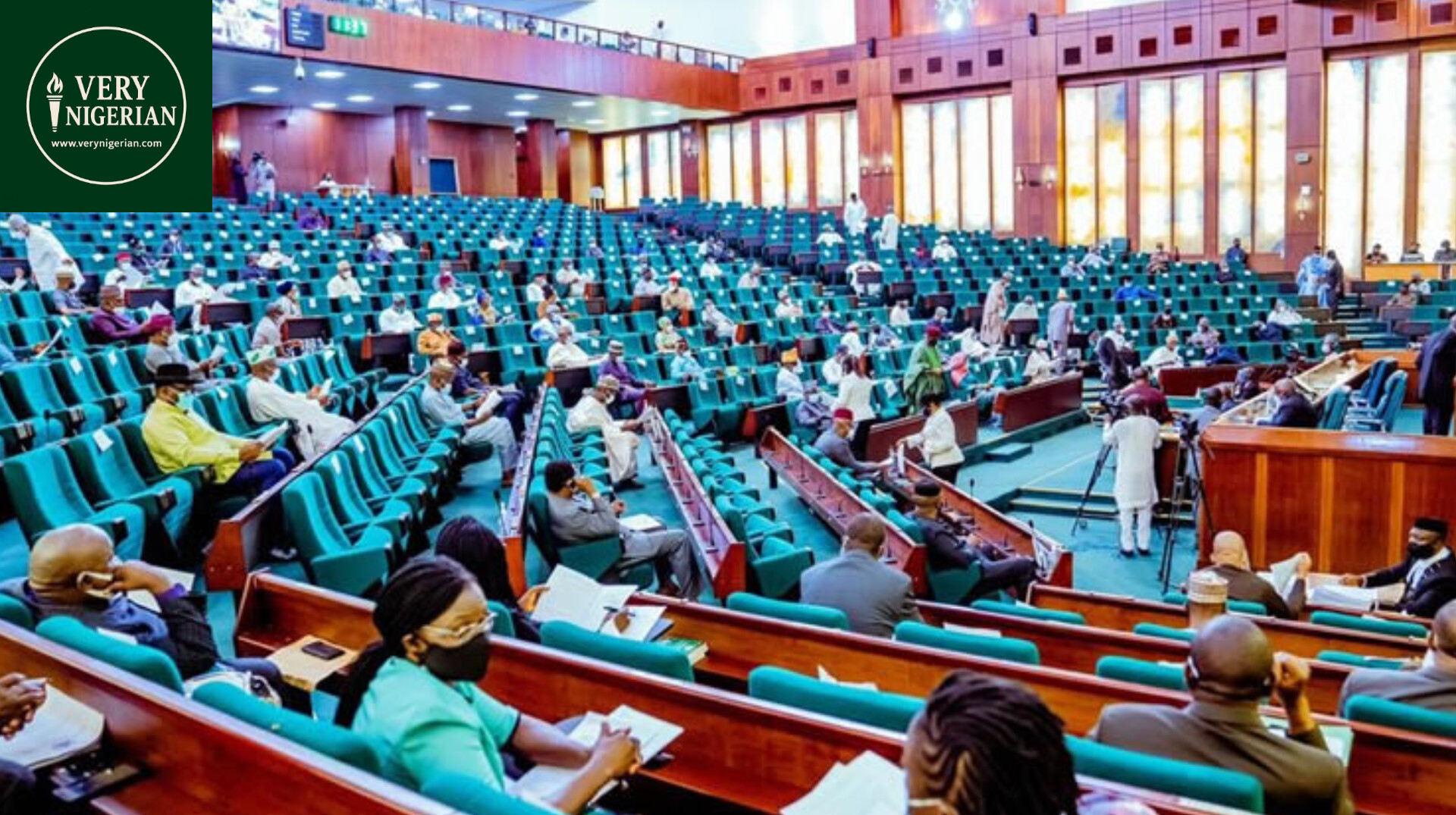
The House of Representatives has called for stricter regulations on the importation of electric vehicles (EVs), compressed natural gas (CNG) vehicles and related equipment into Nigeria.
The lawmakers proposed making it mandatory for importers to establish local maintenance centres, provide genuine spare parts and ensure adequate after-sales support for customers.
They also urged the Federal Government to introduce a transparent licensing system for companies importing alternative-fuel vehicles to prevent Nigeria from becoming a dumping ground for vehicles lacking proper technical support and safety standards.
The resolution followed a motion sponsored by Rep. Ademorin Kuye during Wednesday’s plenary.
During the session, lawmakers expressed concerns about consumer protection, vehicle safety, local investment and Nigeria’s preparedness for the growing adoption of cleaner transportation technologies.
They stressed the need for appropriate regulations to ensure that the increasing use of electric and CNG-powered vehicles is supported by adequate maintenance services, reliable spare parts and necessary safety measures.
Under the proposed framework, the National Automotive Design and Development Council (NADDC), in collaboration with the Bureau of Public Procurement, Standards Organisation of Nigeria, Nigeria Customs Service and other relevant agencies, would develop clear criteria for approving importers.
Companies seeking approval could be required to establish certified service and maintenance centres in Nigeria, provide genuine spare parts and warranty support, and employ and train qualified Nigerian technicians.
Other proposed conditions include investment in electric-vehicle charging stations or CNG refuelling facilities, compliance with national safety and environmental standards, and submission of consumer protection and after-sales service plans.
The House also proposed a public register of approved importers and infrastructure providers to promote transparency and protect consumers.
It stressed that the licensing process should be open, competitive and non-discriminatory, allowing all companies that meet the prescribed requirements to obtain approval.
The lawmakers further called for tax incentives, import duty concessions and other fiscal benefits to be tied to compliance with the proposed framework to encourage investment in local infrastructure and technical capacity.
Contributing to the debate, Rep. Dominic Okafor warned against allowing Nigeria to become a dumping ground for vehicles manufactured without adequate consideration for the needs of developing countries.
He said importers must demonstrate their capacity to maintain the vehicles they bring into the country and provide adequate support to consumers after purchase.
“It’s very important to see that all the players in this motion are dressed seriously, so that Nigeria is not made a dumping ground,” Okafor said.
He observed that some manufacturers produce different categories of vehicles for Western markets and developing countries, including Nigeria, stressing the need for safeguards to ensure that imported vehicles meet local requirements.
Okafor said electric vehicles required sustained technical support, access to spare parts and maintenance facilities, unlike products consumed immediately after purchase.
“Electric vehicles are not a one-sell product,” he said, adding that the absence of maintenance centres could leave consumers stranded and expose them to avoidable costs.
The lawmaker also raised safety concerns over CNG-powered vehicles and trucks, arguing that companies should not be permitted to import them commercially without adequate facilities and technical safeguards.
“Efforts should be made that whoever that importer is issued to has some of these facilities, not just in it as a trading activity,” he added.
Similarly, Rep. Kalejaiye Adeboye Paul supported the proposal, saying local maintenance and repair facilities were essential to sustaining Nigeria’s transition to alternative-fuel transportation.
He noted that state governments were increasingly embracing the programme, making it necessary to prepare for the long-term implications of importing vehicles without building domestic technical capacity.
“But I think that establishing their own centre here in Nigeria for maintenance and repairs is very essential. It has to be a condition for which we can continue to embrace this,” Paul said.
He warned that Nigeria’s limited capacity to manufacture or assemble the vehicles could create challenges as adoption increased.
“We are not manufacturing here. We are not assembling here. And we do not have what it takes to keep this going,” he said.
He warned that Nigeria’s limited capacity to manufacture or assemble the vehicles could create challenges as adoption increased.
“We are not manufacturing here. We are not assembling here. And we do not have what it takes to keep this going,” he said.
Paul added that the consequences of operating the vehicles without adequate maintenance infrastructure might become more evident over time, urging lawmakers to support the proposed safeguards in the interest of consumers and the country.
Rep. Stanley Olajide described the motion as timely, citing global concerns over greenhouse gas emissions and climate change.
He said a properly regulated transition to cleaner transportation would enable Nigeria to contribute to environmental protection while advancing its development priorities.
“I believe having this framework will not only be responsible as a nation, it will also help us toward the line of having an environment-friendly system where we can actually say we are contributing to the right cause in the world,” Olajide said.
Rep. Sada Soli also backed the proposal, arguing that a clear legal framework was needed to support the Federal Government’s clean transportation policy.
Soli recalled that the government had announced fiscal incentives for CNG and certain categories of electric vehicles, saying legislation would help establish clear rules for implementing the policy.
“What is lacking in this policy is the legal aspect of it,” he said, urging the sponsor to develop the proposal into a bill to provide a comprehensive legal framework for regulating the sector.
Soli identified environmental protection, lower transportation costs and employment generation as potential benefits of a well-managed transition to alternative-fuel vehicles.
He also argued that the adoption of new transportation technologies could create opportunities for jobs and income generation if supported by appropriate policies and infrastructure.
The lawmaker urged the sponsor to take the proposal further, saying the National Assembly should play an active role in establishing the legal framework rather than leaving the responsibility entirely to the executive.
“We should not surrender it to the government because the government has built on this policy,” Soli said.
The House unanimously adopted the motion and mandated its Committees on Industry, Commerce, Gas Resources, Environment and Legislative Compliance to monitor implementation and report back within four weeks for further legislative action.
Following the debate, Speaker Tajudeen Abbas said the motion had received support and encouraged the sponsor to provide additional details on how the proposed policy would operate.


 Follow Us on Google Discover

APC state youth leaders deny receiving SUVs from Dayo Israel

37 miners’ deaths: Presidential panel blames extreme heat, overcrowding in NSCDC custody

2027: Court reserves judgment in SDP suit challenging INEC over Adebayo’s candidacy

BREAKING: Tinubu seeks Senate approval for $20.51bn, €1.045bn external borrowing

Troops repel terrorists, recover two AK-47 rifles in Benue

Reps move to tighten rules on electric, CNG vehicle imports in Nigeria

Troops kill 8 suspected terrorists, rescue 3 kidnap victims in Katsina, Kaduna, Zamfara

Tinubu seeks National Assembly approval to settle N269.44bn outstanding debts

Atiku returns to Nigeria from overseas trip, set to lead ADC campaign across all 36 states

‘Tinubu must go, he lacks capacity, energy to govern Nigeria’ – Peter Obi

2027: Withdraw from Presidential race, back Tinubu – Kaduna APC tells Atiku

Newborn, parents cheat death as fire destroys buildings in Kwara

Kalu: Tinubu approves 500,000 solar lights for South-East communities

DSS charges Kaduna man over fake Tinubu letter to US president

‘I won’t steal Nigeria’s money, wont allow anyone steal’ — Obi

BREAKING: NDC unveils 2027 National Campaign Council, names Babachir Lawal, Galadima to key roles (Full List)

US Pastor marries second wife, describes monogamy as unbiblical

BREAKING: NCDC identifies two additional suspected Ebola cases, tracks 53 primary contacts

FIFA U-17 Women’s World Cup: Round of 16 fixtures, dates, kick-off times revealed

‘Ebola may force postponement of 2027 elections’ – NCDC

Outrage as viral video shows JIBWIS members demanding AK-47s, threaten to kill ‘Infidels’ in Enugu, Jos on a Sunday

Why data may be used even when mobile data is switched off – MTN

Lone Ebola patient to be flown out of Nigeria for further treatment
Reaction trails as APC youth leader Dayo Israel gifts 2026 Toyota Prado SUVs to party officials

NCDC approves ₦100,000 weekly support for people isolated over Ebola concerns

“I know what I came into office to do” — President Tinubu

Bandits storm Kaduna community, abduct two farmers

INEC bows to pressure, makes preliminary Voters’ Register available online for public inspection

Burna Boy presents Socrates Award to Bukayo Saka at 2026 Ballon d’Or ceremony
