
News
How Nigerian Govt allegedly paid N2 Billion ransom to Boko Haram for St Mary’s pupils – Report
The money was reportedly flown by helicopter to Boko Haram’s stronghold in Gwoza, Borno State, and delivered to militant commander Ali Ngulde, who had to cross into Cameroon to confirm receipt due to network issues.

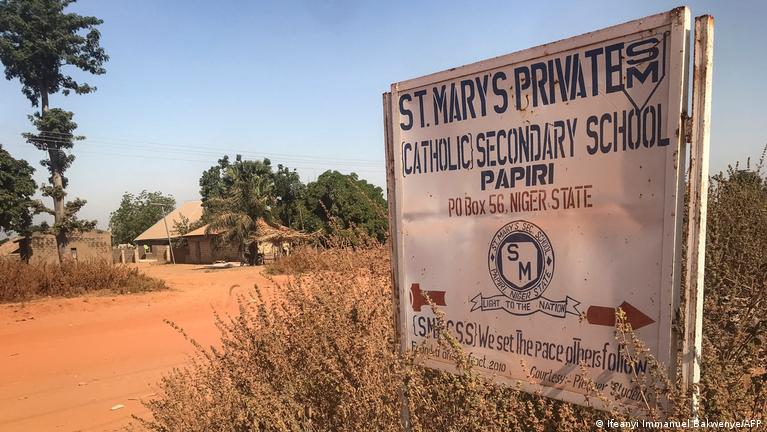
The federal government of Nigeria reportedly paid N2 billion to Boko Haram militants in exchange for the release of 230 pupils and staff of St Mary’s Catholic School, kidnapped in November 2025, according to multiple intelligence sources cited by AFP.
The abduction, which took place on November 21, 2025, in Papiri, central Niger State, involved nearly 300 victims, though about 50 escaped during the incident.
The report claims that, in addition to the ransom payment, the government agreed to release Boko Haram commanders as part of the negotiations.
Intelligence sources revealed that the money was delivered by helicopter to the insurgents’ stronghold in Gwoza, northeastern Borno State, where militant commander Ali Ngulde received the funds. Network issues reportedly forced Ngulde to cross into neighbouring Cameroon to confirm receipt, after which 100 children were released.
Nigerian officials had celebrated the return of the hostages on December 22, 2025, describing it as a successful rescue operation.
However, the AFP report suggests the reality was more complex, involving weeks of negotiation with the insurgents and a significant ransom payment.
The National Security Adviser’s office declined to comment on the report, while the State Security Service reiterated the government’s policy that it does not pay ransoms.
Boko Haram has claimed responsibility for multiple terror attacks in the country, including the notorious 2014 Chibok school abduction.
The reported negotiations occurred amid heightened international scrutiny of attacks on Christians in Nigeria, with US political figures, including former President Donald Trump, raising concerns of targeted violence, followed by a US bombing in Sokoto State the following month.
AFP


 Follow Us on Google Discover







Opposition will front a single candidate against Tinubu, announcement will be made few days to election – Lukman

La Liga: Unstoppable Barcelona beat Real Betis 5-2 to extend winning run

EPL: Super Eagles star Iwobi fires Fulham to first league victory

Ogun hospital under fire as Nurse dies of asthma attack amid alleged oxygen failure

Maryam Babangida Center for Women Devt gets first wheel chair ramp after 34 years

Shettima inaugurates Arewa for Asiwaju campaign office in Abuja

2027: ‘APM will beat Tinubu in 12 battleground states’ – Makinde’s campaign team

Veteran Journalist, diplomat Dele Cole dies at 86

Suspended NSCDC commandant apologises over deaths of suspected illegal miners in Niger

EPL: Martinez rushed to hospital after head injury as Chelsea beat Everton

COAS arrives Borno as Military moves to clear terrorist camps, rescue abductees

Macky Sall quits race for UN Secretary-General position

Buhari backed Osinbajo’s presidential ambition four times, Akande tells Babachir Lawal

Dr. Benjamins‑Laniyi urges media to amplify women’s leadership, adopt gender‑sensitive reporting

Pope Leo XIV set to leave hospital after lung cancer surgery

Erisco Foods announces 13 job openings across Nigeria – Apply Now

2027: Step down if you are not working for Tinubu – Deji Adeyanju dares Obi, Kwankwaso

House Officers, Nurses, Radiographers, Others wanted as DELSUTH opens recruitment – Apply Now

Tinubu reappoints Bala Bila as INEC commissioner, nominates six others

Elon Musk unveils Tesla’s ‘flying’ car in stunning demonstration

2027: Kwankwaso a goat in sheep’s clothing, secretly working for Tinubu – Atiku Campaign Council

2027: Tinubu to miss rallies in over 20 States as APC releases campaign timetable

33 Governors cannot be wrong in supporting Tinubu – Bayo Onanuga

Gunmen storm Plateau, kill traditional ruler at residence

Outrage as suspected cultists unveil renovated police post in Rivers

2027: ‘Atiku, Obi, Duke, Makinde are not threats to Tinubu’, says APC

Atiku fully fit, ready to campaign in all 36 states, interact with Nigerians – ADC PCC

2027: ‘Don’t trust your destiny to ‘kalokalo’ people’ – Wike warns Rivers voters against Atiku, Amaechi, Obi

Security forces arrest five suspects over abduction of 20 NYSC members in Imo
