
National News
JUST-IN: FG bans roadblock tax collection

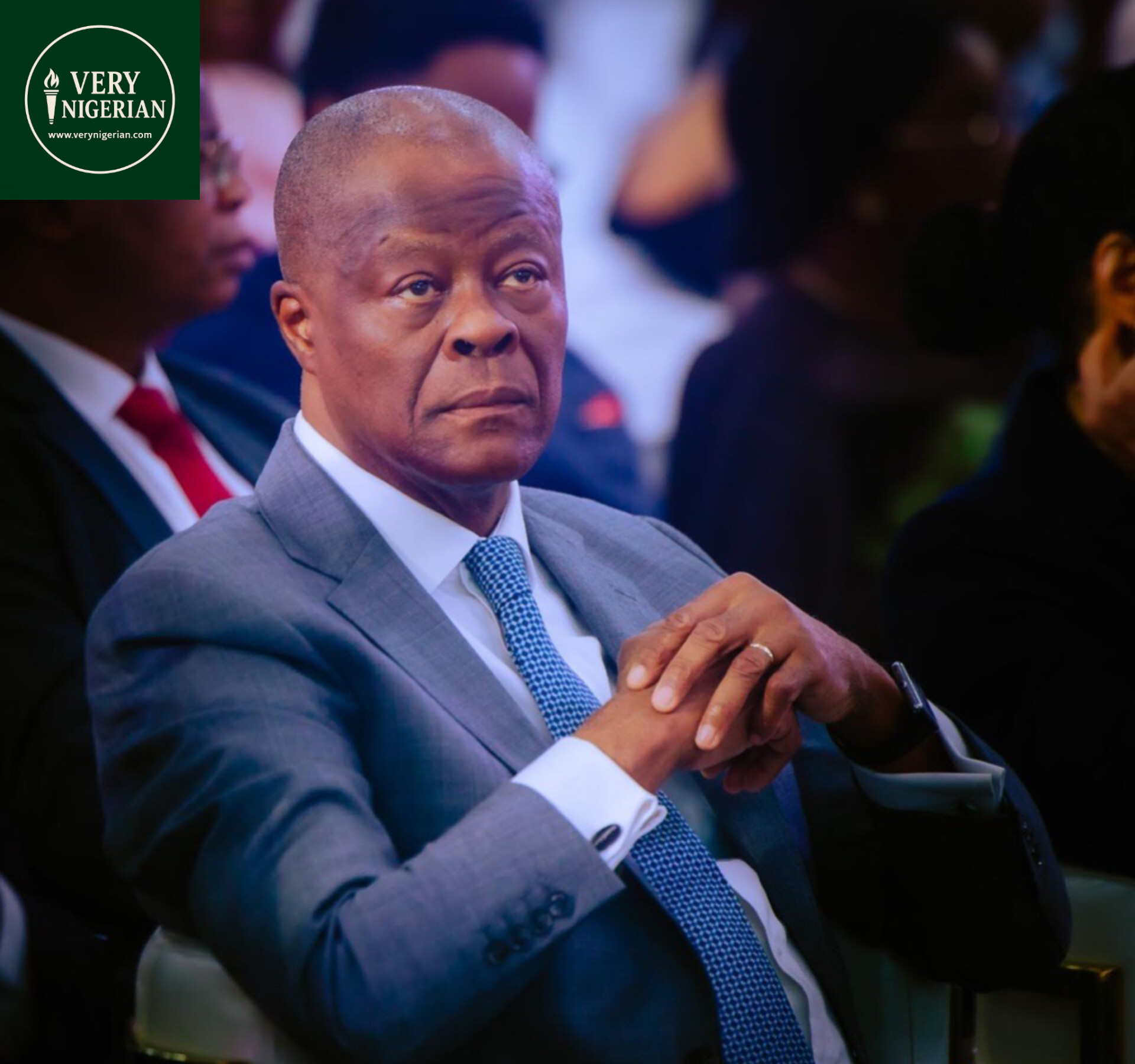
The Joint Revenue Board (JRB) has outlawed the use of roadblocks for tax collection across the country, marking a significant shift in revenue enforcement as the Federal Government rolls out new Presumptive Tax Regulations.
The new framework was unveiled by the Minister of Finance and Coordinating Minister of the Economy, Wale Edun, as part of ongoing reforms aimed at creating a more structured and business-friendly tax system.
Executive Secretary of the JRB, Olusegun Adesokan, explained that the regulations establish a harmonised and coordinated approach to tax administration, designed to eliminate harassment and prevent disruptions to legitimate business activities.
Under the new rules, nano and small-scale enterprises with annual turnover of ₦12 million and below are exempted from paying presumptive tax.
Informal businesses above that threshold, however, will pay a flat 1 per cent tax on turnover.
According to the JRB, the initiative is intended to shield small businesses from undue pressure, stimulate enterprise growth, and broaden Nigeria’s tax base in a fair and transparent manner.
Speaking at the unveiling ceremony, Edun said the regulations promote transparency, fairness and economic inclusion by providing small businesses with a clear pathway into the formal economy.
“These regulations ensure transparency, fairness and economic inclusion.”
“They formalise a pathway for small businesses to grow and eventually transition into the formal economy, contributing to sustainable national growth,” the minister said.
Edun noted that Nigeria recorded over 4 per cent Gross Domestic Product (GDP) growth in the last quarter of 2025, expressing optimism that the economy could achieve a 7 per cent growth rate in the near term.
He added that this aligns with President Bola Tinubu’s ambition of building a $1 trillion economy by 2030.
The minister further stated that tax administration under the new framework would be jointly coordinated by federal, state and local governments.
He assured that the system would be monitored for fairness, with oversight from the Ombudsman to guarantee proper implementation.
Describing the reform as growth-driven, Edun said it is designed to create jobs, support small and medium-scale enterprises, and attract investment from Nigerians both at home and in the diaspora.


 Follow Us on Google Discover







Shettima inaugurates Arewa for Asiwaju campaign office in Abuja

2027: ‘APM will beat Tinubu in 12 battleground states’ – Makinde’s campaign team

Veteran Journalist, diplomat Dele Cole dies at 86

Suspended NSCDC commandant apologises over deaths of suspected illegal miners in Niger

EPL: Martinez rushed to hospital after head injury as Chelsea beat Everton

COAS arrives Borno as Military moves to clear terrorist camps, rescue abductees

Macky Sall quits race for UN Secretary-General position

Buhari backed Osinbajo’s presidential ambition four times, Akande tells Babachir Lawal

Dr. Benjamins‑Laniyi urges media to amplify women’s leadership, adopt gender‑sensitive reporting

Pope Leo XIV set to leave hospital after lung cancer surgery

Gunmen kill four vigilantes in Plateau community

Tension as traditional ruler collapses, dies in Ondo

2027: Kwankwaso a goat in sheep’s clothing, secretly working for Tinubu – Atiku Campaign Council

DSS arrests Maina’s fugitive son in Abuja, hands him over to EFCC

2027: Step down if you are not working for Tinubu – Deji Adeyanju dares Obi, Kwankwaso

Erisco Foods announces 13 job openings across Nigeria – Apply Now

‘You Betrayed Osun People’ — Adeleke, Davido face backlash over support for Tinubu

House Officers, Nurses, Radiographers, Others wanted as DELSUTH opens recruitment – Apply Now

Tinubu reappoints Bala Bila as INEC commissioner, nominates six others
2027: Step down if you are not working for Tinubu – Deji Adeyanju dares Obi, Kwankwaso

‘I love Islam, I’ve sent people to Mecca to pray for me, Nigeria for 25 years’ – Akpabio

Umahi reopens first Niger bridge after emergency repairs, displays Tinubu’s photos

Panic in Rivers community as pipeline explosion injures 20, razes over 50 houses

Elon Musk unveils Tesla’s ‘flying’ car in stunning demonstration

2027: Tinubu to miss rallies in over 20 States as APC releases campaign timetable

33 Governors cannot be wrong in supporting Tinubu – Bayo Onanuga
2027: Kwankwaso a goat in sheep’s clothing, secretly working for Tinubu – Atiku Campaign Council

2027: ‘Atiku, Obi, Duke, Makinde are not threats to Tinubu’, says APC
Gunmen storm Plateau, kill traditional ruler at residence
