
Business News
FCCPC pushes for petrol price cuts as global crude oil prices falls


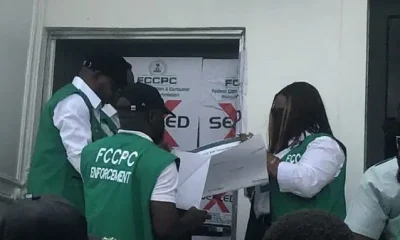
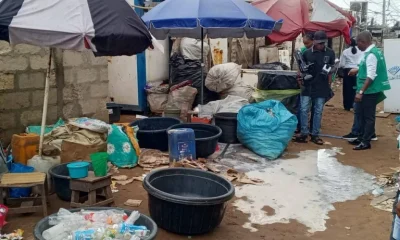
The Federal Competition and Consumer Protection Commission (FCCPC) has assured Nigerians that it is monitoring the decline in global crude oil prices to ensure that the reduction is reflected in petrol prices across the country.
The Executive Vice Chairman and Chief Executive Officer of the commission, Tunji Bello, gave the assurance on Tuesday following growing public concerns over why falling international crude oil prices had yet to translate into lower domestic fuel costs.
Bello said the commission was paying close attention to developments in the global oil market to ensure that Nigerian consumers benefit from any reduction in crude oil prices.
Latest market reports show that Brent crude futures have fallen from a peak of $115 per barrel in September to below $90 this week, raising expectations of a possible reduction in petrol prices.
The FCCPC’s position comes amid calls for oil marketers and other industry players to reflect changes in global crude oil prices in their domestic pricing decisions.
However, petrol currently sells for between N1,405 and N1,420 per litre in Abuja, while prices in Lagos range from N1,325 to N1,370 per litre.
The commission recalled that on February 27, a day before the outbreak of the conflict involving the United States, Israel and Iran, Brent crude futures closed at $72.48 per barrel.
At the time, petrol sold for between N839 and N925 per litre at filling stations in Lagos and Abuja.
Petroleum marketers have attributed the increase in fuel prices over the past eight months to volatility in international crude oil prices following the outbreak of the conflict in the Middle East and the subsequent blockade of the Strait of Hormuz, a major global oil transit route.
Bello said sustained reductions in crude oil prices should translate into lower costs for refiners and marketers, urging them to pass the benefits to consumers.
“If the decline in crude prices is sustained, there is no justification for refiners and marketers to continue to keep petrol and diesel prices relatively high.
“We expect easing in wholesale petrol costs and for the resulting savings to reach consumers at the pump without undue delay,” he said.
The FCCPC chief acknowledged the financial difficulties high fuel prices had imposed on Nigerians, assuring that the commission would continue to monitor developments in the downstream petroleum market.
He said the commission would work with the Nigerian Midstream and Downstream Petroleum Regulatory Authority and other relevant government agencies to track wholesale and retail petrol prices.
Bello added that the FCCPC would take appropriate action within its mandate where evidence of anti-competitive conduct or unfair practices was established to be preventing consumers from benefiting from lower costs.


 Follow Us on Google Discover










Peter Obi unveils 2027 agenda, promises to unite Nigeria, tackle insecurity, poverty

2027: Obi visits Plateau traditional rulers, raises alarm over insecurity

Makinde presents N1.12tn budget proposal for 2027 fiscal year

Makinde appoints four new permanent secretaries, reaffirms commitment to good governance

C’River: Army renames Calabar barracks after late COAS Ibrahim Attahiru

FCCPC pushes for petrol price cuts as global crude oil prices falls

MultiChoice backs NBC crackdown on unauthorised broadcast content sharing

2027: ‘I never said collect money to buy votes, only a political motivation’ – Wike defends N10m promise to FCT councillors

Tinubu writes Senate, seeks confirmation for NMDPRA executive directors

2027: ‘If elected, Obi will flee to Cameron when faced with Nigeria’s problems’ – Wike

Senate rewards Flamingos with N100m after historic world cup victory

Why I rejected US political asylum despite Abacha’s arrest threat – Obasanjo

‘I was an Arms Dealer; I sold weapons to anyone who could pay’ — Orji Kalu

Tinubu’s proposed $500m loan will burden my incoming government — Atiku

Kano Court orders detention of three men over alleged kidnap plot, ransom demand

INEC warns politicians against ‘Rig and Die’ slogan, says electoral offenders will face prosecution

‘He is a crook, never studied at Chicago state University’ – Ex-lecturer Doherty challenges Tinubu’s academic claims

FG seeks $500m World Bank fresh loan to finance infrastructure as Tinubu’s tenure nears end

We can’t stay indoors”: Sheda Farmers face double heat threat of crop loss and health risks: by Oladosu Adebola Oluwaseun
‘Deliver your ward for Tinubu, get N10m’ — Wike tells FCT Councillors

Keyamo: ADC will be on 2027 ballot, but Atiku may be excluded

Tragedy as Edo APC chieftain dies after son allegedly attacks him over prophecy

‘Nobody Can Take My Ticket’ — Uzodimma Fires Back Amid Senatorial Candidacy Dispute

Gospel Singer Toluwanisings set to be buried today in Ibadan

2027: ‘God is my only political godfather’ – APM candidate, Seyi Makinde

Reps demand accountability, greater oil production five years after PIA enactment

Actress Destiny Etiko lands political appointment as Enugu Gov’s special assistant

‘I funded PDP, Obasanjo after release from prison, but they turned against me, destroyed my business’ – Orji Kalu reveals

Osun NLC begins three-day strike, shuts govt offices
