
News
FG orders fuel marketers to reduce PMS pump prices

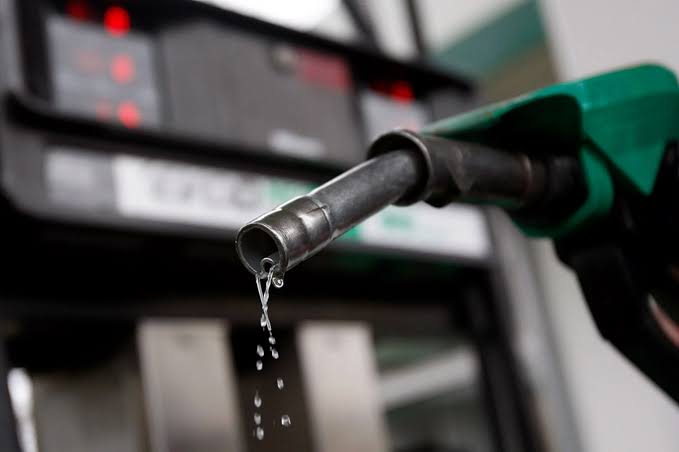
The Federal Government has directed the Nigerian Midstream and Downstream Petroleum Regulatory Authority (NMDPRA) to closely monitor fuel prices across the country and ensure petroleum marketers do not exploit consumers through arbitrary increases in pump prices.
The directive was issued by the Minister of State for Petroleum Resources (Oil), Senator Heineken Lokpobiri, during the NMDPRA General Counsel and Legal Advisers Forum held in Abuja.
Lokpobiri said that although the downstream petroleum sector has been fully deregulated, operators must not use deregulation as a justification for imposing unfair prices on Nigerians.
He noted that many Nigerians expected petrol prices to decline following the recent drop in global crude oil prices and easing geopolitical tensions in the Middle East.
According to the minister, the fall in international crude oil prices should ordinarily translate into lower pump prices for Premium Motor Spirit (PMS), commonly known as petrol.
“Following the de-escalation of tensions between Iran and the United States, we expected to see a commensurate downward adjustment in the prices of PMS and other petroleum products. However, that has not yet happened,” he said.
Lokpobiri stressed that while deregulation allows market forces to influence pricing, the Petroleum Industry Act empowers the regulator to prevent market abuse and excessive profiteering.
He urged the NMDPRA to ensure that consumers are protected from unfair pricing practices and exploitation.
The minister also expressed concern over fuel dispensing practices at filling stations, directing the regulator to strengthen oversight to ensure motorists receive the exact quantity of fuel they pay for.
“When someone pays for 10 litres of Premium Motor Spirit, they should receive exactly 10 litres, not less,” he said.
Lokpobiri further stated that Nigeria’s downstream petroleum sector had remained resilient despite recent geopolitical tensions involving the United States and Iran, attributing the stability to deregulation and increased domestic refining capacity.
He described the Petroleum Industry Act as a major milestone in reforming Nigeria’s oil and gas sector but noted that investor confidence now depends on the consistency and transparency of its implementation.
According to him, investors are interested not only in policies but also in the predictability and stability of the country’s regulatory environment.
He urged legal advisers and regulators to focus on creating an investment-friendly atmosphere rather than introducing unnecessary regulatory bottlenecks.
“We will not be judged by the number of regulations we produce or the volume of guidelines we issue. We will be judged by the investments we attract, the businesses we enable, the jobs we create and the value we leave behind for future generations,” he said.
Earlier, the Chief Executive Officer of the NMDPRA, Rabiu Umar, said transparency, regulatory certainty and investor confidence have become critical to the growth of the petroleum industry.
He explained that the focus has shifted from merely having laws in place to ensuring that the Petroleum Industry Act delivers a stable and predictable environment capable of attracting long-term investment.
Also speaking, the Secretary and Legal Adviser of the NMDPRA, Joseph Tolorunse, said regulatory certainty remains essential for sustainable industry growth, adding that stable fiscal policies and fewer policy reversals would improve Nigeria’s competitiveness in the global oil and gas sector.
Meanwhile, petrol prices have continued to witness slight adjustments across major depots in Lagos, Port Harcourt, Calabar and Warri as marketers respond to prevailing market conditions and supply dynamics.


 Follow Us on Google Discover












2027: ‘Atiku will be physically present to lead Nigeria’ – ADC campaign council

Aiyedatiwa steps in as Ondo tertiary institutions suspend indefinite strike

FG issues flood alert to 24 states, FCT over heavy rainfall

Gunmen attack Plateau mining site, kill three women, injure one

Court sets October 13 for Atiku’s bid to amend Tinubu NYSC certificate suit

Court directs NMDPRA to grant import licences to Matrix Energy, AA Rano, AYM Shafa

UBEC launches digital platform to track basic education projects, state funds

Lagos’ Danielle Adewusi crowned Miss Universe Nigeria 2026

‘Show Nigerians what you built with borrowed money before taking another loan’ – Atiku challenges Tinubu

‘Fuel subsidy return will cripple Northern Nigeria’ – APC Chairman warns

JAMB restores CAPS, directs institutions to accelerate admissions

Kenneth Okonkwo reverses position on Obi’s Anambra debt record, says ‘I was misled’

Nigerian Navy Batch 39 Recruitment 2026: Application opens October 2 — Requirements, How to Apply

Colombia arrests wife, daughter of Ecuadorian drug lord ‘Fito’

Farmer raises alarm, foils alleged attempt to sell employer’s toddler in Cross River
Nigerian Navy Batch 39 Recruitment 2026: Application opens October 2 — Requirements, How to Apply

Woman nabbed for allegedly smuggling alcohol into Ogun prison

Six NDC governorship candidates reject Babachir Lawal’s appointment as North-East campaign coordinator

2027: APC chapters reject Wike’s Rainbow Coalition, demand formal defection to APC

BREAKING: Panic as explosion hits gas station in Abuja

NDLEA nabs 25-year-old newlywed with 72 cocaine wraps at Enugu airport

Flamingos crush Togo 4-0 to clinch 2026 WAFU-B U-17 Girls Cup title
Court directs NMDPRA to grant import licences to Matrix Energy, AA Rano, AYM Shafa

US rejects Iran’s Strait of Hormuz reopening proposal

NECO 2026: Kano emerges best performing state in Nigeria

2027 Poll: Supreme court verdict opens fresh legal battle over PDP, opposition candidates

FG moves to revamp four ports nationwide

Tinubu hale and hearty, still performing his duties from Paris – Presidency replies Atiku, Obi, Others

2027: PDP members dump party for APC in Kwara
