
News
‘If you attempt suicide, make sure you die’ — Akpabio sparks outrage over suicide bill

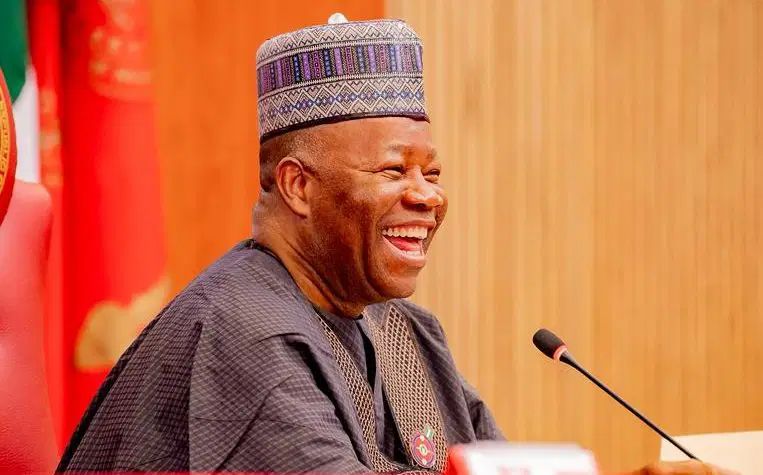
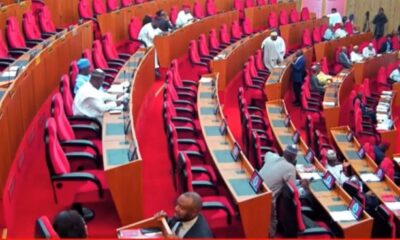
The Senate has passed for second reading a bill seeking to decriminalise attempted suicide in Nigeria and establish a national framework for suicide prevention, treatment and rehabilitation, despite opposition from Senate President Godswill Akpabio.
Sponsored by Senator Asuquo Ekpenyong, representing Cross River South, the proposed legislation seeks to replace criminal punishment for attempted suicide with a health-focused response that prioritises assessment, treatment and support for survivors.
The bill also proposes a national suicide prevention framework aimed at improving access to mental health services, strengthening public awareness and coordinating interventions across relevant institutions.
Leading the debate, Ekpenyong said Nigeria’s existing legal framework contained a contradiction because the National Mental Health Act recognises attempted suicide as a psychiatric emergency requiring treatment, while Section 327 of the Criminal Code and Section 231 of the Penal Code continue to criminalise the act.
He argued that removing criminal penalties without ensuring access to appropriate care would be insufficient, stressing that suicide has complex causes and requires a humane, health-centred response.
“At the heart of this bill is a simple question: when a Nigerian survives a suicide attempt, should the first response of the state be prosecution or protection?” he asked.
The senator said criminalisation could discourage people experiencing suicidal distress from seeking assistance, compel families to conceal suicide attempts and contribute to inadequate data on the scale of the problem.
He also warned that the threat of prosecution could worsen the situation by making vulnerable individuals less willing to seek help.
What the Proposed Bill Seeks to Change
Under the proposed legislation, imprisonment for attempted suicide would be replaced with measures including mandatory assessment, referral to appropriate services, treatment and follow-up support.
The bill also proposes crisis helplines, training for police officers, teachers and healthcare workers, public education campaigns and the establishment of a national data system to support suicide prevention efforts.
Ekpenyong maintained that the proposed changes would help ensure that people who survive suicide attempts receive appropriate care rather than face prosecution.
The initiative seeks to strengthen the country’s response to suicide by improving access to support services and encouraging people in distress and their families to seek help.
Akpabio Opposes Decriminalisation
However, Akpabio opposed the proposed decriminalisation, arguing that removing criminal penalties could encourage attempted suicide.
“If you attempt suicide, make sure you die. Anyone who attempts and fails will go to jail,” the Senate President said.
Akpabio also pointed to the involvement of both the Criminal Code and the Penal Code, arguing that the proposed changes would require broader consultation to prevent legal conflicts.
He called for input from State Houses of Assembly during a public hearing, given the implications of the proposed legislation for the different legal frameworks operating across the country.
The disagreement highlights the contrasting positions within the Senate over whether attempted suicide should primarily attract criminal sanctions or be treated as a mental health emergency requiring medical intervention.
Bill Referred to Senate Committees
Following its passage for second reading, the bill was referred to the Senate Committees on Judiciary and Health for further legislative consideration and a public hearing.
The committees are expected to examine the proposed framework, including its implications for existing criminal laws and the provision of mental health services.
The bill has not yet become law and must undergo further legislative consideration before any proposed changes can take effect.


 Follow Us on Google Discover







2027 election: Wike acts in secret, brags in public – Rufai Oseni

BREAKING: EFCC reopens investigation into Atiku following petition by ex-Lawmaker

Ghana repatriates 120 Nigerians arrested in cybercrime crackdown

‘If you attempt suicide, make sure you die’ — Akpabio sparks outrage over suicide bill

PDP crisis: Police seek to reopen case against Turaki

I will make life affordable, provide better security if elected – Atiku urges Nigerians to get their PVCs, vote out Tinubu

NAF crash: Aiyedatiwa orders fumigation of Igbokoda River, provision of clean water for residents

Dakingari begins diplomatic mission in Türkiye, presents credentials to Erdoğan

Retired Police officers, families storm National Assembly, demand exit from contributory pension scheme
2027: ‘Stay at home if you won’t debate’ – Rufai Oseni tackles Tinubu, Atiku, Obi, others

NAF recovers more components from crashed ATR 42-500 aircraft in Ondo

IMF warns Nigeria against restoring petrol subsidy, recommends support for vulnerable households

Peter Obi has no path to victory in 2027, says APGA Chairman

AI, Cryptocurrencies making terrorism harder to tackle – Ribadu

NDDC opens applications for 2026/2027 local Master’s Scholarship – Apply Now

Dangote Group opens 86 vacancies in Engineering, Finance, Logistics, HR, other fields

ECOWAS Bank opens applications for 2026 Young Professionals Programme

BREAKING: Police arrest former Imo governor Rochas Okorocha in Abuja

BREAKING: APC revises Tinubu Campaign Council, names Wike, Adeleke, Soludo as FCT, Rivers, Osun, Anambra coordinators (Full List)

Christopher University announces staff recruitment for academic, administrative positions

Obafemi Awolowo University (OAU) opens 51 non-academic job vacancies in healthcare, other sectors – Apply Now

2027: Economic hardship, appointments threaten Tinubu’s support in Northern Nigeria

Names of 68 lawyers elevated to SAN rank (Full list)

FG receives 105 Nigerians rescued in Ghana cybercrime crackdown
One Week after NAF crash, search for Black Box, victims’ remains continues in Ondo swamp

‘Tinubu Must Go’ – He’s planning to obtain fresh $20bn loan for Coastal Highway project – Atiku

Real reason INEC excluded Adebutu, Pantami, others from final governorship candidates’ list

2027: Osun will deliver 1.5m votes for Tinubu, says Adeleke after making APC PCC list

BREAKING: Publish my name within 72hrs or else…. – Pantami give INEC ultimatum
