
Politics
Reps Member Ambarura dumps APC for ADC amid defection wave

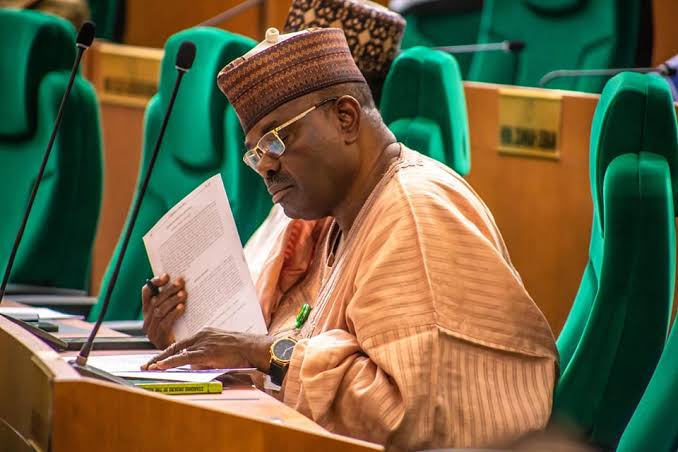
A fresh wave of political defections has hit Nigeria’s House of Representatives, as lawmakers realign ahead of the 2027 general elections.
Isah Ambarura, who represents Illela/Gwadabawa Federal Constituency in Sokoto State, has formally defected from the All Progressives Congress (APC) to the African Democratic Congress (ADC). Ambarura, who serves as Deputy Chairman of the House Committee on Rules and Business, said his decision followed “wide and careful consultations,” citing internal challenges within the APC.
“My decision was informed by circumstances beyond my control within the APC,” he stated, adding that the move would better position him to serve his constituents.
In a separate development, Jakduwa Kaikuku, representing Bade/Jakusko Federal Constituency in Yobe State, defected from the Peoples Democratic Party (PDP) to the APC. He attributed his switch to the lingering leadership crisis within the PDP, describing the ruling party as a more “stable and equitable” platform.
The defection notices were formally read during plenary by the Deputy Speaker, Benjamin Kalu.
Growing wave of defections
The latest moves add to a growing trend of cross-party defections in the National Assembly, reflecting shifting alliances and strategic positioning ahead of 2027.
Just days earlier, Muhammed Jajere of Fika/Fune Federal Constituency in Yobe State also moved from PDP to APC.
Similarly, four lawmakers from Kano State — Sani Wakili, Muktar Zakari, Umar Datti, and Abdulhakeem Ado — recently defected from the New Nigeria People’s Party (NNPP) to the ADC.
In addition, Thaddeus Attah (Eti-Osa, Lagos), Usman Zubairu (Kaduna), and Sani Noma (Kebbi) have also switched political camps, moving from the Labour Party (LP) and APC to the ADC.
Political implications
The steady stream of defections underscores deepening internal crises within major parties and signals an intensifying battle for political dominance ahead of the next general elections.
Analysts say such movements could reshape party strength, influence candidate selection, and determine coalition dynamics as 2027 approaches.


 Follow Us on Google Discover



Unknown gunmen abduct COCIN Pastor’s wife, three children in Borno

2027: APC commences candidate upload on INEC portal

Choirmaster gets 25-year jail term for assaulting teen member during ‘church deliverance’

10 things to know about Oyinkansola Badejo-Okusanya, new NBA President
BREAKING: Oyinkansola Badejo-Okusanya elected 33rd NBA President

Mbappé makes history, Saka nets hat-trick as England clinch World Cup bronze with thrilling 6-4 victory over France

Gombe 2027: PDP aspirant withdraws court case, backs Pantami

Arabic Education should be integrated into national curriculum – Gov. Bala Mohammed

Obi/Kwankwaso ticket cannot win 2027 elections, NDC lone senator, Hanga says as he plots defection to APC

UNICAL moves to curb exam fraud, sacks eight staff, penalizes one

TCN announces power blackout in Yobe, Bauchi, Gombe, three other Northern states

Police nab eight suspected cultists over alleged assault on Bayelsa Varsity student

Tems makes history as first African female artist with US Diamond-certified single

Imo now one-party state, our people have decided to re-elect Tinubu in 2027, Says Uzodimma

Court sentences two men to death by hanging for raping, murdering 17-year-old girl in Anambra

APC crisis deepens as Aiyedatiwa’s loyalists sue party, INEC over Ondo primaries
TCN announces power blackout in Yobe, Bauchi, Gombe, three other Northern states
Court sentences two men to death by hanging for raping, murdering 17-year-old girl in Anambra
Mbappé makes history, Saka nets hat-trick as England clinch World Cup bronze with thrilling 6-4 victory over France
Imo now one-party state, our people have decided to re-elect Tinubu in 2027, Says Uzodimma
Obi/Kwankwaso ticket cannot win 2027 elections, NDC lone senator, Hanga says as he plots defection to APC

Court dismisses suit seeking INEC recognition of Turaki-led PDP interim NWC
Arabic Education should be integrated into national curriculum – Gov. Bala Mohammed

Kano Senator Rufa’i Hanga meets Gov Yusuf, finalizes move to join APC

My husband suffering political prosecution – El-Rufai’s wife Asia reports husband’s detention to international community
BREAKING: Oyinkansola Badejo-Okusanya elected 33rd NBA President

Kebbi 2027: ADC Guber candidate Abubakar Malami names Musa Zagi as running mate

Trump criticises Tuchel’s tactics after England’s World Cup exit to Argentina

NBA Presidential Poll: Badejo-Okusanya leads as voting continues after cyberattack delay
