
Opinion
When primaries become auctions: The dangerous collapse of internal democracy by Maimunat Sheshi Kolo

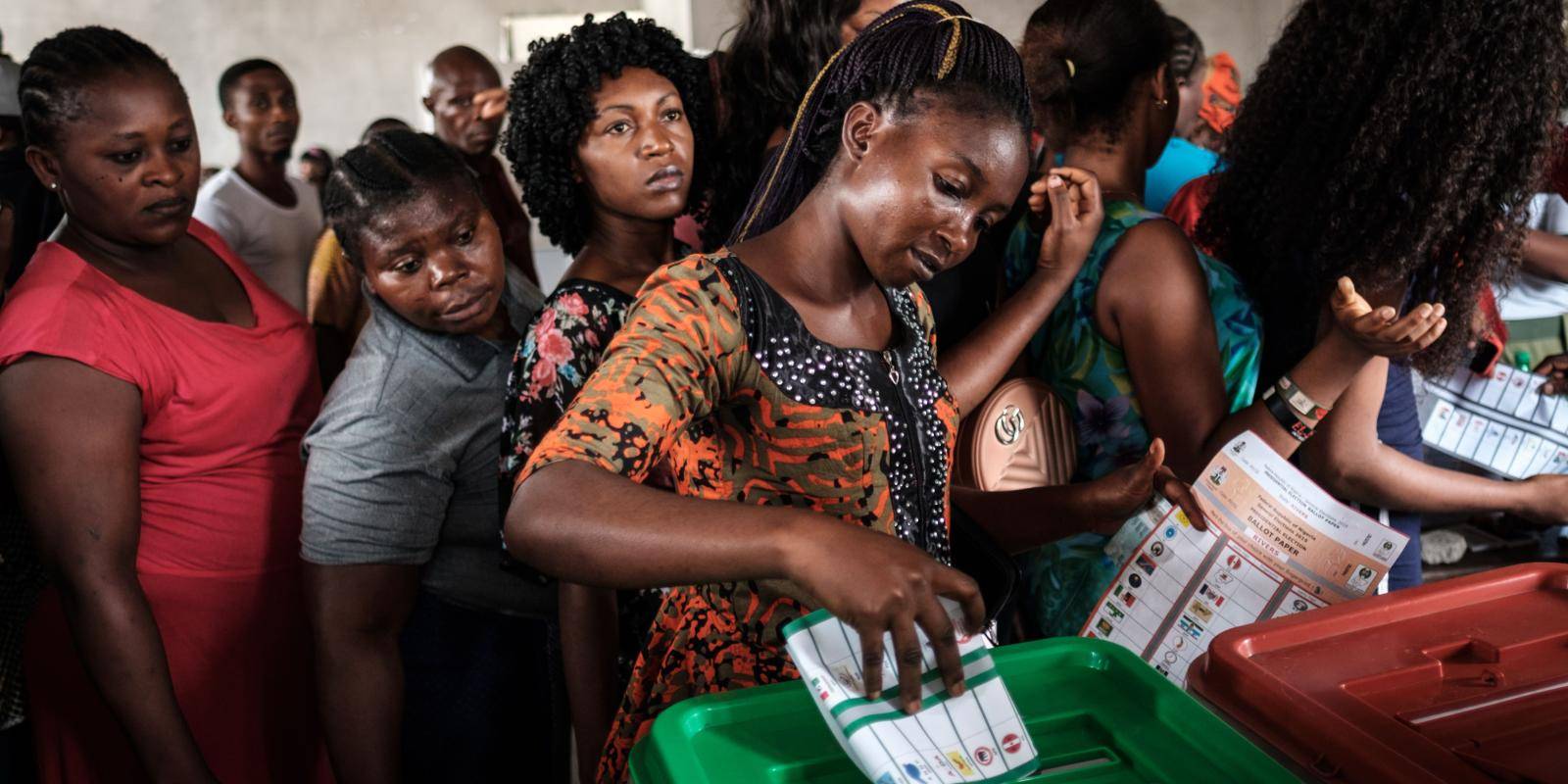
Nigeria’s democracy is once again standing before an uncomfortable mirror, and the reflection is neither inspiring nor hopeful.
What should have been a season of political rebirth and ideological alternatives is gradually degenerating into another familiar tale of manipulation, allegations of bribery, betrayal, and the silent burial of the people’s mandate.
Recently, a disturbing video surfaced online showing some aggrieved young men confronting an individual identified as Bala Faruk over alleged manipulation of primary election results for BIDA-GBAKO-KATCHA. In the now-circulating footage, Bala, while defending himself, allegedly made shocking statements suggesting that the election process itself never truly took place from Mokwa down to Lapai. According to the allegations in the video, he implied that results were manipulated and that such practices were not unusual within the political process.
In another statement in circulation, Bala Faruk accused ADC Chairman Luchi of being behind the harassment because his preferred aspirants did not emerge .If true, such statements are not merely troubling; they represent a dangerous assault on the very foundation of democracy.
Democracy survives on trust trust that votes count, trust that processes matter, trust that citizens have the power to determine leadership through transparent participation. The moment party primaries become predetermined exercises where outcomes are allegedly negotiated behind closed doors, democracy begins to lose meaning.
What then becomes the essence of campaigns, consultations, debates, rallies, and political participation if results are already influenced before ballots are cast?
Even more disturbing are widespread allegations that some party officials collected huge sums of money from aspirants with promises to tilt the process in their favour. While these allegations remain claims requiring proper investigation, their persistence across multiple states reflects a deeper crisis within Nigeria’s political culture.
Across Niger State and beyond, complaints surrounding flawed primaries have continued to emerge. Aspirants and supporters in different political camps have raised concerns ranging from manipulated delegate lists and vote buying to imposed candidates, missing electoral materials, intimidation, and altered results. What should ordinarily strengthen political parties ahead of general elections is instead creating deeper distrust among members and citizens alike.
Sadly, this pattern is not new.
For years, Nigerians have complained about the failures of the ruling system, accusing dominant political structures of hijacking democratic processes, suppressing internal party democracy, and prioritising personal interests over public welfare. These frustrations partly explain why many citizens began to place their hopes in emerging political alternatives, believing newer parties would embody fairness, transparency, and reform.
But what happens when the alternative begins to mirror the very disease it promised to cure?
This is the painful question many Nigerians are beginning to ask.
The African Democratic Congress (ADC), like several emerging political platforms, attracted sympathy and support from citizens exhausted by the economic hardship, insecurity, and growing dissatisfaction associated with the leadership failures under the ruling APC government. To many Nigerians, newer parties represented hope — a possible escape from recycled politics and entrenched political interests.
However, recent allegations and controversies surrounding internal party primaries risk destroying that hope before it fully matures.
When a political party created as an alternative begins to inherit the same culture of manipulation, secrecy, transactional politics, and alleged financial inducement, public confidence suffers greatly. Citizens begin to conclude that perhaps political parties in Nigeria differ only in names and slogans, while the operational culture remains largely unchanged.
The consequences of this are severe.
First, it discourages credible individuals from participating in politics. Many competent and sincere aspirants become frustrated after discovering that political success may depend less on popularity, vision, or competence and more on financial negotiations and invisible power structures.
Second, it weakens voter confidence. Citizens who already doubt the credibility of the wider electoral system become even more disconnected when internal party processes appear compromised. Over time, political participation declines because people no longer believe their involvement can genuinely influence outcomes.
Third, and perhaps most dangerously, it normalises corruption within democratic institutions. Young people watching these events begin to internalise manipulation as “normal politics.” Electoral fraud becomes culture instead of crime. Integrity becomes weakness instead of strength.
And this is how democracies slowly decay.
The tragedy of Nigeria’s political system is not merely that manipulation exists. The greater tragedy is how deeply society has normalised it. Election rigging, vote buying, financial inducement, imposed candidates, and political betrayal are now discussed with frightening casualness, almost as though they are unavoidable traditions rather than threats to national progress.
But democracy cannot survive where merit is consistently sacrificed for influence and money.
No nation develops when political leadership emerges through manipulation rather than credibility. When internal party democracy collapses, general elections eventually become mere formalities. The people lose their voice long before election day arrives.
Political parties must therefore understand that primaries are not ordinary internal exercises; they are the moral foundation upon which democratic legitimacy rests. Once that foundation becomes compromised, every victory that emerges from it remains questionable in the minds of citizens.
At this critical moment, Nigerians must begin demanding more than campaign promises and emotional rhetoric. Citizens must demand transparent party processes, credible primaries, accountability for electoral misconduct, and consequences forget individuals found undermining democratic systems.
Because if the process of choosing candidates is already corrupted, the process of governance itself is unlikely to produce anything different.
And perhaps that is the greatest danger of all:
A nation gradually losing faith not just in politicians, but in democracy itself.


 Follow Us on Google Discover







La Liga: Unstoppable Barcelona beat Real Betis 5-2 to extend winning run

EPL: Super Eagles star Iwobi fires Fulham to first league victory

Ogun hospital under fire as Nurse dies of asthma attack amid alleged oxygen failure

Maryam Babangida Center for Women Devt gets first wheel chair ramp after 34 years

Shettima inaugurates Arewa for Asiwaju campaign office in Abuja

2027: ‘APM will beat Tinubu in 12 battleground states’ – Makinde’s campaign team

Veteran Journalist, diplomat Dele Cole dies at 86

Suspended NSCDC commandant apologises over deaths of suspected illegal miners in Niger

EPL: Martinez rushed to hospital after head injury as Chelsea beat Everton

COAS arrives Borno as Military moves to clear terrorist camps, rescue abductees

Macky Sall quits race for UN Secretary-General position

Buhari backed Osinbajo’s presidential ambition four times, Akande tells Babachir Lawal

Dr. Benjamins‑Laniyi urges media to amplify women’s leadership, adopt gender‑sensitive reporting

Pope Leo XIV set to leave hospital after lung cancer surgery

Gunmen kill four vigilantes in Plateau community

Erisco Foods announces 13 job openings across Nigeria – Apply Now

House Officers, Nurses, Radiographers, Others wanted as DELSUTH opens recruitment – Apply Now

2027: Step down if you are not working for Tinubu – Deji Adeyanju dares Obi, Kwankwaso

Tinubu reappoints Bala Bila as INEC commissioner, nominates six others

Panic in Rivers community as pipeline explosion injures 20, razes over 50 houses

Elon Musk unveils Tesla’s ‘flying’ car in stunning demonstration

2027: Kwankwaso a goat in sheep’s clothing, secretly working for Tinubu – Atiku Campaign Council

2027: Tinubu to miss rallies in over 20 States as APC releases campaign timetable

33 Governors cannot be wrong in supporting Tinubu – Bayo Onanuga

2027: ‘Atiku, Obi, Duke, Makinde are not threats to Tinubu’, says APC
Gunmen storm Plateau, kill traditional ruler at residence

2027: ‘Don’t trust your destiny to ‘kalokalo’ people’ – Wike warns Rivers voters against Atiku, Amaechi, Obi

Outrage as suspected cultists unveil renovated police post in Rivers

Atiku fully fit, ready to campaign in all 36 states, interact with Nigerians – ADC PCC
