
Entertainment
Yoruba pioneered home videos, not Nollywood, Nkem Owoh clarifies

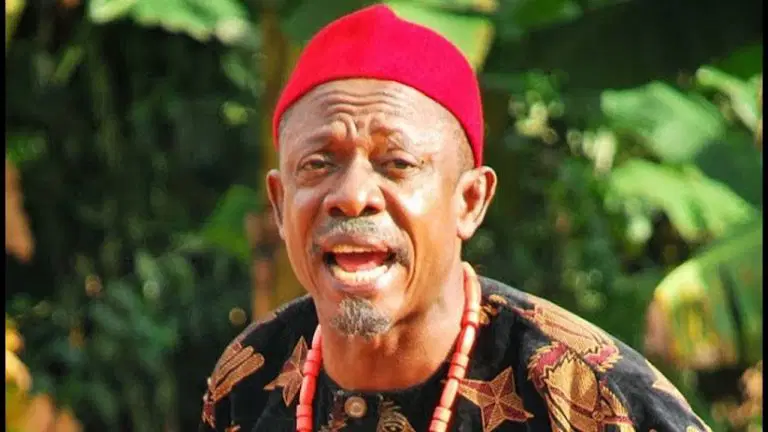
Veteran Nollywood actor Nkem Owoh, popularly known as Osuofia, has clarified the distinction between the pioneers of Nigeria’s home-video industry and the founders of Nollywood.
Owoh maintained that Yoruba filmmakers were the first to pioneer home-video productions in Nigeria but stressed that they should not be credited with starting Nollywood.
The actor made the clarification during an appearance on Curiosity Made Me Ask, a programme hosted by comedian and content creator Adebayo Abidemi, popularly known as Bae U.
In the interview, published on the host’s YouTube channel on Saturday, Owoh addressed a question about reports that he had claimed the Yoruba people, rather than the Igbo, started Nollywood.
He used the opportunity to explain his position on the history of Nigeria’s film industry and the contributions of different ethnic groups to its development.
The clarification comes amid an ongoing debate over the contributions of different ethnic groups to the development of Nigeria’s film industry.
The debate gained fresh attention in August 2026 when late veteran actor Francis Duru argued that the Igbo built Nollywood but that Yoruba filmmakers had become more dominant because of their ability to organise and promote their productions.
Duru, who died in October, had attributed much of the growth of the modern home-video industry in the 1990s and early 2000s to Igbo entrepreneurs.
Reacting to the reported interpretation of his earlier comments, Owoh said it was inaccurate to suggest that he claimed Yoruba people started Nollywood, explaining that the name did not exist when filmmakers began producing movies.
“First of all, you have given me this wrong accusation that I said, Yoruba started Nollywood. No. Yoruba started this film on… when did Nollywood come out? When we started the thing, there was no Nollywood as a name.
“We sat together and we’re banding, you know, ideas and all that, how the thing is going to come to fruition. And eventually, we chose Nollywood,” he said.
The actor, however, credited Yoruba filmmakers with popularising home-video productions in Nigeria, specifically mentioning veteran filmmaker Hubert Ogunde and Adebayo Papa as among those whose works he admired.
“So, Yoruba started the thing. They made the thing very popular home video and all that. Yes, they did. And I’ve said it several. Okay. Ogunde and Adebayo Papa. These are the people I love to watch their thing,” he said.
When the interviewer jokingly suggested that Ogunde was Igbo, Owoh disagreed, insisting that the late filmmaker was Yoruba.
“Ogunde is not Igbo. I’m telling you that Yoruba started it. When Ogunde was out, I don’t think there was any Igbo man who was that popular in that,” he added.
He further emphasised the distinction between the origins of home-video productions and Nollywood, stating: “The Yoruba did not start Nollywood. They started Home video.”
Historical accounts of Nigerian cinema trace the development of Yoruba filmmaking to travelling theatre groups led by figures such as Hubert Ogunde and Duro Ladipo, whose stage productions evolved into film and video productions decades before the commercial home-video boom of the 1990s.
However, the emergence of the modern commercial direct-to-video market is widely associated with the 1992 Igbo-language film Living in Bondage, produced by Kenneth Nnebue, which helped popularise the format and laid the foundation for the industry later known globally as Nollywood.
The name Nollywood itself emerged years after the early home-video productions, as the Nigerian film industry gained wider recognition internationally.
Owoh’s clarification has added another dimension to the longstanding debate over the respective contributions of Yoruba and Igbo filmmakers to the evolution of Nigerian cinema.


 Follow Us on Google Discover








We can’t stay indoors”: Sheda Farmers face double heat threat of crop loss and health risks: by Oladosu Adebola Oluwaseun

Barcelona defender Pau Cubarsí clinches 2026 Golden Boy award

BREAKING: INEC removes fake images, deceased persons from voter register ahead of 2027 elections – Amupitan

Enugu Air announces London flights, sets December 10 take-off date

Court Rejects Maihaja’s challenge to Wali’s emergence as Yobe APC guber candidate

‘Deliver your ward for Tinubu, get N10m’ — Wike tells FCT Councillors

‘Any Igbo man who refuses to vote for Peter Obi is an enemy of the Igbo people’ — Victor Umeh

ICPC raises charges against fake PFIPC DG Adeyemi, names four additional suspects

Reps demand accountability, greater oil production five years after PIA enactment

Tragedy as Edo APC chieftain dies after son allegedly attacks him over prophecy

VP Shettima honored with traditional title in Ebonyi

INEC warns politicians against ‘Rig and Die’ slogan, says electoral offenders will face prosecution

PSC names Salisu Bello Fago as new Niger State CP

2027: 375 Judges sworn in for election petition tribunals

COP31 opens as UN chief challenges world leaders to act on climate crisis
INEC warns politicians against ‘Rig and Die’ slogan, says electoral offenders will face prosecution

Tell Nigerians where you got money to build university – Tinubu

‘He is a crook, never studied at Chicago state University’ – Ex-lecturer Doherty challenges Tinubu’s academic claims

FG seeks $500m World Bank fresh loan to finance infrastructure as Tinubu’s tenure nears end

BEDC approves salary increase for all staff, begins implementation December 1

Keyamo: ADC will be on 2027 ballot, but Atiku may be excluded

‘After election, they will check under your bed for taxes’ — Kwankwaso takes swipe at Tinubu government

EPL: Man Utd rescue dramatic 4-4 draw against Villa as Chelsea suffer narrow defeat to Sunderland

Yoruba pioneered home videos, not Nollywood, Nkem Owoh clarifies

Nigerian Army restores official X account after cyberattack
Tragedy as Edo APC chieftain dies after son allegedly attacks him over prophecy

Panic as gunmen abduct mother, three sons in Enugu community

‘Nobody Can Take My Ticket’ — Uzodimma Fires Back Amid Senatorial Candidacy Dispute

Nigerian Air Force announces major shake-up, appoints new commanders
