
Politics
No Peter Obi on ballot, no 2027 election — Rev. Obioha

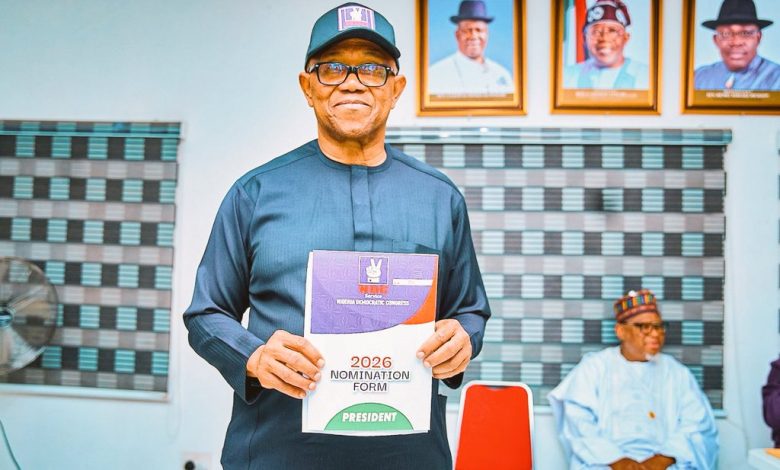
The Leader of the Njiko Igbo Forum, Rev. Dr. Okechukwu Christopher Obioha, has warned that Nigeria could face serious challenges in conducting the 2027 general election if Peter Obi is prevented from appearing on the presidential ballot.
Obioha made the remark following Friday’s Federal High Court ruling in Lokoja, which set aside an earlier judgment that compelled the Independent National Electoral Commission (INEC) to register the Nigeria Democratic Congress (NDC) as a political party.
Justice Isah Dashen ruled that the earlier judgment affected the rights of the Peace Movement Party (PMP), which claimed ownership of the logo adopted by the NDC, despite not being joined as a party in the original suit.
Speaking with DAILY POST, Obioha alleged that public confidence in Nigeria’s judiciary had declined due to what he described as inconsistent court decisions. He also accused the current administration of undermining the independence of the judiciary.
“The citizens of this country, the genuine citizens of this country, who are looking up to a democracy that will have aimed to be sustained and maintained are not looking at the courts at all.
“Now we have no regard for the judiciary in Nigeria. The judiciary in Nigeria is full of inconsistencies,” he said.
Obioha further claimed that the judiciary had been weakened under the present administration, adding that many Nigerians no longer trusted court pronouncements on political matters.
He also expressed the view that preventing Obi from contesting the 2027 presidential election could have far-reaching consequences.
“If Peter Obi is frustrated and is not on the ballot, there will be no election in 2027. That’s not a threat. It is going to work out that way.
“If you like, you can call it prophecy. I’m a reverend. Call it anything, but I’m just warning Nigerians,” he said.
He added that Nigerians were increasingly dissatisfied with the country’s political system and called for reforms that would restore confidence in democratic institutions.


 Follow Us on Google Discover




NDLEA nabs 25-year-old newlywed with 72 cocaine wraps at Enugu airport

NECO 2026: Kano emerges best performing state in Nigeria

BREAKING: Panic as explosion hits gas station in Abuja

Woman nabbed for allegedly smuggling alcohol into Ogun prison

Thousands gather at Old Trafford as Pastor Jerry Eze lead prayer in Manchester

ADC suffers fresh defection as former DG Umar Salah joins APC

EFCC nab suspended City Boy Movement women leader, Halimat Tejuosho

Nigeria Open Golf tournament set for grand return after 28-year break

Gunmen kill five miners, injure two in fresh Plateau attack

Guinea Opposition leader Sidya Toure dies at 81

Kenyan President Ruto visits Dangote refinery

Iraq demands US exemption for Iranian airlines after flight disruptions

OK Movement defies NDC Obi, insists its Presidential Campaign Council is still operational

Troops rescue 14 kidnapped victims, arrest three logistics couriers in Katsina

NUJ FCT Chair, Ike urges research investment to tackle oil, gas uncertainty

NDLEA arraigns KayCee Luxury, two others over alleged 184.5kg cocaine export

Appeal Court affirms two-year jail sentence for ex-Unical Dean, Ndifon

Gunmen kill four, injure two in Niger

DisCos record N205.53bn electricity revenue in July – NERC

My gov’t correcting past mistakes, give me more time to ‘finish the good work’ – Tinubu appeals to Nigerians

‘Produce any corruption conviction against Atiku’ – ADC challenges APC

‘I respect Tinubu, I can never abuse him’ – Peter Obi

ADC hit by fresh crisis as National youth leader Sultan Bello resigns

Workers shut down Delta secretariat over deputy director’s death

‘I never diverted federal road projects to South-East’ – Umahi

Iran offers plan to reopen Strait of Hormuz, US reportedly declines
OK Movement defies NDC Obi, insists its Presidential Campaign Council is still operational
Thousands gather at Old Trafford as Pastor Jerry Eze lead prayer in Manchester

Cristian Romero replaces Messi as Argentina’s new Captain