
Politics
Big blow for Turaki PDP faction as INEC rejects Jonathan’s presidential nomination

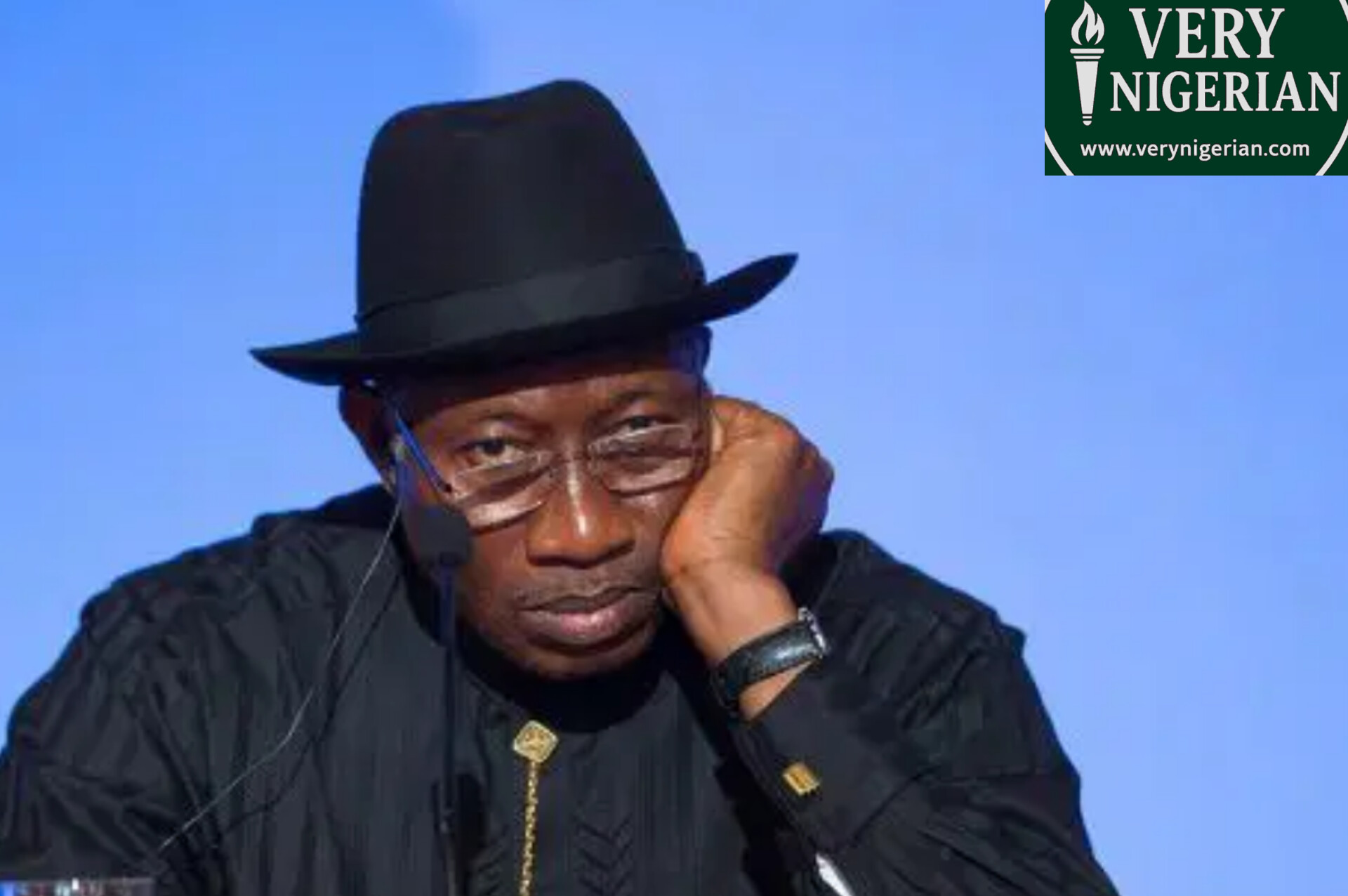
The Independent National Electoral Commission (INEC) has rejected the presidential nomination of former President Goodluck Jonathan submitted by the Kabiru Turaki-led faction of the Peoples Democratic Party (PDP).
The development comes after the Turaki faction insisted on Friday that it had manually submitted Jonathan’s nomination and the names of its other candidates for the 2027 general election to the electoral commission, further deepening the PDP’s leadership crisis.
INEC’s Director of Voter Education and Publicity, Victoria Eta-Messi, told Saturday Vanguard that the commission does not accept candidate nominations outside its designated electronic submission platform.
> “Submission is only done on a dedicated portal as stipulated by our regulations and guidelines,” she said.
However, the National Publicity Secretary of the Turaki-led Interim National Working Committee, Comrade Ini Ememobong, defended the manual submission, claiming the faction resorted to that option after INEC allegedly refused to provide the electronic access codes required for online filing.
According to him, the access codes are merely an administrative requirement and not a legal condition for submitting candidates.
> “Notwithstanding INEC’s refusal to provide us with the necessary access codes, we have successfully submitted, manually and in full compliance with the Electoral Act 2026, the list of candidates sponsored by the authentic Peoples Democratic Party,” Ememobong said.
He stated that the submission included Jonathan’s presidential nomination as well as the names of governorship, National Assembly and State House of Assembly candidates sponsored by the faction, adding that INEC acknowledged receipt of the documents.
Ememobong warned the commission against publishing any candidate list different from the one submitted by his faction.
> “Should the Commission publish names other than those lawfully submitted by us, we are exhausting every constitutional, legal and democratic avenue to ensure that our Party is not hijacked or annexed to the ruling party,” he said.
Explaining the origin of the crisis, Ememobong maintained that the PDP’s Board of Trustees and a National Executive Committee meeting convened through members’ requisition established the Interim National Working Committee after a Supreme Court judgment allegedly left the party without a legally recognised national leadership.
He argued that INEC’s refusal to recognise the interim leadership, despite formal notification, forced the faction to seek judicial intervention.
The spokesman also criticised a subsequent Federal High Court judgment, describing it as inconsistent with earlier Supreme Court and Court of Appeal decisions.
> “The judgment reads more like an appeal on the judgment of the Supreme Court and the Court of Appeal. It is clearly inconsistent with the extant decisions of the Supreme Court and the Court of Appeal that form the foundation of our case,” he said.
He disclosed that the faction had appealed the judgment and would also challenge what it described as discrepancies between the judgment delivered in open court and its Certified True Copy (CTC).
Ememobong further accused INEC of abandoning its constitutional neutrality in handling the dispute.
> “The Commission’s actions have regrettably reinforced the growing public perception that it is no longer acting with the impartiality expected of the nation’s electoral umpire,” he said.
He also alleged that the commission withheld material facts during court proceedings involving the PDP and ignored party congresses it had monitored.
The Turaki faction claimed that the PDP’s internal crisis was part of a broader effort to weaken opposition parties and pave the way for a one-party state.
> “We were the pioneer target for opposition dismantling and capture, but it has now spread to almost all the opposition parties,” Ememobong said.
He called on Nigerians to defend multi-party democracy, warning that what he described as growing electoral authoritarianism posed a serious threat to democratic consolidation, while expressing confidence that the courts would ultimately rule in favour of his faction.


 Follow Us on Google Discover













APM, Makinde sue Otti over alleged N200m campaign levy in Abia

‘Why are afraid of entering America?’, Atiku blasts Tinibu for missing third consecutive UNGA

Gunmen storm Kebbi community, kill village head

Former Kogi Gov Ibrahim Idris dies in UK

NDLEA seizes N3.4bn drugs, nab fake cop, mechanic

Falconets crash out of 2026 U-20 Women’s World Cup after 1-0 loss to Colombia

BREAKING: Tinubu confirms absence from 81st UN General Assembly in New York, directs Shettima to lead Nigerian delegation

2027: ‘Obi will defeat Tinubu by a wider margin in Lagos’ — NDC

NDC disowns OK Movement campaign council, refers John Ugulu for discipline

Raphinha set to sign new Barcelona contract until 2030

Four Nigerians receive UNGA Humanitarian, Goodwill Ambassador honours in New York

‘We Won’t Go Back to Egypt’ — Showunmi rejects Atiku’s petrol subsidy proposal

NSCDC names new Niger commandant following death of miners in custody

ECOWAS court set to hold 2026 international conference in Dakar

Nigerians already seeing reductions in transport fares – Tinubu
BREAKING: Tinubu confirms absence from 81st UN General Assembly in New York, directs Shettima to lead Nigerian delegation
Nigerians already seeing reductions in transport fares – Tinubu

Tinubu may shun UN General Assembly in New York – Fresh details emerge
‘We Won’t Go Back to Egypt’ — Showunmi rejects Atiku’s petrol subsidy proposal

‘Before lecturing Tinubu, you must answer questions from your past’ — Presidency to Atiku

Deji Adeyanju, Buhari others appointed as FG constitutes committee to probe NSCDC custody deaths (Full List)

‘The Site Belongs To Babangida’ – Survivor links deaths of miners in NSCDC custody to ex-Military Ruler
Four Nigerians receive UNGA Humanitarian, Goodwill Ambassador honours in New York

PL: Brighton thrash Arsenal 3-0, end Gunners’ winning run
Raphinha set to sign new Barcelona contract until 2030

NSCDC detains suspended Niger commandant, 21 officers over deaths of 37 miners

Why EFCC must prosecute Atiku – Agbonayinma
Falconets crash out of 2026 U-20 Women’s World Cup after 1-0 loss to Colombia
ECOWAS court set to hold 2026 international conference in Dakar