
Politics
Strong GDP, Reserves don’t put food on Nigerians’ tables – APC Chairman

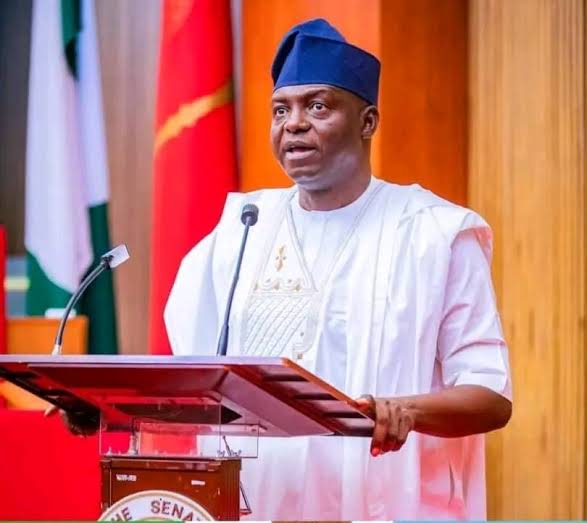
The National Chairman of the All Progressives Congress (APC), Professor Nentawe Yilwatda, has acknowledged concerns over the impact of the Federal Government’s economic reforms on the living conditions of Nigerians.
Yilwatda, who represented President Bola Ahmed Tinubu at a policy roundtable organised by the APC Professional Forum in Abuja on Tuesday, said the administration’s next phase would focus on translating macroeconomic stability into improved living standards for Nigerians.
The APC chairman noted that despite improvements in key economic indicators, including foreign reserves, Gross Domestic Product and relative stability in the foreign exchange market, many Nigerians were still struggling with weak purchasing power.
He said economic growth would have little meaning if its benefits did not reach households.
“A good GDP number does not automatically put food on a family’s table. Stronger reserves do not pay school fees. A stronger stock market does not automatically put money into the pocket of a market woman,” Yilwatda said.
He said the administration had entered what he described as the next phase of the Renewed Hope Agenda, which would focus on increasing food production, creating jobs, reducing inflation, expanding access to affordable credit and improving purchasing power.
“Therefore, we are in the next phase of Renewed Hope which must translate macroeconomic stability into microeconomic prosperity: more food, more jobs, lower inflation, affordable credit, reliable power, more manufacturing, greater exports and stronger purchasing power,” he said.
The APC chairman also warned Nigerians against proposals to reverse the economic reforms implemented by the Tinubu administration, in an apparent reference to opposition presidential candidate Atiku Abubakar’s pledge to restore fuel subsidy if elected president in 2027.
Yilwatda said the 2027 election would present Nigerians with a choice between consolidating the reforms and returning to what he described as the fiscal pressures of the past.
“As we approach 2027, Nigerians will hear many promises. Some will promise to reverse the reforms; others will promise prosperity without confronting the structural problems that brought us here. The question is whether we go backwards or consolidate and improve the progress we have begun,” he said.
He said the APC had chosen to continue with policies focused on infrastructure, investment, productivity, innovation, exports and human capital development.
“For the All Progressives Congress, the answer is clear. We choose progress, productivity, investment, infrastructure, innovation, Nigerian enterprise, exports, human capital, and we choose President Bola Ahmed Tinubu,” he stated.
Yilwatda also endorsed Tinubu’s ambition of growing Nigeria into a $1 trillion economy by 2030, saying the country must develop its industrial, digital, maritime and logistics sectors to achieve the target.
He said the government would continue investing in young Nigerians through programmes such as the Nigeria Education Loan Fund (NELFUND) and the Nigerian Consumer Credit Corporation (CREDICORP).
According to him, such initiatives were not merely social intervention programmes but investments in Nigeria’s productive capacity.
“We are investing in the future of our young people because they are the greatest asset of the Nigerian economy,” he said.
Yilwatda said NELFUND was expanding access to higher education, while skills-development initiatives were preparing young Nigerians for opportunities in the digital economy.
He added that CREDICORP was expanding access to responsible credit for workers, entrepreneurs and businesses to acquire productive assets, grow enterprises and create jobs.
The APC chairman maintained that the foundation for economic recovery had been laid, but stressed that the government must now ensure that improved economic indicators translate into tangible benefits for ordinary Nigerians.
“The foundation has been laid. The opportunity is before us. The work has begun. Now we must take Nigeria from reform to results, from results to growth, from growth to prosperity, and from prosperity to a $1 trillion economy by 2030,” he said.


 Follow Us on Google Discover



2027: I will review NELFUND, offer debt forgiveness to Nigerian students – Atiku vows

Yuguda warns Nigerians against Atiku’s promise to restore fuel subsidy, says its a political bait

Strong GDP, Reserves don’t put food on Nigerians’ tables – APC Chairman

2027: APC chieftain resigns, rejects support for Tinubu, Bauchi Governorship candidate

Two Kwara lawmakers lose seats after dumping APC for PDP

Gabriel Jesus joins Barcelona from Arsenal until 2029

BREAKING: PDP Chieftain Daniel Osi Orbih passes away

Panic in Kwara as two-storey building collapses, traps eight

2027: Major Jack picked as Chinda’s running mate in Rivers

Super Eagles Coach Chelle picks two assistants for U-23 team

Court nullifies APC Zamfara North Senatorial primary, orders fresh election

Court sentences killer of Tupac, 30 years after rappers killing

How security forces rescued 15 NYSC members, six others from Kogi kidnappers – Police

On LG Autonomy: I will send funds directly to LGs from Day 1 in office – Atiku vows

Nnamdi Kanu: IPOB gives FG 14-day ultimatum, threatens 2027 poll boycott

7 Ongoing recruitment opportunities Nigerians shouldn’t miss before deadline (How to apply)

Tinubu spends 261 Days abroad as Presidency’s travel spending hits N37.64bn

FBI files won’t decide 2027 election, Nigerians vote will – Tinubu’s lawyer Afolabi says

BREAKING: Ex-Bayelsa gov Timipre Sylva dumps APC, says party has lost its founding ideals

Sultex, Goddessa exits BBNaija House

Tinubu drags South Africa to African Union over xenophobia

Three killed, many injured as suspected cultists invade Anambra

Wike, Fubara meet for first time after governor gives up second-term bid

BREAKING: Lionel Messi retires from international football

Plateau Gov Mutfwang bans Hisbah activities, orders immediate crackdown

Alleged drug trafficking: Tinubu will be embarrassed at UNGA, won’t meet Trump – US Firrm

‘Nigeria is burning’ – Atiku criticises Tinubu over three-week Europe vacation

Tragedy in Kano as three sisters drown after boat mishap

2027: PDP gains in Yobe as 2,025 opposition members join party
