
Editorials
25 States approve State Police Amendment, meet constitutional threshold

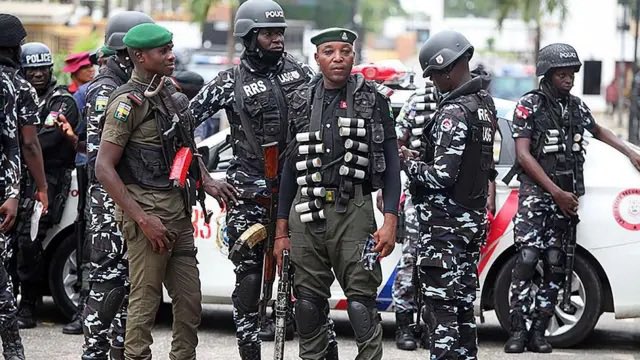
At least 25 state Houses of Assembly have approved the proposed constitutional amendment to establish state police in Nigeria, surpassing the required two-thirds threshold for the reform to proceed to the next stage.
The latest approval brings the number of states supporting the amendment to 25 out of the country’s 36 states, exceeding the minimum requirement of 24 state legislatures under Section 9(2) of the 1999 Constitution.
Abia State is the latest to join the list of states that have endorsed the proposal, according to reports published on Friday, October 23, 2026.
The proposed amendment seeks to create a decentralised policing structure comprising a Federal Police Service and State Police Services, allowing state governments to establish their own police organisations under a national legal framework.
The reform is being pursued amid persistent security challenges across the country, including kidnapping, banditry, terrorism and communal violence.
States That Have Approved the Amendment
The 25 states reported to have approved the proposed constitutional amendment are Adamawa, Akwa Ibom, Anambra, Abia, Bayelsa, Benue, Cross River, Delta, Edo, Ekiti, Enugu, Gombe, Imo, Kaduna, Kebbi, Kwara, Nasarawa, Ogun, Osun, Oyo, Plateau, Rivers, Taraba, Yobe and Zamfara.
The approvals mark a significant development in the constitutional process required to establish state police, although further legislative and administrative steps remain before state police services can begin operating.
States Yet to Complete the Process
Several states are still at different stages of considering the proposal.
Kano State has been listed as awaiting plenary consideration, while Bauchi and Katsina are undergoing committee review.
Borno, Ebonyi, Kogi, Ondo and Sokoto have been listed as having received the proposal but without publicly confirmed approval in the earlier compilation. Jigawa, Lagos and Niger were also listed as having no public update at the time.
The status of these states may change as their respective assemblies deliberate on the proposed amendment.
What Happens Next?
With the required two-thirds threshold reportedly achieved, the constitutional amendment can proceed through the remaining stages of the legislative process.
The state assemblies’ resolutions must be formally collated and communicated to the National Assembly for confirmation before the amendment can proceed towards presidential assent in accordance with the constitutional process.
Separately, the Federal Government is developing the legislative framework required to regulate the proposed policing system.
On October 19, the Presidential Working Group on the National Policing Bill submitted the draft National Policing Bill, 2026, and 29 consequential amendment bills to the Federal Ministry of Justice for legislative drafting review and validation.
The ministry is expected to return the reviewed documents to the working group by October 30, after which the group will give them final consideration before presenting them to President Bola Tinubu. The proposal is intended to establish the legal framework for a dual policing structure involving federal and state police services.
Following the completion of the necessary constitutional and legislative processes, states seeking to establish their own police services would also need to enact state-specific laws in line with the national framework.
The proposed system envisages minimum national standards, certification, oversight and accountability mechanisms. Under the outlined framework, a state police service would not begin operations until the relevant state meets the required standards and obtains certification.
Security Reform Still Requires Safeguards
Supporters of state police argue that decentralising policing could improve intelligence gathering, strengthen community engagement and enable faster responses to local security threats.
However, implementation will require clear safeguards to protect the independence and professionalism of state police officers, prevent political abuse and ensure that policing services remain accountable to the law.
Funding, recruitment standards, operational coordination and the relationship between federal and state police services will also be central to the success of the proposed arrangement.
Although the reported approvals represent an important milestone, the establishment of operational state police services will depend on the completion of the remaining constitutional, legislative and administrative requirements.
The immediate development is that the proposal has reportedly crossed the two-thirds state assembly threshold. The next challenge will be translating that legislative support into a workable policing framework capable of addressing Nigeria’s security needs while protecting citizens’ rights.


 Follow Us on Google Discover











25 States approve State Police Amendment, meet constitutional threshold

When Presidency rotates to Southeast, it cannot be an Anambra man – Umahi shades Obi

‘How does jumping relate to governance?’ – APM Chieftain questions Makinde

Tinubu’s Gov’t only about him, his wife, son and bank account; ‘Renewed Hope’ Is ‘Renewed Hunger’ — Emir of Katsina

Flamingos battle Korea DPR for U-17 World Cup round of 16 spot

Presidential campaign: Kaduna Police restrict heavy-duty vehicles ahead of Tinubu’s visit

One killed, three rescued as building collapses in Lagos

Appeal Court rejects EFCC bid to challenge bank account ruling against Aisha Achimugu at Supreme Court

Cross River: One dead, several injured in stampede at First Lady’s empowerment programme

Late Afenifere leader, Pa Reuben Fasoranti to be buried December 17

Reps urge FG to begin Oron-Calabar road project 12 years after approval

10 things you never knew about late Nollywood veteran, Francis Duru

BREAKING: Veteran Nollywood actor Francis Duru is dead

FIFA takes over NFF affairs, approves normalisation committee ahead of fresh elections

Sultan of Sokoto meets Tinubu, calls for peaceful elections

Seven-Up opens recruitment for 17 positions across Nigeria – Apply Now

Backend Office HQ announces 9 job openings with salaries of up to ₦400,000 – Apply Now

CDCFIB Recruitment: Portal opens October 28 for shortlisted candidates

‘Politics Is Not Madness’: Emir of Katsina warns Tinubu Campaign DG Yari
10 things you never knew about late Nollywood veteran, Francis Duru

Seven-year-old boy found dead after suspected kidnappers demand N2.5m ransom in Plateau

2027: He is a ‘wole wole’ man – APC National Secretary questions Atiku’s ability to fix Nigeria’s economy

History and service have kept us intertwined – Tinubu celebrates Kwankwaso at 70

Oyebanji appoints four officials, swears in SSG, chief of staff in Ekiti
BREAKING: Veteran Nollywood actor Francis Duru is dead

Tinubu meets NELFUND Chairman Jim Ovia at Aso Rock

‘Where is my house?’ – Ortom questions Alia over denial of ex-governor’s benefits

UCL: Man United suffer 4-1 defeat to Como as pressure mounts on Carrick

Ebola: Akwa-Ibom govt intensifies surveillance after confirmed case in Abuja
