
News
Corruption investigations ongoing against high-profile politicians — Code of Conduct Bureau

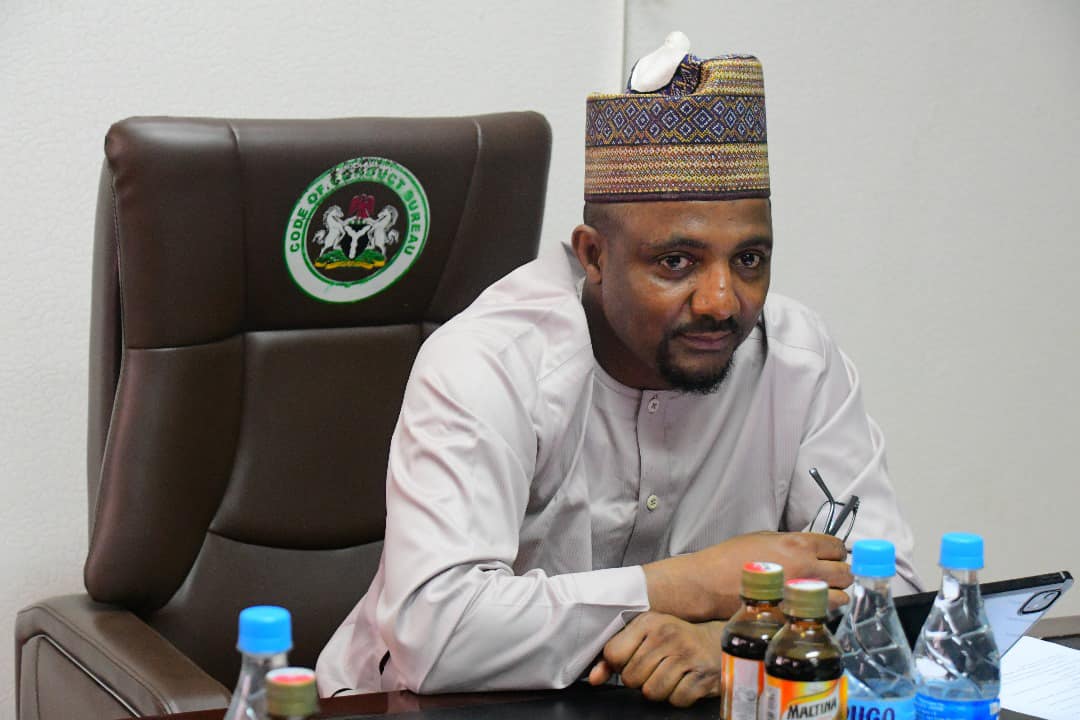
The Code of Conduct Bureau (CCB) has confirmed that corruption investigations are currently ongoing against former ministers, serving senior government officials and other high-ranking public office holders at both the federal and state levels.
Chairman of the bureau, Abubakar Bello, disclosed this on Sunday during an interview with the News Agency of Nigeria (NAN), noting that some of the cases involve individuals wielding significant political influence.
According to Bello, the bureau has already taken at least one former minister to court, while investigations are ongoing against another former minister and a serving top government official.
He explained that the bureau deliberately refrains from naming suspects at the investigation stage to avoid what he described as “media trials”.
He revealed that the CCB has also secured interim forfeiture orders from the courts in several cases and recorded recoveries linked to local government chairmen and senior state officials.
Bello dismissed claims that Nigeria’s anti-corruption efforts only target low-level offenders, insisting that politically exposed persons are not shielded from scrutiny.
The CCB chairman maintained that all investigations are conducted strictly in accordance with the law and without external pressure, stressing that the bureau does not operate based on public sentiment or political considerations.
Explaining the bureau’s cautious approach to publicity, Bello warned that premature media exposure of corruption allegations could permanently damage reputations, even when investigations later prove the accused innocent. Drawing from his experience at the Economic and Financial Crimes Commission (EFCC), he said many petitions received by anti-graft agencies are sometimes frivolous and unsubstantiated.
Bello identified asset declaration as the bureau’s primary tool for detecting corruption among public officers, noting that all officials are required to declare their assets at the beginning and end of their tenure. He explained that unexplained increases in wealth often form the basis for investigations.
“If a public officer declares N10 million at the start of his tenure and suddenly ends with N200 million without a clear source, that is where we step in,” he said.
He added that beyond asset verification, petitions and allegations from members of the public also serve as triggers for investigations.
Responding to Nigeria’s poor showing on global anti-corruption rankings, Bello attributed the challenge to institutional limitations such as inadequate funding, limited manpower and continued reliance on manual systems within anti-graft agencies.


 Follow Us on Google Discover

I fear APC’s internal crisis more than Atiku – Shettima

Why Shettima Insults Atiku: by Farooq Kperogi

Messi’s double fires Inter Miami to 3-1 victory over Atlanta United

Opposition will front a single candidate against Tinubu, announcement will be made few days to election – Lukman

La Liga: Unstoppable Barcelona beat Real Betis 5-2 to extend winning run

EPL: Super Eagles star Iwobi fires Fulham to first league victory

Ogun hospital under fire as Nurse dies of asthma attack amid alleged oxygen failure

Maryam Babangida Center for Women Devt gets first wheel chair ramp after 34 years

Shettima inaugurates Arewa for Asiwaju campaign office in Abuja

2027: ‘APM will beat Tinubu in 12 battleground states’ – Makinde’s campaign team

Veteran Journalist, diplomat Dele Cole dies at 86

Suspended NSCDC commandant apologises over deaths of suspected illegal miners in Niger

EPL: Martinez rushed to hospital after head injury as Chelsea beat Everton

COAS arrives Borno as Military moves to clear terrorist camps, rescue abductees

Macky Sall quits race for UN Secretary-General position

Erisco Foods announces 13 job openings across Nigeria – Apply Now

2027: Step down if you are not working for Tinubu – Deji Adeyanju dares Obi, Kwankwaso

House Officers, Nurses, Radiographers, Others wanted as DELSUTH opens recruitment – Apply Now

Tinubu reappoints Bala Bila as INEC commissioner, nominates six others

2027: Kwankwaso a goat in sheep’s clothing, secretly working for Tinubu – Atiku Campaign Council

33 Governors cannot be wrong in supporting Tinubu – Bayo Onanuga

Security forces arrest five suspects over abduction of 20 NYSC members in Imo

Atiku fully fit, ready to campaign in all 36 states, interact with Nigerians – ADC PCC

2027: ‘Don’t trust your destiny to ‘kalokalo’ people’ – Wike warns Rivers voters against Atiku, Amaechi, Obi

LAUTECH Resident Doctors halt 50-day strike as Makinde intervenes

BREAKING: Oyebanji makes history as first Ekiti Governor to win second consecutive term

2027: ‘I wont join my Uncle to support Tinubu’ – Davido says

2027: Tinubu afraid to face Nigerians, has no business seeking re-election — Atiku campaign council

DSS arrests Maina’s fugitive son in Abuja, hands him over to EFCC