
Editorials
A 20-Minute Trip Now One Hour: Inside Gwagwalada’s traffic nightmare

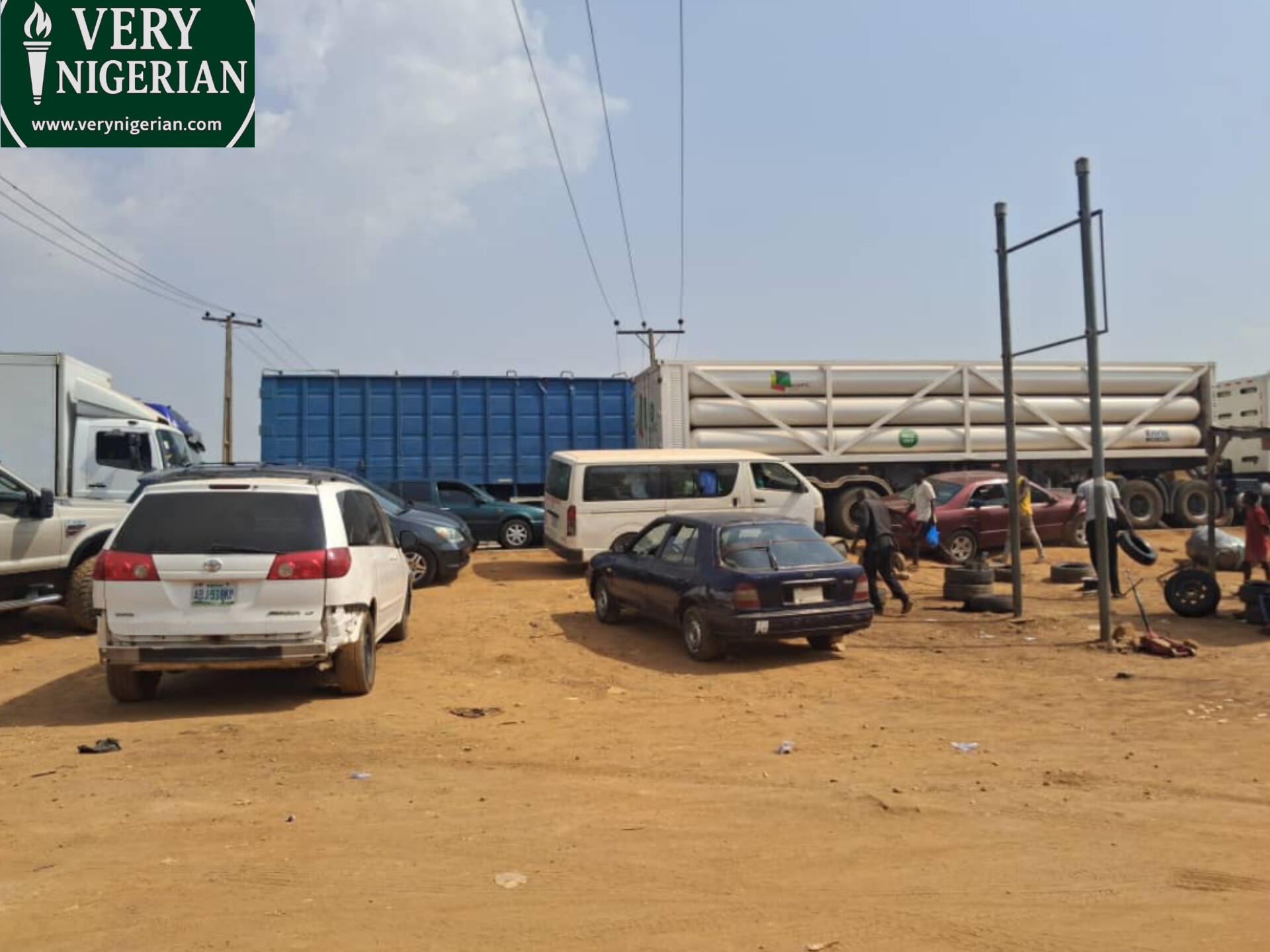
For two straight weeks, the Gwagwalada–Giri corridor, once the lifeline of movement, trade, and daily survival in this fast-growing Abuja suburb, has slipped into paralysis.
What should be an easy 20-minute commute has mutated into a torturous, grinding crawl that stretches beyond an hour.
And as always, it is the ordinary commuter who is paying the price, literally.
From all corners of the community, frustration spills over.
For Mr Samson, a resident who relies on motorcycles to navigate the last stretch home, the sudden fare hike is nothing short of daylight robbery enforced by circumstance.
“I used to pay N400. That was the standard,” he said, visibly exhausted. “Now they want N1,500. Almost four times the price.”
“How is a working man supposed to survive? My salary hasn’t changed.”
It is the simple arithmetic of hardship: infrastructure collapses, travel time multiplies, transport operators lose fuel and hours, and commuters, trapped by necessity, absorb the damage.
Okada riders, already operating on thin margins, insist the old rate is impossible in today’s traffic nightmare.
As Samson put it: “They tell you straight, ‘Oga, I will waste two hours here. N400 can’t cover fuel.’ If you don’t pay, your only option is to trek, risking your life between long trucks and impatient drivers.”
A Community Strangled by Construction
Mrs Elizabeth, a local produce seller, echoed the fear gripping many households.
This is usually her most profitable season, but the bottleneck caused by the bridge construction and forced single-lane diversion has wrecked her operations.
“My goods arrive late. Customers complain every day,” she said.
“How do you make profit when traffic is holding your life hostage?”
She pointed to the skeletal structure of the ongoing project, the confirmed reason for the misery.
The bridge, tied to a new power installation in the area, requires the movement of heavy machinery.
But while government planners focused on engineering needs, they overlooked the human cost.
Reducing the road to one narrow lane, without a functional diversion, has become a costly error in judgment. For two weeks, economic life in Gwagwalada has been slowed to a heartbeat. And with Christmas rush approaching, the situation threatens to deteriorate even further.
Development Without Planning Hurts the Poor
Residents are not opposed to development.
What they oppose is the characteristic Nigerian mismanagement that treats citizens as an afterthought.
A bridge that will not be completed for months has already inflicted pain that will take families time to recover from.
Transport fares have nearly quadrupled. Market deliveries have slowed. Workers are late.
Children trek long distances. Vendors lose income. And the ripple effects continue.
When planning fails, the poor become unwilling financiers of inefficiency.
The Way Forward
This crisis was avoidable. Government agencies ought to prioritise:
- Proper traffic management during construction
- Functional diversions and temporary alternative routes
- Strict timelines with night-time construction windows
- Consultation with residents and commercial operators
- Deployment of safety marshals to ease movement
Gwagwalada’s current condition is not merely a traffic problem, it is a governance problem.
If Abuja is truly a modern capital, it must stop making development a punishment for the very people it is meant to serve.


 Follow Us on Google Discover







Opposition will front a single candidate against Tinubu, announcement will be made few days to election – Lukman

La Liga: Unstoppable Barcelona beat Real Betis 5-2 to extend winning run

EPL: Super Eagles star Iwobi fires Fulham to first league victory

Ogun hospital under fire as Nurse dies of asthma attack amid alleged oxygen failure

Maryam Babangida Center for Women Devt gets first wheel chair ramp after 34 years

Shettima inaugurates Arewa for Asiwaju campaign office in Abuja

2027: ‘APM will beat Tinubu in 12 battleground states’ – Makinde’s campaign team

Veteran Journalist, diplomat Dele Cole dies at 86

Suspended NSCDC commandant apologises over deaths of suspected illegal miners in Niger

EPL: Martinez rushed to hospital after head injury as Chelsea beat Everton

COAS arrives Borno as Military moves to clear terrorist camps, rescue abductees

Macky Sall quits race for UN Secretary-General position

Buhari backed Osinbajo’s presidential ambition four times, Akande tells Babachir Lawal

Dr. Benjamins‑Laniyi urges media to amplify women’s leadership, adopt gender‑sensitive reporting

Pope Leo XIV set to leave hospital after lung cancer surgery

Erisco Foods announces 13 job openings across Nigeria – Apply Now

2027: Step down if you are not working for Tinubu – Deji Adeyanju dares Obi, Kwankwaso

House Officers, Nurses, Radiographers, Others wanted as DELSUTH opens recruitment – Apply Now

Tinubu reappoints Bala Bila as INEC commissioner, nominates six others

Elon Musk unveils Tesla’s ‘flying’ car in stunning demonstration

2027: Kwankwaso a goat in sheep’s clothing, secretly working for Tinubu – Atiku Campaign Council

33 Governors cannot be wrong in supporting Tinubu – Bayo Onanuga

2027: Tinubu to miss rallies in over 20 States as APC releases campaign timetable

Atiku fully fit, ready to campaign in all 36 states, interact with Nigerians – ADC PCC

Security forces arrest five suspects over abduction of 20 NYSC members in Imo

Gunmen storm Plateau, kill traditional ruler at residence

Outrage as suspected cultists unveil renovated police post in Rivers

2027: ‘Don’t trust your destiny to ‘kalokalo’ people’ – Wike warns Rivers voters against Atiku, Amaechi, Obi

2027: ‘Atiku, Obi, Duke, Makinde are not threats to Tinubu’, says APC
