World
Algeria end diplomatic relations with UAE amid rising tensions

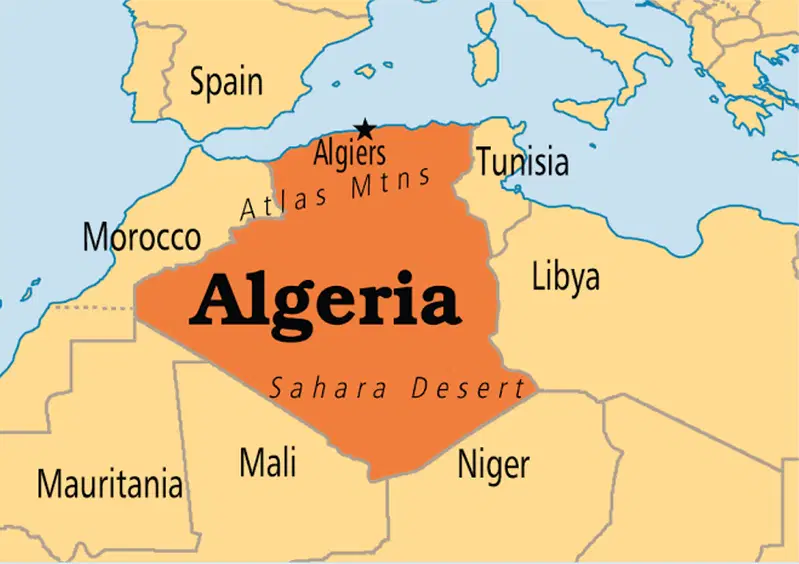
Algeria has announced that it is severing diplomatic relations with the United Arab Emirates (UAE), following years of growing tension between the two countries.
The Algerian government made the announcement on Thursday, accusing Abu Dhabi of interfering in its internal affairs as well as matters affecting the wider region.
In an official statement, Algiers accused the UAE of carrying out “provocative and hostile acts,” although it did not give details of the specific incident that led to the latest diplomatic break.
Tensions between both countries have increased in recent years, with Algerian President Abdelmadjid Tebboune repeatedly criticising the UAE over its alleged role in regional affairs.
Tebboune has previously described the UAE as a “micro-state” or “statelet” and accused it of attempting to destabilise countries across the region, including Libya, Mali and Sudan.
The latest decision marks a major deterioration in relations between the North African country and the Gulf state.
The North African country, which has signalled for months a diplomatic break, said the decision came “after exhausting all avenues to preserve bilateral relations” with the UAE.
The Emirati foreign ministry later said it hoped the decision would be temporary so as to maintain “fraternal ties” with Algeria.
The Algerian foreign ministry said it had warned Abu Dhabi several times but the UAE “persisted in its actions, reaching a point where they could no longer be considered acceptable or tolerable”.
“Algeria spared no effort to draw the Emirati side’s attention to, and to warn it against, the dire consequences that could result from its regrettable and unjustified conduct,” the ministry said.
In a televised interview in July, Tebboune again lashed out against Abu Dhabi, saying “wherever they set foot, blood flows”.
“We want them to stay away, so that blood does not flow in our country,” he added.
At that time, Tebboune said a diplomatic break “would have happened long ago” had Algeria not sought to avoid “deepening divisions” in the Arab world.
On Thursday, Algiers said it was giving the UAE ambassador 48 hours “to comply with the decision”.
Tensions between the two countries have been fuelled by several developments in recent years.
In the Sahel, Algeria was “striving to maintain some semblance of stability”, whereas “the UAE was working directly counter to that”, said Geoff Porter, an analyst with the North Africa Risk Consulting group.
“Algeria viewed the UAE’s interference in North African and Sahelian affairs as not only contrary to Algeria’s foreign policy principles, but as an indirect threat to Algerian security,” he added.
Porter cited as points of contention Abu Dhabi’s support for eastern Libya’s military leader Khalifa Haftar, the backing of the Rapid Support Forces in Sudan, and a drone base in Mauritania, which neighbours Algeria.
Last year, Algerian state television denounced what it called a hostile media campaign after UAE-based broadcaster Sky News Arabia aired an interview with historian Mohamed Amine Belghit, who made controversial remarks questioning the existence of Algeria’s indigenous Amazigh culture.
Belghit was jailed in Algeria but later pardoned by Tebboune.
Further divisions between Algiers and Abu Dhabi also stemmed from diverging diplomatic policies, including the UAE’s normalisation of ties with Israel in 2020.


 Follow Us on Google Discover








‘You are living in political fantasy’ – Presidency mocks Obi over 2023 election victory claim

Premier League unveils seven-match boxing day schedule

Algeria end diplomatic relations with UAE amid rising tensions

US strengthens Nigerian Air Force with fresh military equipments

2027: Nigeria of today not suitable for you, go home and rest, we will take care of you – Kwankwaso to Atiku

Dangote Refinery IPO: Full list of 32 approved banks, fintechs, operators to buy shares

FG announces free daily 100mb data for Nigerian students from October 1

Nollywood Actress Tope Osoba laid to rest in Ogun
Dangote refinery IPO could push Nigeria’s GDP to $600bn by 2030 – Rewane

Fire breaks out at Abuja train station, no casualties recorded

NNPC to establish 70 smart energy stations across Nigeria

First Lady launches South-East community food bank in Anambra

Kara bridge repairs trigger heavy traffic on Lagos-Ibadan expressway

FG fulfils promise, pays D’Tigress players $100,000 each for historic afrobasket triumph

Customs intercepts drones, narcotics worth N43.5bn at Lagos port

More trouble for Tinubu as US Court accepts Lobby Firm’s motion, supplemental evidence in alleged drug case

‘Chinese syndicates establish fake product factories in Nigeria’ – NAFDAC

G-100 opposition consensus plan faces hurdles as Atiku, Obi, Makinde insist on 2027 ambitions

Seriake Dickson: I belong to NDC, not Obidient nor Kwankwasiyya

Peter Obi gains ground in Delta as over 1,000 APC members join NDC

2027: Wike, Chinda, Rivers coalition stakeholders hold strategic meeting in Spain

Panic as container truck crashes into broken-down LAWMA truck in Lagos
Jubilation as FG settles 8-month CATA allowance for University, Polytechnic lecturers

2027: ‘I want to enjoy a better Nigeria in old age, re-elect my husband – Remi Tinubu

NNPCL, oil firms face Reps probe over ₦432bn NMDPRA debt

Like Tinubu, APC chairman Yilwatda jets out of Nigeria for two-week vacation

Trump reportedly gifts three White House aides $45,000 each

2027: Why I refuse to step down for Atiku – Peter Obi

NDC Legislators demand probe of Peter Obi’s blockade in Benue
