
News
Bandits can be tracked if security agencies are willing – Buratai

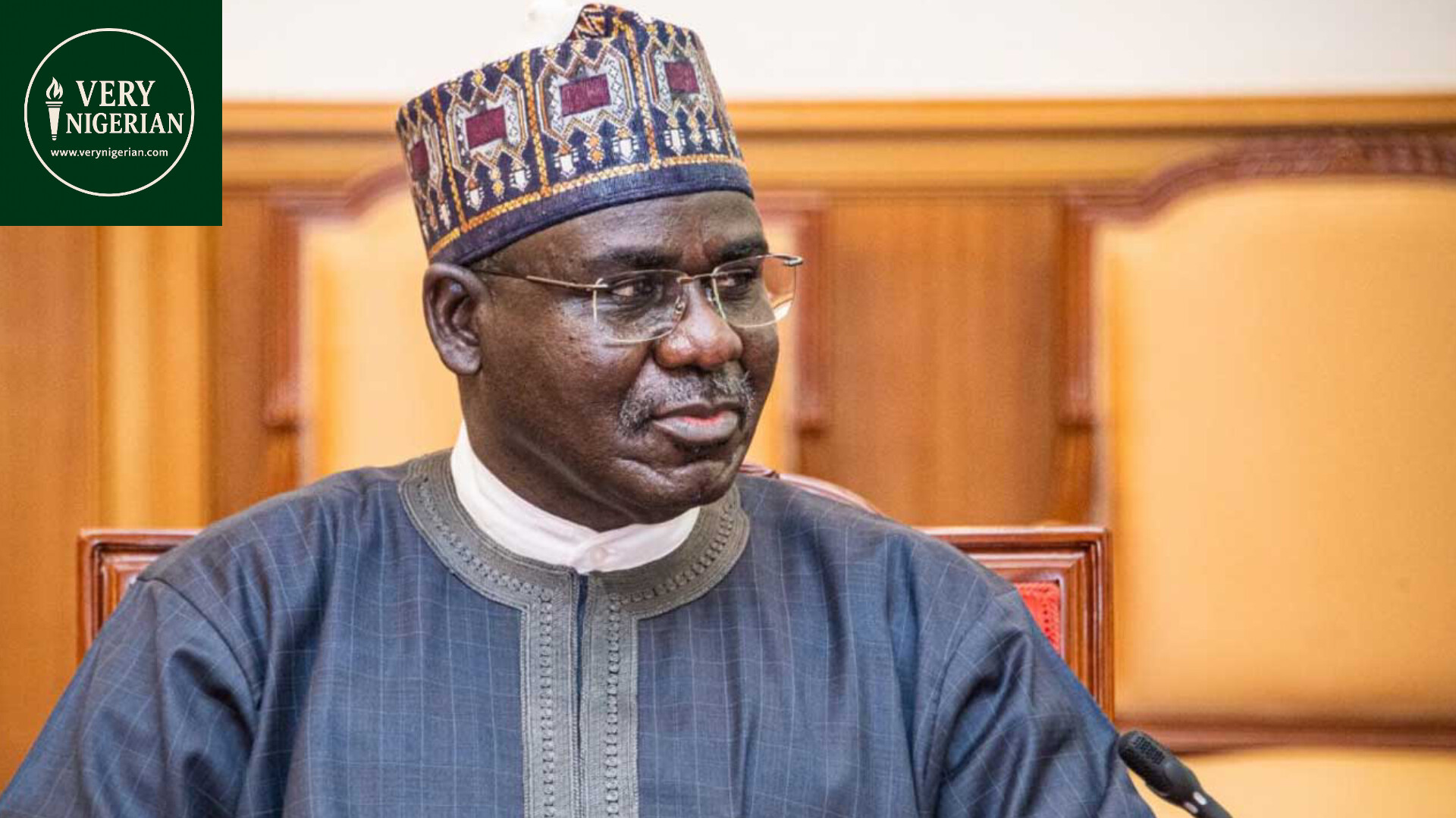
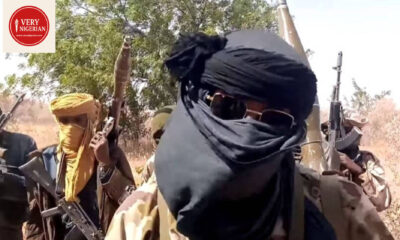
Former Chief of Army Staff, Tukur Buratai, has challenged claims that security agencies are unable to locate bandits and kidnappers who openly share videos and communicate from their hideouts across Nigeria.
Buratai, who also previously served as Nigeria’s Ambassador to Benin Republic, said he believes security agencies have the capacity to track such criminals despite growing public concerns over their operational reach.
He made the remarks during an interview on TVC on Monday, while reacting to the increasing use of social media by criminal groups to showcase their activities.
“I don’t think they failed to locate. If they can locate ordinary citizens or social media influencers, I don’t believe they cannot locate these bandits that flaunt their loot or whatever activities they do,” he said.
The former army chief, however, said he would not conclude that the issue is one of capacity failure, suggesting that security agencies may have operational reasons for their approach.
“I would not like to say it is a capacity-building challenge, but I think they may have their reasons,” he added.
Buratai emphasised the need for stronger investment in Nigeria’s security architecture, including continuous training, recruitment, and improved welfare for personnel.
“There must be capacity building of all the security agencies, and continuously. We need more operatives. We need more troops, more policemen,” he said.
He also stressed the importance of proper welfare and accommodation for security personnel to improve efficiency and morale.
On Nigeria’s counter-terrorism structure, Buratai noted that specialised military units such as the Nigerian Army Special Forces and the Navy’s Special Boat Service are trained for high-risk operations, including rescue missions.
He added that operational decisions in kidnapping cases often depend on location, intelligence, and the need to avoid collateral damage.
Buratai further called for the expansion of the National Counter Terrorism Centre under the Office of the National Security Adviser, suggesting that state-level branches equipped with modern technology and command centres would significantly improve coordination and response to insecurity.


 Follow Us on Google Discover





Pope Leo XIV set to leave hospital after lung cancer surgery

Gunmen kill four vigilantes in Plateau community

Tension as traditional ruler collapses, dies in Ondo

2027: Kwankwaso a goat in sheep’s clothing, secretly working for Tinubu – Atiku Campaign Council

DSS arrests Maina’s fugitive son in Abuja, hands him over to EFCC

2027: Step down if you are not working for Tinubu – Deji Adeyanju dares Obi, Kwankwaso

2027: ‘I wont join my Uncle to support Tinubu’ – Davido says

Enugu NYSC death: NAFDAC debunks claims linking corps members death to fake drugs

33 Governors cannot be wrong in supporting Tinubu – Bayo Onanuga

Security forces arrest five suspects over abduction of 20 NYSC members in Imo

Rugby star Hyron Andrews dies at 31 after accidental fall in South Africa

LAUTECH Resident Doctors halt 50-day strike as Makinde intervenes

House Officers, Nurses, Radiographers, Others wanted as DELSUTH opens recruitment – Apply Now

FG raises health fund allocation to N40.76bn, extends insurance to prison inmates

Erisco Foods announces 13 job openings across Nigeria – Apply Now
Erisco Foods announces 13 job openings across Nigeria – Apply Now

Ex-Senator Bello Mandiya’s body found in Abuja home three days after he slipped, hit his head in the bathroom
‘You Betrayed Osun People’ — Adeleke, Davido face backlash over support for Tinubu

Tinubu reappoints Bala Bila as INEC commissioner, nominates six others
House Officers, Nurses, Radiographers, Others wanted as DELSUTH opens recruitment – Apply Now

‘I love Islam, I’ve sent people to Mecca to pray for me, Nigeria for 25 years’ – Akpabio

Over 10 soldiers, four civilians feared dead as Boko Haram terrorists attack Borno military base

Panic in Rivers community as pipeline explosion injures 20, razes over 50 houses

Umahi reopens first Niger bridge after emergency repairs, displays Tinubu’s photos

Elon Musk unveils Tesla’s ‘flying’ car in stunning demonstration
2027: Step down if you are not working for Tinubu – Deji Adeyanju dares Obi, Kwankwaso

2027: Tinubu to miss rallies in over 20 States as APC releases campaign timetable

Tension mounts as NLC rejects FG’s response to 14-day ultimatum

‘No plan to raise electricity tariff’ – FG assures Nigerians
