Business News
BREAKING: CBN lifts deposit limit, raises weekly withdrawal cap to N500,000

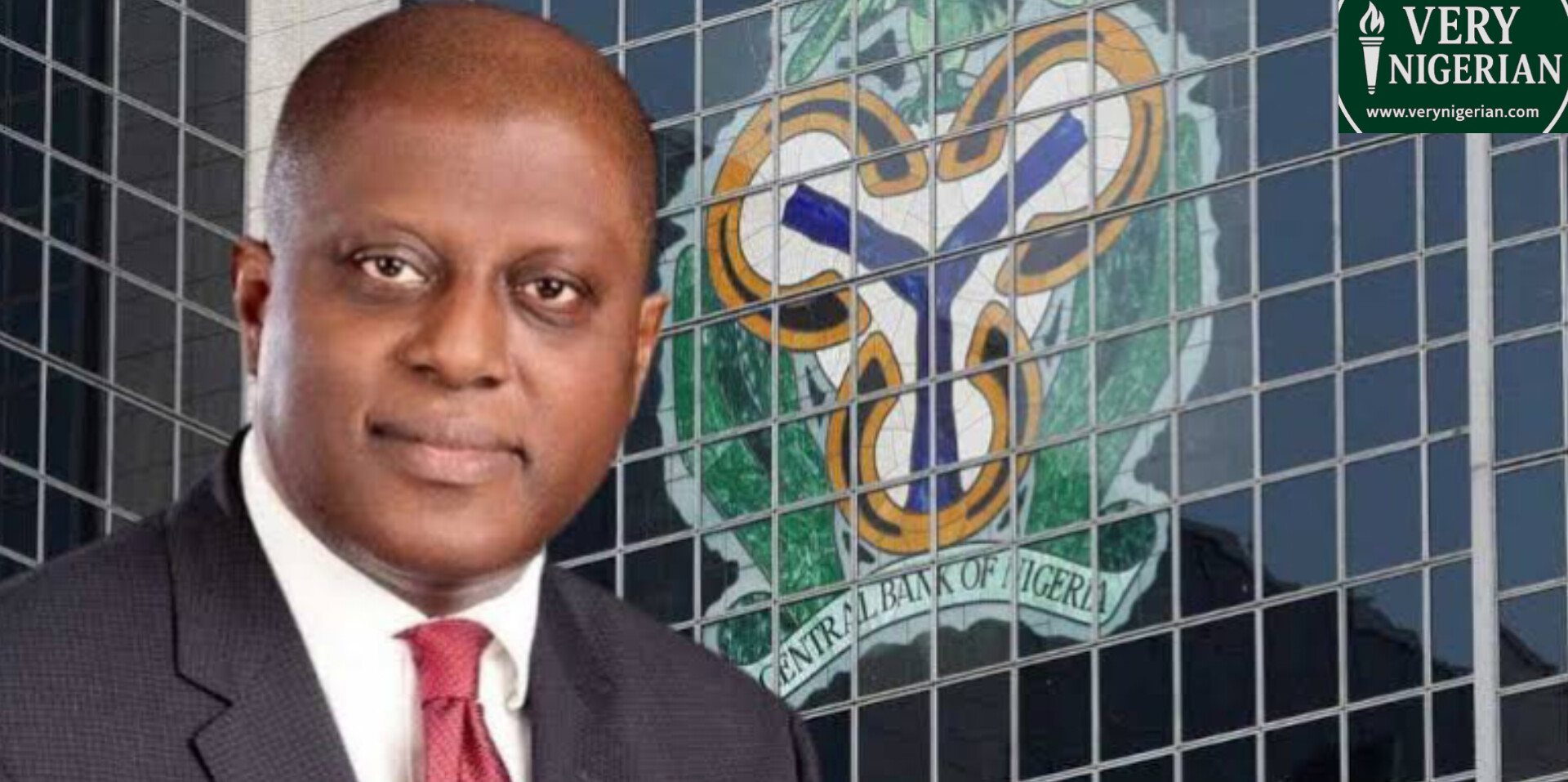
The Central Bank of Nigeria (CBN) has announced major adjustments to the nation’s cash-handling regulations, removing the limit on cash deposits and raising the weekly cash withdrawal ceiling across all channels to N500,000, up from N100,000.
The new policy was contained in a circular titled “Revised Cash-Related Policies” and signed by Dr. Rita Sike, Director of the Financial Policy & Regulation Department.
According to the apex bank, the revision is part of ongoing efforts to reduce the rising cost of cash management, tackle security concerns, and minimise money laundering risks linked to Nigeria’s heavy reliance on physical cash.
The CBN explained that while earlier cash-related directives were introduced to push Nigerians toward electronic payment systems, evolving realities have made a review necessary.
Effective January 1, 2026, several major changes will take effect.
The CBN has removed the cumulative deposit limit, meaning customers can now deposit any amount without paying the previously imposed penalty for excess deposits.
The bank also announced a significant revision to the withdrawal framework: individuals can now withdraw up to N500,000 weekly, while corporate bodies can withdraw N5 million weekly across all channels.
Withdrawals beyond these limits will attract excess withdrawal charges in line with the circular.
The special monthly dispensation that allowed individuals to withdraw N5 million and corporates N10 million has been abolished.
ATM withdrawals remain restricted to N100,000 daily, with a total cap of N500,000 weekly, counting as part of the overall withdrawal limit.
Fees for exceeding the new withdrawal thresholds have been set at 3% for individuals and 5% for corporates, shared between the CBN and banks in a 40:60 ratio.
Banks have also been instructed to load all denominations in ATMs. Meanwhile, the limit on third-party cheque encashment remains at N100,000, and such withdrawals will count toward the weekly total.
In addition, banks must submit monthly compliance reports to supervisory departments including Banking Supervision, Other Financial Institutions Supervision, and Payments System Supervision.
Very Nigerian also reports that the CBN noted that government revenue accounts at all tiers, as well as the accounts of microfinance banks and primary mortgage banks held with commercial and non-interest banks, are exempted.
However, it removed the longstanding exemption previously granted to embassies, diplomatic missions, and aid-donor agencies.


 Follow Us on Google Discover






Tension as traditional ruler collapses, dies in Ondo

2027: Kwankwaso a goat in sheep’s clothing, secretly working for Tinubu – Atiku Campaign Council

DSS arrests Maina’s fugitive son in Abuja, hands him over to EFCC

2027: Step down if you are not working for Tinubu – Deji Adeyanju dares Obi, Kwankwaso

2027: ‘I wont join my Uncle to support Tinubu’ – Davido says

Enugu NYSC death: NAFDAC debunks claims linking corps members death to fake drugs

33 Governors cannot be wrong in supporting Tinubu – Bayo Onanuga

Security forces arrest five suspects over abduction of 20 NYSC members in Imo

Rugby star Hyron Andrews dies at 31 after accidental fall in South Africa

LAUTECH Resident Doctors halt 50-day strike as Makinde intervenes

House Officers, Nurses, Radiographers, Others wanted as DELSUTH opens recruitment – Apply Now

FG raises health fund allocation to N40.76bn, extends insurance to prison inmates

Erisco Foods announces 13 job openings across Nigeria – Apply Now

Tinubu reappoints Bala Bila as INEC commissioner, nominates six others

2027: ‘Don’t trust your destiny to ‘kalokalo’ people’ – Wike warns Rivers voters against Atiku, Amaechi, Obi
Erisco Foods announces 13 job openings across Nigeria – Apply Now
‘You Betrayed Osun People’ — Adeleke, Davido face backlash over support for Tinubu

Ex-Senator Bello Mandiya’s body found in Abuja home three days after he slipped, hit his head in the bathroom
Tinubu reappoints Bala Bila as INEC commissioner, nominates six others

JUST IN: Finnish Appeal Court reduces Simon Ekpa’s jail term to four years, upholds terrorism conviction

‘I love Islam, I’ve sent people to Mecca to pray for me, Nigeria for 25 years’ – Akpabio

Zamfara govt set to empower 36,176 residents with Dangote shares

Over 10 soldiers, four civilians feared dead as Boko Haram terrorists attack Borno military base
House Officers, Nurses, Radiographers, Others wanted as DELSUTH opens recruitment – Apply Now

Umahi reopens first Niger bridge after emergency repairs, displays Tinubu’s photos

Panic in Rivers community as pipeline explosion injures 20, razes over 50 houses

Tension escalates as thugs attack NDC secretariat in Edo, destroy properties

Lagos govt announces 3-day traffic diversion on Independence bridge for emergency repairs

Elon Musk unveils Tesla’s ‘flying’ car in stunning demonstration
