
News
BREAKING: Gas explosions rock Lagos, Calabar, leave two dead, properties destroyed

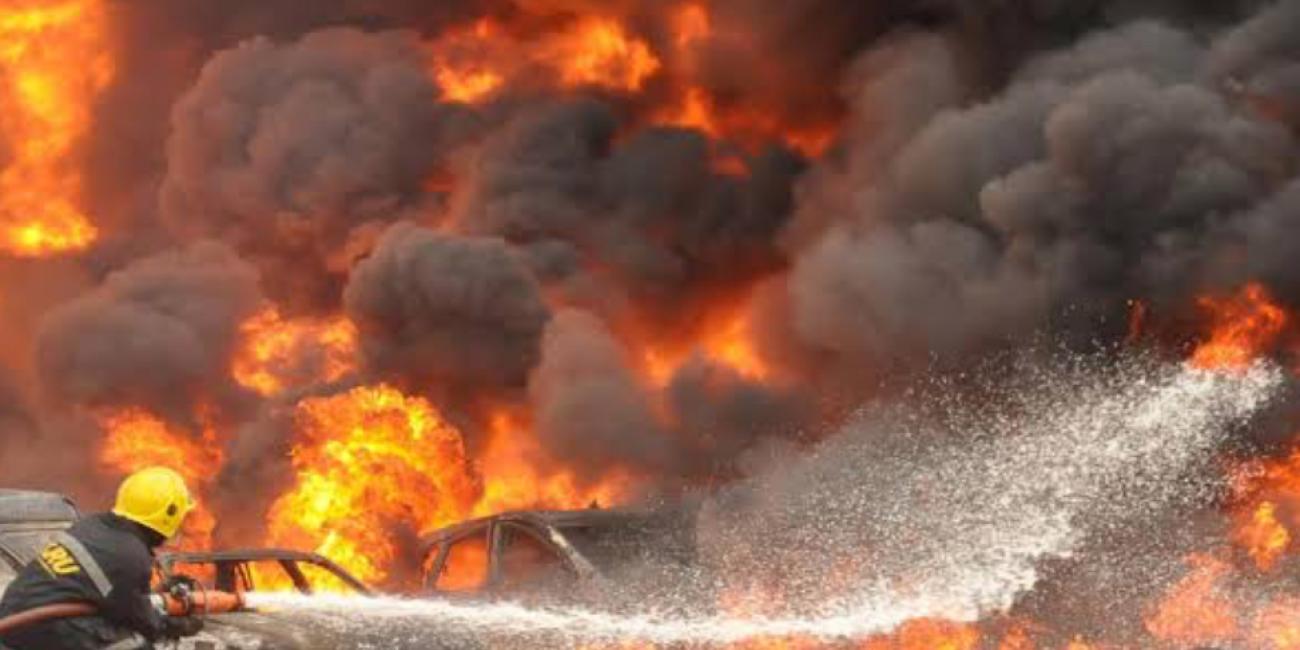
At least two people have been confirmed dead, with several others injured, following two separate gas-related explosions in southern Nigeria on Saturday, raising fresh concerns over safety standards and emergency response failures.
In Calabar, a gas explosion occurred at Fomex filling station along Edibe Edibe Road in Calabar South Local Government Area at about 9:40 a.m., sending shockwaves across nearby communities.
Eyewitnesses said the blast was so intense that it rattled buildings in the vicinity, with many residents initially mistaking it for a bomb explosion. Although no fatalities were recorded at the time, residents criticised what they described as a delayed response by emergency services, alleging that both federal and state fire services failed to arrive nearly an hour after the incident.
The fire service unit of the University of Calabar was later contacted to assist in containing the situation. The state Commissioner of Police, Rashid Agegbua, visited the scene for an on-the-spot assessment.
Meanwhile, in Lagos, a separate tragedy unfolded in the early hours of the day when a gas-laden truck exploded along the Lekki-Epe Expressway in the Sangotedo area, claiming the lives of two men.
The victims, a tipper driver and his assistant, were burnt beyond recognition after their vehicle rammed into a stationary truck carrying gas around 2:00 a.m., triggering a massive explosion.
According to the Lagos State Fire and Rescue Service, the resulting inferno spread rapidly, engulfing three warehouses and about ten roadside shops, including a gym and a generator house. Several vehicles, including buses and a car, were also destroyed.
Emergency responders from multiple fire stations were deployed and eventually brought the fire under control, preventing further escalation. Authorities confirmed that the driver of the gas truck escaped unhurt.
The twin incidents have once again highlighted the persistent dangers associated with the transportation and handling of petroleum products in Nigeria, as well as recurring lapses in safety enforcement and emergency response systems.


 Follow Us on Google Discover










Opposition will front a single candidate against Tinubu, announcement will be made few days to election – Lukman

La Liga: Unstoppable Barcelona beat Real Betis 5-2 to extend winning run

EPL: Super Eagles star Iwobi fires Fulham to first league victory

Ogun hospital under fire as Nurse dies of asthma attack amid alleged oxygen failure

Maryam Babangida Center for Women Devt gets first wheel chair ramp after 34 years

Shettima inaugurates Arewa for Asiwaju campaign office in Abuja

2027: ‘APM will beat Tinubu in 12 battleground states’ – Makinde’s campaign team

Veteran Journalist, diplomat Dele Cole dies at 86

Suspended NSCDC commandant apologises over deaths of suspected illegal miners in Niger

EPL: Martinez rushed to hospital after head injury as Chelsea beat Everton

COAS arrives Borno as Military moves to clear terrorist camps, rescue abductees

Macky Sall quits race for UN Secretary-General position

Buhari backed Osinbajo’s presidential ambition four times, Akande tells Babachir Lawal

Dr. Benjamins‑Laniyi urges media to amplify women’s leadership, adopt gender‑sensitive reporting

Pope Leo XIV set to leave hospital after lung cancer surgery

Erisco Foods announces 13 job openings across Nigeria – Apply Now

2027: Step down if you are not working for Tinubu – Deji Adeyanju dares Obi, Kwankwaso

House Officers, Nurses, Radiographers, Others wanted as DELSUTH opens recruitment – Apply Now

Tinubu reappoints Bala Bila as INEC commissioner, nominates six others

Elon Musk unveils Tesla’s ‘flying’ car in stunning demonstration

2027: Kwankwaso a goat in sheep’s clothing, secretly working for Tinubu – Atiku Campaign Council

2027: Tinubu to miss rallies in over 20 States as APC releases campaign timetable

33 Governors cannot be wrong in supporting Tinubu – Bayo Onanuga

Atiku fully fit, ready to campaign in all 36 states, interact with Nigerians – ADC PCC

Gunmen storm Plateau, kill traditional ruler at residence

2027: ‘Atiku, Obi, Duke, Makinde are not threats to Tinubu’, says APC

2027: ‘Don’t trust your destiny to ‘kalokalo’ people’ – Wike warns Rivers voters against Atiku, Amaechi, Obi

Outrage as suspected cultists unveil renovated police post in Rivers

BREAKING: Oyebanji makes history as first Ekiti Governor to win second consecutive term
