
National News
FG okays reuse of textbooks, bans graduation ceremony For Pre-Pry 6, JSS3, SS3 Students

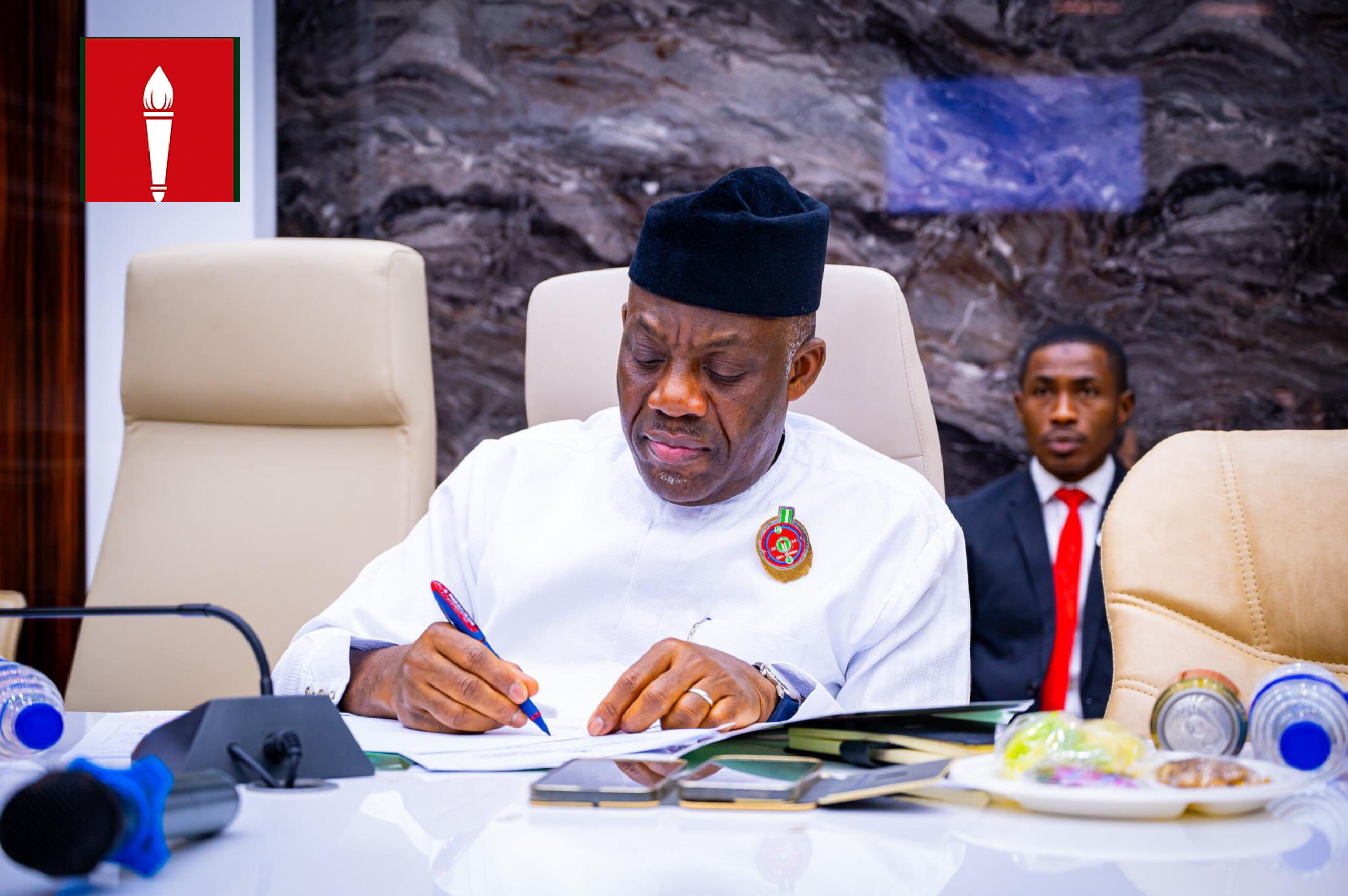
The Federal Government has launched a comprehensive policy framework aimed at reducing the financial burden on parents, improving learning outcomes, and promoting sustainability in schools through the adoption of reusable, high-quality textbooks.
The initiative was jointly unveiled on Friday by Education Minister Maruf Tunji Alausa and Minister of State for Education, Prof. Suiwaba Sai’d, as part of ongoing reforms to reposition the nation’s education sector.
The policy prioritises durable, standardised textbooks designed to last between four and six years, while explicitly prohibiting schools from bundling disposable workbooks with textbooks. This approach allows textbooks to be shared among siblings, significantly lowering recurring education costs and reducing waste in schools.
Under the reforms, the academic calendar has been standardised nationwide to ensure consistency in teaching, learning, and school planning. Graduation ceremonies have also been streamlined, limited to pupils completing Primary 6, Junior Secondary School 3 (JSS3), and Senior Secondary School 3 (SSS3), easing financial pressure on families.
The framework emphasizes structured and meaningful textbook revision cycles, ensuring that updates reflect substantive improvements in content rather than cosmetic changes. This is intended to extend the lifespan of textbooks, offering better value for money.
In addition, the policy limits the number of approved textbooks per subject and grade level, aligning with international best practices observed in countries such as Japan, Kenya, and Tanzania. This measure is expected to improve quality, reduce market saturation, and simplify textbook selection processes for schools and education authorities.
The Nigerian Educational Research and Development Council (NERDC) will maintain a central role in assessing and assuring the quality of instructional materials, ensuring that only curriculum-aligned textbooks are approved for school use.
The ministers commended the Universal Basic Education Commission, NERDC, and other technical partners for their contributions, reiterating the government’s commitment to safeguard educational standards, promote equity, reduce costs for parents, and ensure learners have access to high-quality instructional materials.


 Follow Us on Google Discover










Opposition will front a single candidate against Tinubu, announcement will be made few days to election – Lukman

La Liga: Unstoppable Barcelona beat Real Betis 5-2 to extend winning run

EPL: Super Eagles star Iwobi fires Fulham to first league victory

Ogun hospital under fire as Nurse dies of asthma attack amid alleged oxygen failure

Maryam Babangida Center for Women Devt gets first wheel chair ramp after 34 years

Shettima inaugurates Arewa for Asiwaju campaign office in Abuja

2027: ‘APM will beat Tinubu in 12 battleground states’ – Makinde’s campaign team

Veteran Journalist, diplomat Dele Cole dies at 86

Suspended NSCDC commandant apologises over deaths of suspected illegal miners in Niger

EPL: Martinez rushed to hospital after head injury as Chelsea beat Everton

COAS arrives Borno as Military moves to clear terrorist camps, rescue abductees

Macky Sall quits race for UN Secretary-General position

Buhari backed Osinbajo’s presidential ambition four times, Akande tells Babachir Lawal

Dr. Benjamins‑Laniyi urges media to amplify women’s leadership, adopt gender‑sensitive reporting

Pope Leo XIV set to leave hospital after lung cancer surgery

Erisco Foods announces 13 job openings across Nigeria – Apply Now

2027: Step down if you are not working for Tinubu – Deji Adeyanju dares Obi, Kwankwaso

House Officers, Nurses, Radiographers, Others wanted as DELSUTH opens recruitment – Apply Now

Tinubu reappoints Bala Bila as INEC commissioner, nominates six others

Elon Musk unveils Tesla’s ‘flying’ car in stunning demonstration

2027: Kwankwaso a goat in sheep’s clothing, secretly working for Tinubu – Atiku Campaign Council

2027: Tinubu to miss rallies in over 20 States as APC releases campaign timetable

33 Governors cannot be wrong in supporting Tinubu – Bayo Onanuga

Atiku fully fit, ready to campaign in all 36 states, interact with Nigerians – ADC PCC

Security forces arrest five suspects over abduction of 20 NYSC members in Imo

Gunmen storm Plateau, kill traditional ruler at residence

Outrage as suspected cultists unveil renovated police post in Rivers

2027: ‘Atiku, Obi, Duke, Makinde are not threats to Tinubu’, says APC

2027: ‘Don’t trust your destiny to ‘kalokalo’ people’ – Wike warns Rivers voters against Atiku, Amaechi, Obi
