News
Petrol price hits N1,400/litre as Dangote, NNPCL hikes trigger transport fare surge

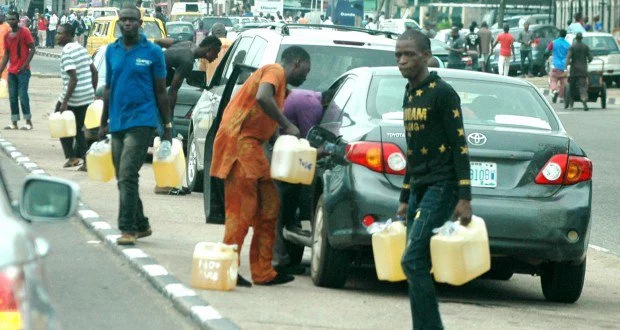
Petrol prices have climbed to as high as ₦1,400 per litre across Nigeria, triggering fresh increases in transport fares and worsening the cost-of-living pressures on households.
The latest hike follows a rise in global crude oil prices and comes days after the Dangote Petroleum Refinery resumed the sale of Premium Motor Spirit (PMS) in naira, increasing its ex-depot price from ₦1,075 to ₦1,215 per litre, a 13.02 per cent increase.
The refinery had suspended petrol sales in naira on July 15 and temporarily switched to dollar pricing, citing difficulties in accessing sufficient crude oil under the Federal Government’s naira-for-crude arrangement. It later resumed naira sales following government intervention.
In a notice to marketers, the refinery stated: “Please be advised that all unloaded gantry volumes will be subject to repricing at the new price, which is effective 22nd July 2026. Kindly proceed with placing your order.”
The increase in the ex-depot price has pushed pump prices to between ₦1,260 and ₦1,400 per litre across the country.
Market data showed petrol selling for about ₦1,300 per litre in Lagos, between ₦1,255 and ₦1,305 in Ilorin, about ₦1,350 in Kaduna, between ₦1,360 and ₦1,370 in Adamawa, and between ₦1,370 and ₦1,390 in Maiduguri.
The Nigerian National Petroleum Company Limited (NNPCL) also adjusted its pump price for the second time in less than 48 hours, raising the price from ₦1,270 to ₦1,335 per litre at its retail outlets in Abuja.
Industry observers attributed the latest increases to rising international crude oil prices, with Brent crude trading above $100 per barrel while the United States benchmark, West Texas Intermediate (WTI), climbed to $92.71 per barrel amid renewed tensions in the Middle East.
The higher crude prices have increased the cost of imported crude and refined petroleum products, prompting marketers to adjust retail prices.
Industry pricing platform Petroleumprice.ng confirmed that Dangote Refinery had resumed selling petrol in naira.
Its Chief Executive Officer, Jeremiah Olatide, said: “Yes, the refinery has returned to pricing its product in naira.”
The increase has already translated into higher transport fares across several states.
In Maiduguri, transport fare from the city to Kano reportedly rose from ₦20,000 to ₦25,000, while commuters in the Federal Capital Territory said transportation now consumes a larger share of their earnings.
Commercial drivers attributed the fare increase to the rising cost of petrol.
Chairman of the Independent Petroleum Marketers Association of Nigeria (IPMAN) in Borno State, Mohammed Kuluwu, said frequent price fluctuations had discouraged many marketers from lifting products.
Energy law expert at the University of Lagos, Prof. Dayo Ayoade, said the increase reflects the realities of Nigeria’s deregulated petroleum market, where domestic fuel prices are largely influenced by global crude oil prices and exchange rate movements.
He added that the Petroleum Industry Act limits direct government intervention in fuel pricing.
Oil and gas analyst Abdullahi Shehu urged the Federal Government to supply crude oil to local refineries in naira at subsidised rates to help reduce petrol prices.
Economist and oil and gas expert, Dr. Marcel Okeke, also warned that continued increases in fuel prices would further compound the economic hardship facing Nigerians.


 Follow Us on Google Discover



Police fire tear gas as fresh cost-of-living protests sweep french cities

Nigerian Army sends 600 Personnel to India for specialised combat training

FCC accuses Customs of bypassing federal character, demands suspension of recruitment training

Peter Obi, Dickson, Babachir Lawal meet as NDC prepares for 2027 Campaign Council

APC accuses Atiku, ADC of plotting AI deepfakes to discredit Kaduna campaign rally

Four pilots killed as two military aircraft collide mid-air in Philippines

‘I want to leave Aso Rock in 2031 to enjoy a better Nigeria’ – Remi Tinubu

Hardship is necessary for better future, Suswam tells Nigerians as he backs Tinubu for 2027

2026 U-17 WWC: Flamingos set to face Mexico, Chile or Australia in round of 16

Anambra woman allegedly killed by ex-boyfriend after breakup

Atiku dares Tinubu to name ministers, appointees involved in alleged bribery

Flamingos beat North Korea 3-1 to reach U-17 WWC knockout stage

EFCC opens portal for 2026 recruitment – Step-by-step guide to apply

Tinubu reinstates Mohammed Danjuma as permanent secretary after suspension

Nigerian Electricity Supply Corporation (NESCO) opens recruitment for five positions – Apply Now

Seven-Up opens recruitment for 17 positions across Nigeria – Apply Now

Backend Office HQ announces 9 job openings with salaries of up to ₦400,000 – Apply Now

Chevron opens recruitment for five console operator positions in Nigeria – Apply

CDCFIB Recruitment: Portal opens October 28 for shortlisted candidates
EFCC opens portal for 2026 recruitment – Step-by-step guide to apply

10 things you never knew about late Nollywood veteran, Francis Duru

‘Politics Is Not Madness’: Emir of Katsina warns Tinubu Campaign DG Yari

EXCLUSIVE: Rainbow Coalition emerges in Ogun Central as Iyabo Obasanjo moves to back Peter Obi

BREAKING: Veteran Nollywood actor Francis Duru is dead

Remi Tinubu, Seyi Tinubu clash over APC Youth leadership appointment

Ebola: Tinubu approves ₦10bn, appoints Gbajabiamila to lead Presidential Task Force

Tinubu’s Gov’t only about him, his wife, son and bank account; ‘Renewed Hope’ Is ‘Renewed Hunger’ — Emir of Katsina

Hardship: NLC, TUC threaten nationwide action, give FG October 27 deadline

‘Every Nigerian made poorer by 300%’ – Obasanjo slams Tinubu reforms