News
Report: National Assembly overtakes Police, emerges least trusted institution in Nigeria

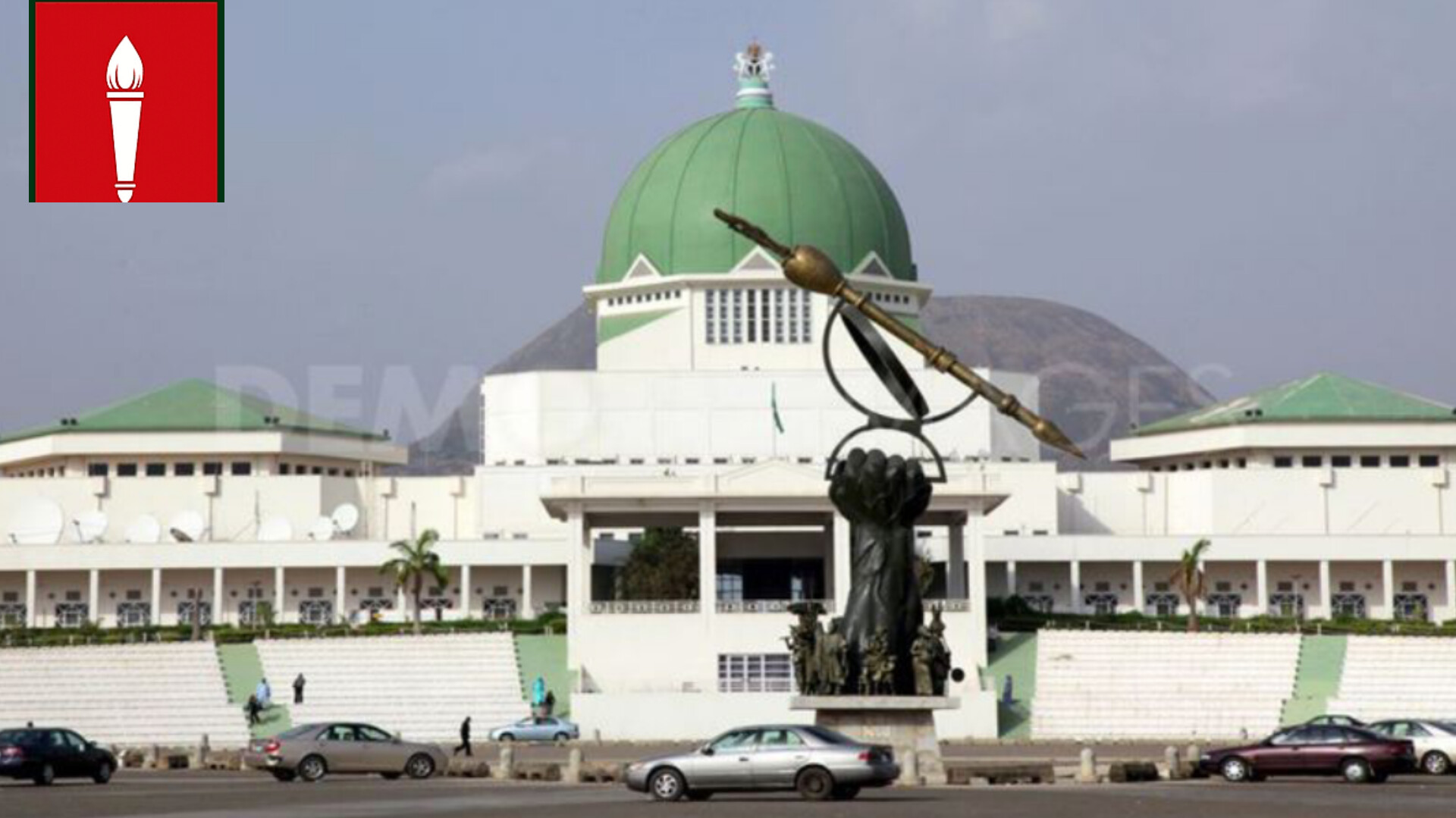
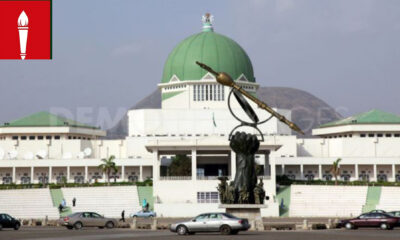
The National Assembly has emerged as Nigeria’s least trusted public institution, overtaking the Nigeria Police Force, according to the newly released 2026 Social Cohesion Report by the Africa Polling Institute (API).
The report, unveiled at the weekend during a National Social Cohesion Dialogue in Abuja, revealed that 77 per cent of Nigerians expressed little or no trust in the National Assembly, placing it at the bottom of the country’s trust rankings.
Presenting the findings, API Executive Director, Prof. Bell Ihua, disclosed that Nigeria’s Social Cohesion Index (NSCI) stood at 48.8 per cent, representing a two-percentage-point improvement from the previous survey and the highest score recorded since the study began. Despite the improvement, the index remains slightly below the 50 per cent benchmark considered indicative of strong social cohesion.
Prof. Ihua said the findings suggest that Nigerians continue to demonstrate resilience and a willingness to coexist despite the country’s economic and social challenges.
The survey also showed that 72 per cent of respondents expressed little or no trust in President Bola Tinubu’s administration, while 73 per cent said they had little confidence in the judiciary.
In contrast, religious and traditional leaders remained the most trusted institutions, with 51 per cent and 45 per cent of respondents respectively expressing significant confidence in them.
The survey was conducted between January and February 2025 with support from the Ford Foundation. API interviewed 5,315 Nigerians aged 15 and above across all states and senatorial districts using face-to-face household interviews conducted in English, Pidgin, Hausa, Igbo and Yoruba.
According to the report, 46 per cent of Nigerians said they are proud to be Nigerians, while 44 per cent identified equally with their ethnic group and Nigerian nationality. Another 29 per cent said they identified more with their ethnic group than with the country.
On civic participation, 71 per cent of respondents said they were willing to make personal sacrifices for Nigeria’s collective good, while 77 per cent expressed readiness to work with people from other ethnic groups to promote national unity.
The report also found strong public support for gender inclusion. About 69 per cent of Nigerians agreed that women should occupy leadership positions in politics and business, while 60 per cent said they would vote for a female presidential candidate.
However, concerns over national unity persist. Nearly 48 per cent of respondents believed Nigeria is more divided today than it was four years ago, with political party affiliation identified as the leading cause of division, followed by ethnic and religious differences.
On migration, 55 per cent of Nigerians said they would relocate abroad with their families if given the opportunity, although 61 per cent remained optimistic that the country’s future would improve.
API recommended the establishment of a National Social Cohesion Commission to promote national unity, inclusive governance, trust in institutions, civic participation and peaceful coexistence.
The institute also called for the creation of Social Cohesion Desks across government ministries, departments and agencies to ensure public policies strengthen national integration and social stability.


 Follow Us on Google Discover








NDLEA nabs 25-year-old newlywed with 72 cocaine wraps at Enugu airport

NECO 2026: Kano emerges best performing state in Nigeria

BREAKING: Panic as explosion hits gas station in Abuja

Woman nabbed for allegedly smuggling alcohol into Ogun prison

Thousands gather at Old Trafford as Pastor Jerry Eze lead prayer in Manchester

ADC suffers fresh defection as former DG Umar Salah joins APC

EFCC nab suspended City Boy Movement women leader, Halimat Tejuosho

Nigeria Open Golf tournament set for grand return after 28-year break

Gunmen kill five miners, injure two in fresh Plateau attack

Guinea Opposition leader Sidya Toure dies at 81

Kenyan President Ruto visits Dangote refinery

Iraq demands US exemption for Iranian airlines after flight disruptions

OK Movement defies NDC Obi, insists its Presidential Campaign Council is still operational

Troops rescue 14 kidnapped victims, arrest three logistics couriers in Katsina

NUJ FCT Chair, Ike urges research investment to tackle oil, gas uncertainty

Anyone praying for fuel subsidy return does not mean well for Nigeria – Alex Otti

NDLEA arraigns KayCee Luxury, two others over alleged 184.5kg cocaine export

Appeal Court affirms two-year jail sentence for ex-Unical Dean, Ndifon

Gunmen kill four, injure two in Niger

My gov’t correcting past mistakes, give me more time to ‘finish the good work’ – Tinubu appeals to Nigerians

‘Produce any corruption conviction against Atiku’ – ADC challenges APC

DisCos record N205.53bn electricity revenue in July – NERC

‘I respect Tinubu, I can never abuse him’ – Peter Obi

ADC hit by fresh crisis as National youth leader Sultan Bello resigns

Workers shut down Delta secretariat over deputy director’s death

‘I never diverted federal road projects to South-East’ – Umahi

Iran offers plan to reopen Strait of Hormuz, US reportedly declines
OK Movement defies NDC Obi, insists its Presidential Campaign Council is still operational

APM urges Tinubu to quit 2027 race, back Makinde
