Special Features
Top 10 rated cultural festivals celebrated in Nigeria

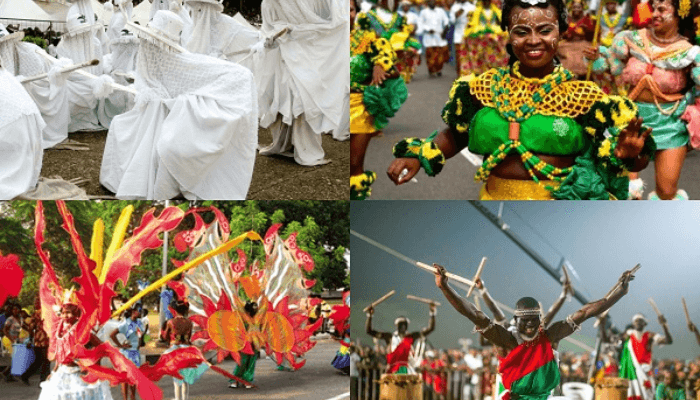
Nigeria’s festivals are windows into the country’s rich culture.
Across the nation, communities celebrate these events to tell their stories, honour their ancestors, thank God for blessings, and pass traditions to younger generations.
With more than 250 ethnic groups and strong traditional customs, festivals remain a key part of social life in Nigeria.
They unite people, attract tourists, boost local economies, and remind Nigerians of their shared identity despite cultural differences.
From lively street carnivals in the south to royal horse parades in the north, these 10 celebrations reflect the true nature of Nigeria’s cultural heritage.
1. Eyo Festival (Lagos State)
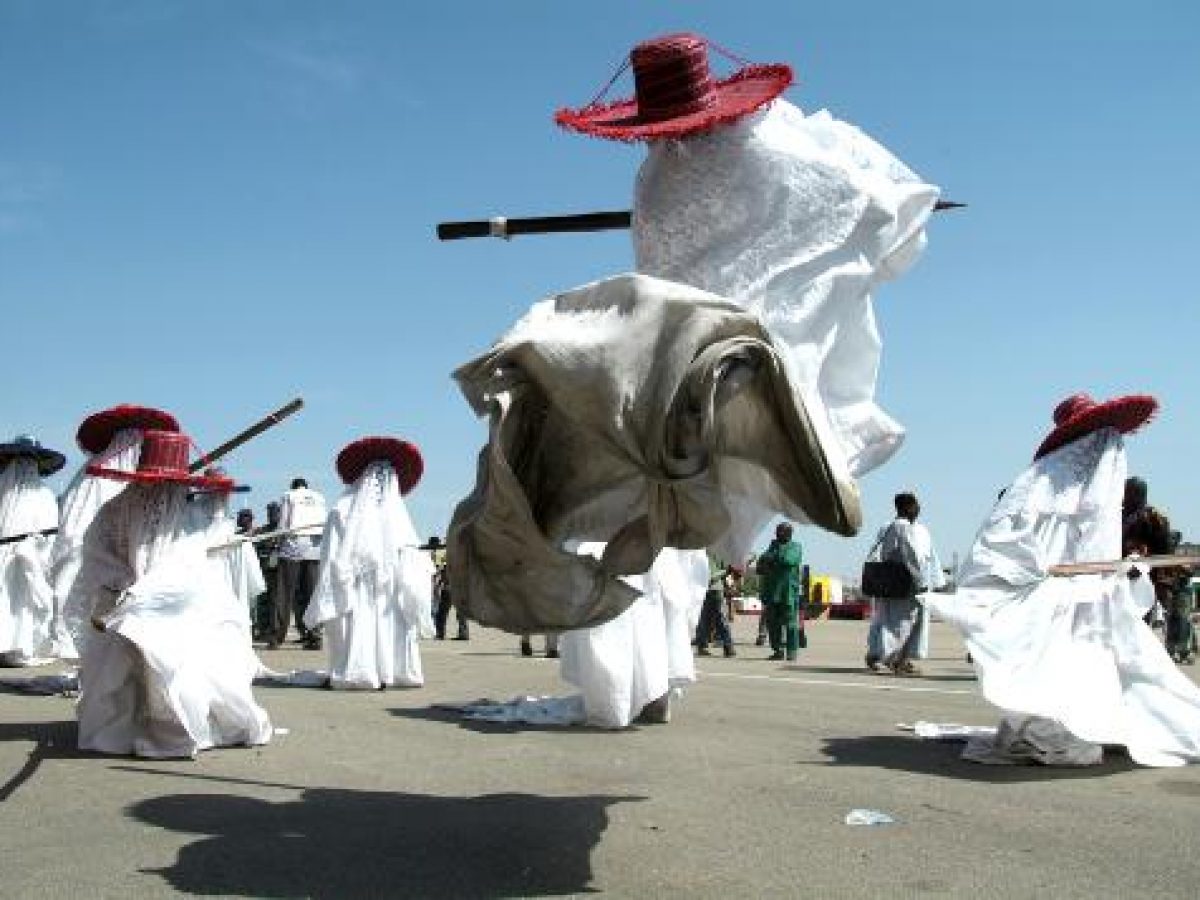
The Eyo Festival is one of Lagos’ oldest cultural events. It takes place mainly on Lagos Island and is known for masqueraders dressed in white robes and hats, carrying ceremonial staffs called opambata.
The festival is usually organised to honour a departed Oba or a prominent Lagos citizen. Though not held every year, when it happens, it draws large crowds and showcases rich Yoruba traditions.
2. Durbar Festival (Northern Nigeria)
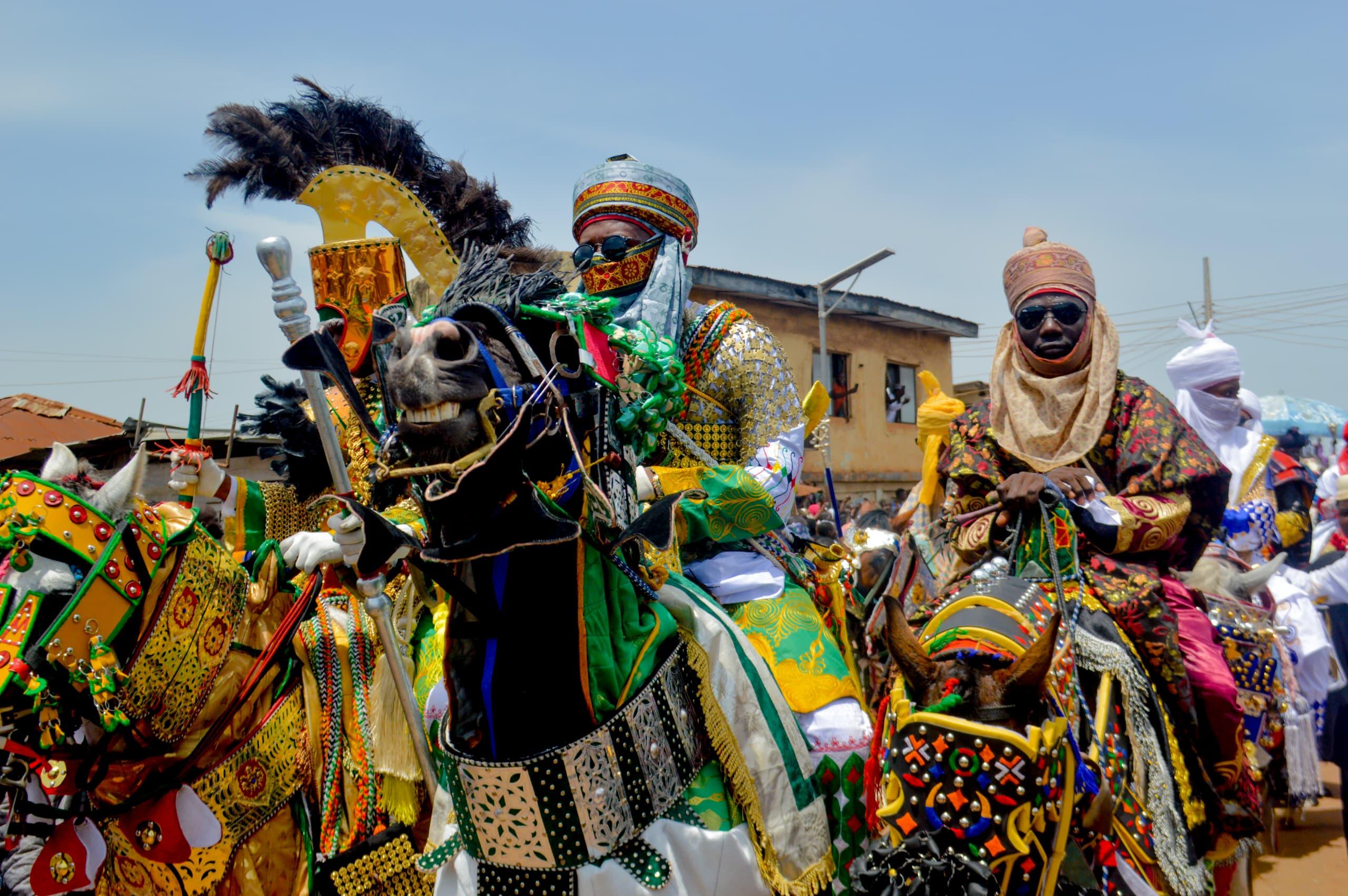
The Durbar Festival is celebrated in northern states like Kano, Katsina, Zaria, Bauchi, and Jigawa during Eid. It features horsemen in colourful attire parading before traditional rulers.
The event highlights Islamic culture, royal heritage, and the region’s long history of horsemanship.
3. Calabar Carnival (Cross River State)
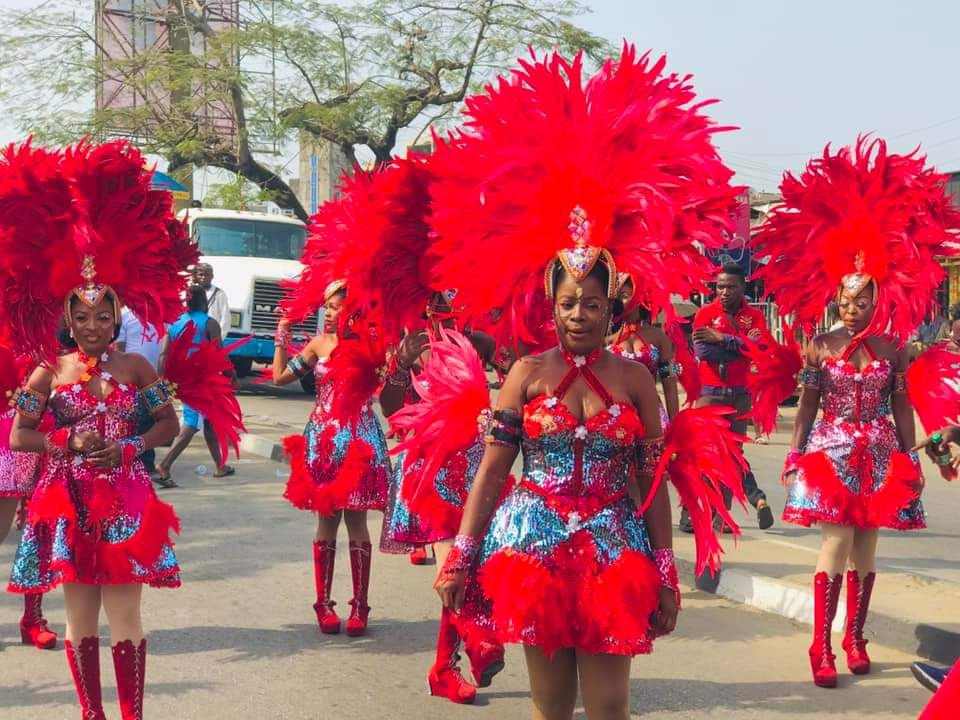
Held every December, the Calabar Carnival is often called Africa’s biggest street party.
It includes vibrant parades, dance competitions, music shows, food fairs, and beauty pageants.
The month-long event attracts visitors from around the world and is Nigeria’s most internationally recognised festival.
4. Osun-Osogbo Festival (Osun State)
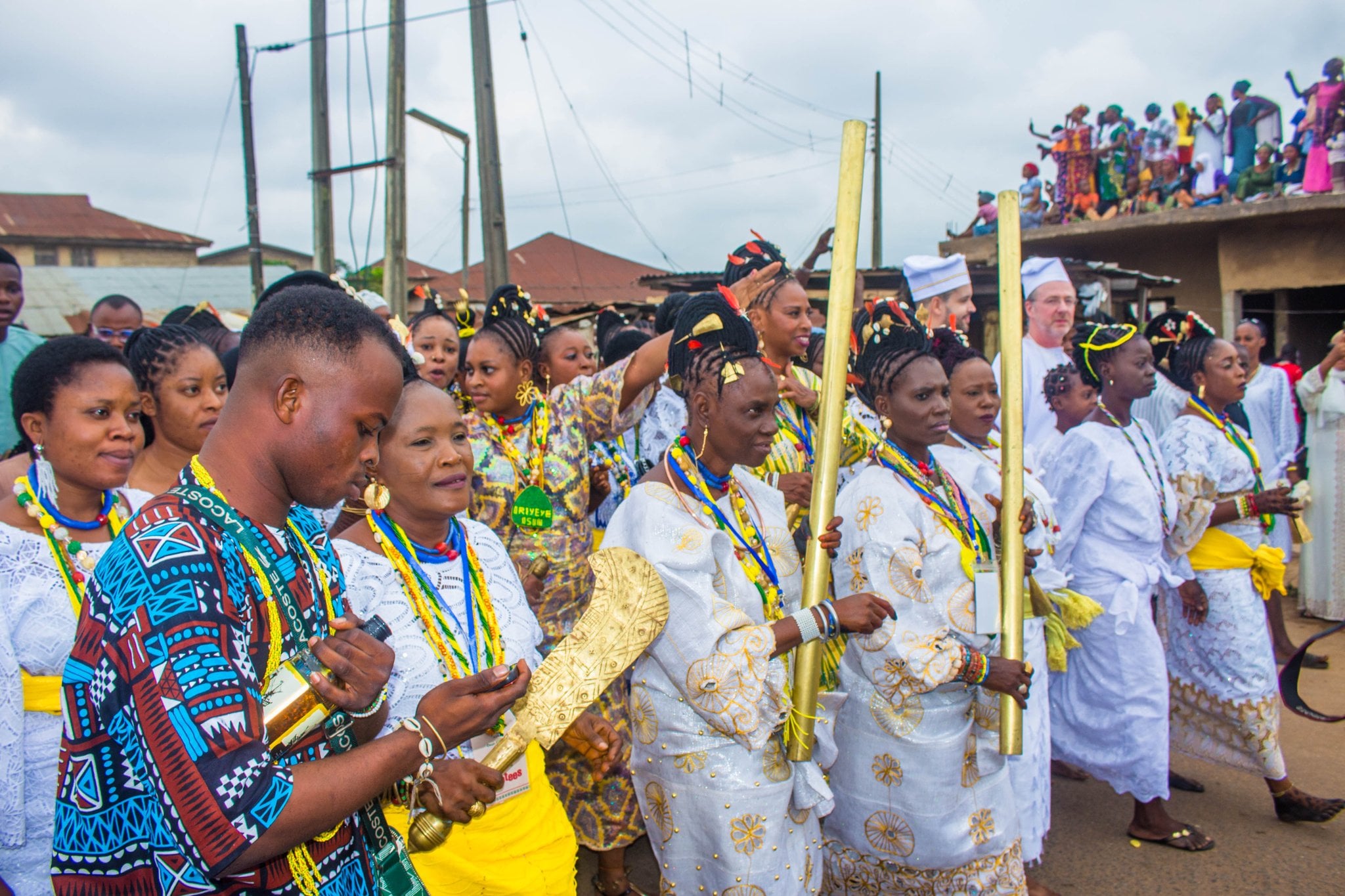
Every August, the Osun-Osogbo Festival celebrates Osun, the river goddess believed to bring fertility and protection.
Thousands of worshippers gather at the Osun Sacred Grove in Osogbo to offer prayers and participate in traditional rituals.
The festival is globally recognised and highlights the spiritual link between people and nature.
5. Argungu Fishing Festival (Kebbi State)
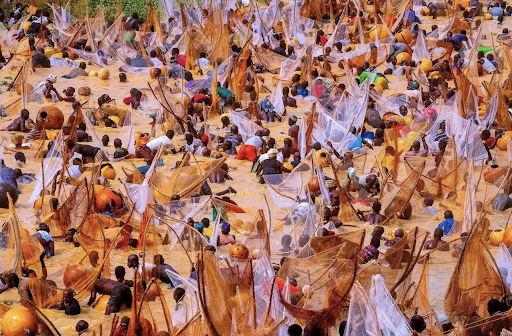
The Argungu Fishing Festival is one of Nigeria’s oldest cultural events.
Fishermen from different communities compete to catch the biggest fish using traditional methods.
The festival also features wrestling, canoe races, and cultural dances. It promotes peace, unity, and agricultural heritage, usually taking place early in the year.
6. Ofala Festival (Anambra State)
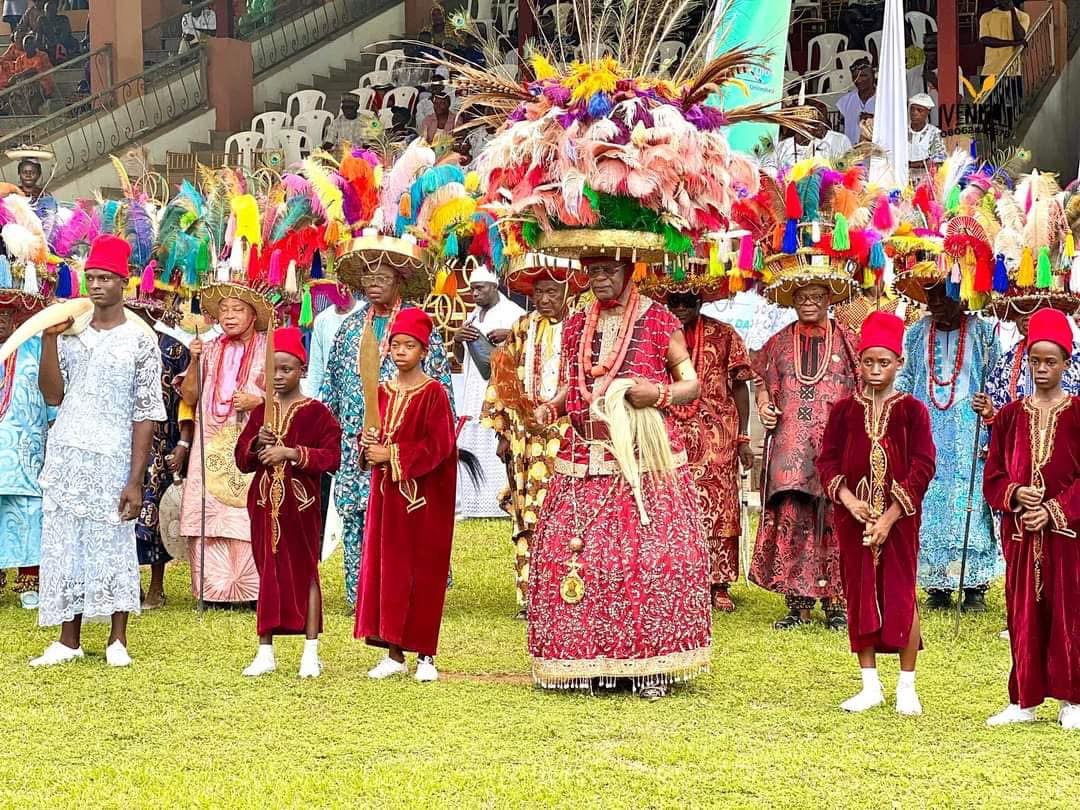
Celebrated mainly in Onitsha and other Igbo communities, the Ofala Festival honours traditional rulers.
It marks the end of a king’s period of seclusion, after which he appears in public to bless his people. The event is full of royal displays, traditional dances, and masquerades, usually held in October.
7. New Yam Festival (Eastern Nigeria)
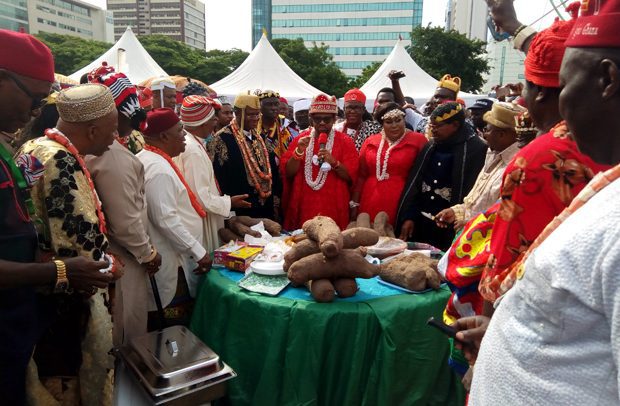
The New Yam Festival is celebrated across Igbo communities to mark the start of the harvest season.
It is a time to thank God and ancestors for a good farming year. Families and communities gather to share yam dishes, dance, and enjoy masquerade performances, typically between August and September.
8. Abuja Carnival (Federal Capital Territory)
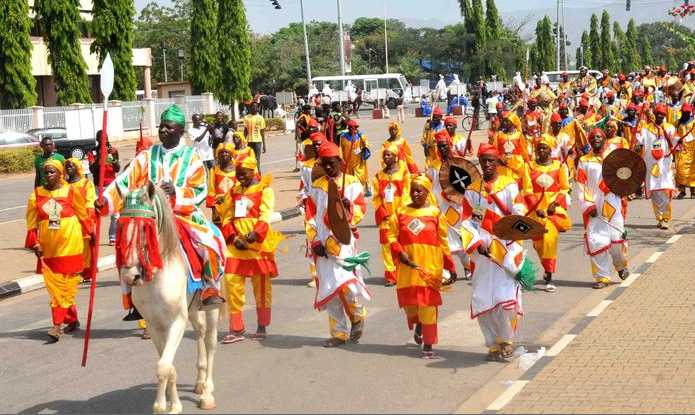
The Abuja Carnival is a national event that brings together cultural groups from all over Nigeria.
States showcase their dances, music, costumes, and crafts, celebrating the country’s diversity. The carnival usually takes place towards the end of the year, attracting local and international visitors.
9. Sango Festival (Oyo State)
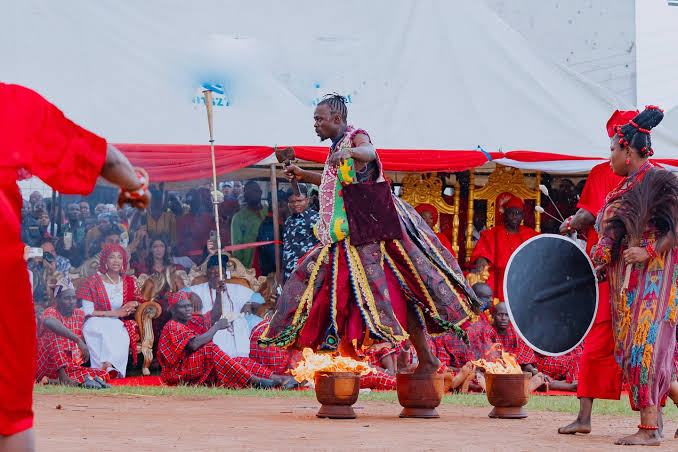
The Sango Festival honours Sango, the Yoruba god of thunder. It features drumming, rituals, wrestling, and fire displays.
The festival preserves ancient Yoruba beliefs and draws culture lovers eager to experience traditional worship.
10. Igue Festival (Edo State)
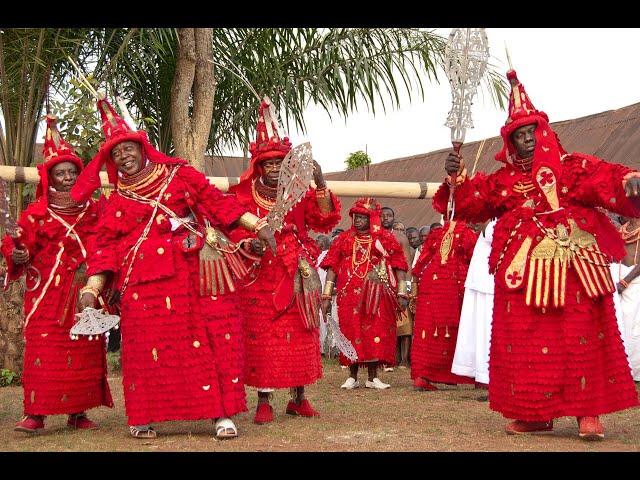
Held in Benin City, the Igue Festival celebrates the Oba of Benin and includes spiritual cleansing of the land.
It features royal processions, palace rituals, and cultural performances. The event is an important part of Edo tradition and is usually held in December.


 Follow Us on Google Discover










Opposition will front a single candidate against Tinubu, announcement will be made few days to election – Lukman

La Liga: Unstoppable Barcelona beat Real Betis 5-2 to extend winning run

EPL: Super Eagles star Iwobi fires Fulham to first league victory

Ogun hospital under fire as Nurse dies of asthma attack amid alleged oxygen failure

Maryam Babangida Center for Women Devt gets first wheel chair ramp after 34 years

Shettima inaugurates Arewa for Asiwaju campaign office in Abuja

2027: ‘APM will beat Tinubu in 12 battleground states’ – Makinde’s campaign team

Veteran Journalist, diplomat Dele Cole dies at 86

Suspended NSCDC commandant apologises over deaths of suspected illegal miners in Niger

EPL: Martinez rushed to hospital after head injury as Chelsea beat Everton

COAS arrives Borno as Military moves to clear terrorist camps, rescue abductees

Macky Sall quits race for UN Secretary-General position

Buhari backed Osinbajo’s presidential ambition four times, Akande tells Babachir Lawal

Dr. Benjamins‑Laniyi urges media to amplify women’s leadership, adopt gender‑sensitive reporting

Pope Leo XIV set to leave hospital after lung cancer surgery

Erisco Foods announces 13 job openings across Nigeria – Apply Now

2027: Step down if you are not working for Tinubu – Deji Adeyanju dares Obi, Kwankwaso

House Officers, Nurses, Radiographers, Others wanted as DELSUTH opens recruitment – Apply Now

Tinubu reappoints Bala Bila as INEC commissioner, nominates six others

Elon Musk unveils Tesla’s ‘flying’ car in stunning demonstration

2027: Kwankwaso a goat in sheep’s clothing, secretly working for Tinubu – Atiku Campaign Council

33 Governors cannot be wrong in supporting Tinubu – Bayo Onanuga

2027: Tinubu to miss rallies in over 20 States as APC releases campaign timetable

Gunmen storm Plateau, kill traditional ruler at residence

Atiku fully fit, ready to campaign in all 36 states, interact with Nigerians – ADC PCC

Security forces arrest five suspects over abduction of 20 NYSC members in Imo

2027: ‘Don’t trust your destiny to ‘kalokalo’ people’ – Wike warns Rivers voters against Atiku, Amaechi, Obi

Outrage as suspected cultists unveil renovated police post in Rivers

2027: ‘Atiku, Obi, Duke, Makinde are not threats to Tinubu’, says APC
