
World
US tightens borders, pauses Visa Processing for Nigeria, Russia, 73 Other Nations

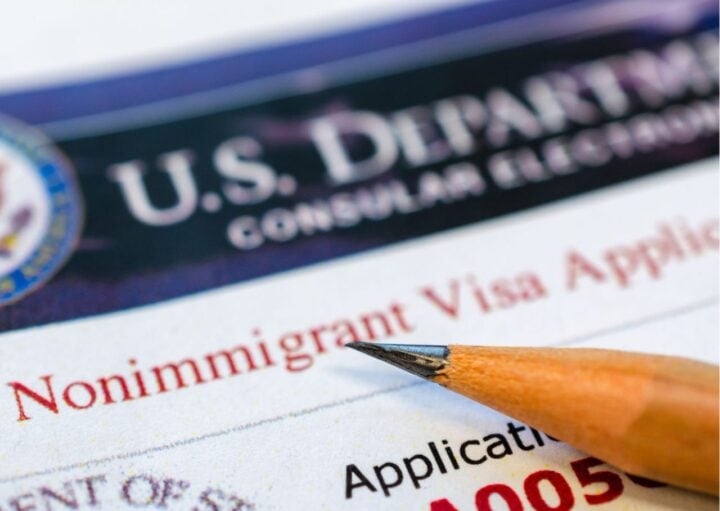
Visa applications from Nigeria, Russia and at least 73 other countries will no longer be processed by United States embassies and consulates, following a new directive by Washington to tighten immigration screening over concerns about welfare dependence.
The United States Department of State has instructed consular officers to suspend visa processing for the affected countries from January 21, 2026, pending a comprehensive review of existing screening and vetting procedures.
The directive was contained in an internal memo, first reported by Fox News, which directed visa officers to rely on existing provisions of US immigration law to refuse applications while the review is ongoing.
The suspension applies to multiple visa categories and will remain in effect indefinitely until the reassessment is concluded.
Countries affected by the decision cut across Africa, the Middle East, Asia, Europe and Latin America. They include Nigeria, Somalia, Egypt, Iran, Iraq, Yemen, Afghanistan, Russia, Brazil and Thailand, among others.
The policy shift is closely linked to the enforcement of the “public charge” rule — a long-standing element of US immigration law that allows authorities to deny visas to individuals considered likely to rely on public welfare benefits.
In November 2025, the State Department had issued fresh guidance to its embassies and consulates worldwide, directing stricter application of the rule. The updated guidance expanded the criteria consular officers must assess, including applicants’ age, health condition, English language proficiency, financial capacity, employment prospects and the likelihood of requiring long-term medical care.
Applicants deemed at risk of becoming dependent on public assistance are liable to have their visa applications refused.
Somalia has reportedly drawn heightened scrutiny following a major fraud investigation in Minnesota, where US prosecutors uncovered widespread abuse of taxpayer-funded welfare programmes. Federal authorities said many of those implicated were Somali nationals or Somali-Americans, a development that reportedly influenced the tougher stance on visa screening.
Although Nigeria was not specifically singled out in the memo, its inclusion places it among countries now facing stricter immigration controls, at a time when thousands of Nigerians apply annually for US student, work, tourist and family-based visas.
The US State Department has yet to provide a timeline for the completion of the review or clarify whether exemptions will apply for humanitarian or special cases.
The development is expected to create uncertainty for prospective travellers, students and families, particularly from developing countries, and could further strain people-to-people relations between the United States and the affected nations.


 Follow Us on Google Discover








2027: Kwankwaso a goat in sheep’s clothing, secretly working for Tinubu – Atiku Campaign Council

DSS arrests Maina’s fugitive son in Abuja, hands him over to EFCC

2027: Step down if you are not working for Tinubu – Deji Adeyanju dares Obi, Kwankwaso

2027: ‘I wont join my Uncle to support Tinubu’ – Davido says

Enugu NYSC death: NAFDAC debunks claims linking corps members death to fake drugs

33 Governors cannot be wrong in supporting Tinubu – Bayo Onanuga

Security forces arrest five suspects over abduction of 20 NYSC members in Imo

Rugby star Hyron Andrews dies at 31 after accidental fall in South Africa

LAUTECH Resident Doctors halt 50-day strike as Makinde intervenes

House Officers, Nurses, Radiographers, Others wanted as DELSUTH opens recruitment – Apply Now

FG raises health fund allocation to N40.76bn, extends insurance to prison inmates

Erisco Foods announces 13 job openings across Nigeria – Apply Now

Tinubu reappoints Bala Bila as INEC commissioner, nominates six others

2027: ‘Don’t trust your destiny to ‘kalokalo’ people’ – Wike warns Rivers voters against Atiku, Amaechi, Obi

BREAKING: Cross River PDP Chairman Venatius Ikem resigns, cites leadership crisis
Erisco Foods announces 13 job openings across Nigeria – Apply Now

2027: Atiku, Obi, Makinde, Adebayo, Duke hold talks with six opposition parties
‘You Betrayed Osun People’ — Adeleke, Davido face backlash over support for Tinubu

Ex-Senator Bello Mandiya’s body found in Abuja home three days after he slipped, hit his head in the bathroom

JUST IN: Finnish Appeal Court reduces Simon Ekpa’s jail term to four years, upholds terrorism conviction
Tinubu reappoints Bala Bila as INEC commissioner, nominates six others

Zamfara govt set to empower 36,176 residents with Dangote shares

Umahi reopens first Niger bridge after emergency repairs, displays Tinubu’s photos

Over 10 soldiers, four civilians feared dead as Boko Haram terrorists attack Borno military base

‘I love Islam, I’ve sent people to Mecca to pray for me, Nigeria for 25 years’ – Akpabio

Lagos govt announces 3-day traffic diversion on Independence bridge for emergency repairs

Tension escalates as thugs attack NDC secretariat in Edo, destroy properties

Elon Musk unveils Tesla’s ‘flying’ car in stunning demonstration

Tension mounts as NLC rejects FG’s response to 14-day ultimatum
