National News
Xenophobia: Tinubu snubs South African president’s envoy; delegation stranded in Abuja

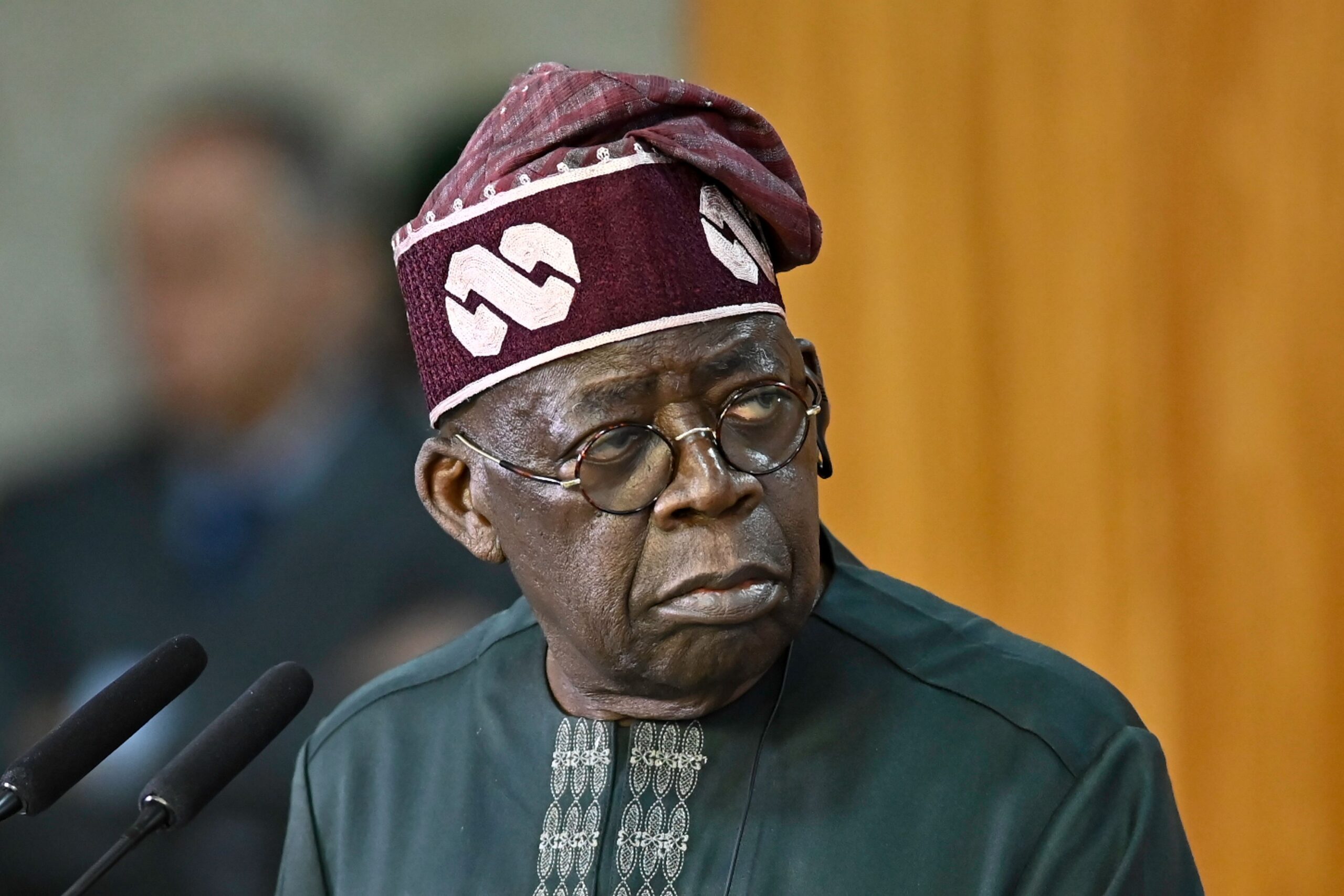
President Bola Ahmed Tinubu has reportedly declined to receive a special envoy sent by South African President Cyril Ramaphosa amid renewed concerns over persistent xenophobic attacks against Nigerians in South Africa.
VERY NIGERIAN reports that the South African delegation, led by the country’s Minister of International Relations and Cooperation, Ronald Lamola, arrived in Abuja on Friday, July 24, with what was described as an important message for President Tinubu.
The development came less than 24 hours after the reported killing of a Nigerian, Chika Ibe, who was allegedly picked up from his residence in Bellville, Cape Town, and tortured to death by personnel of the South African Police Service (SAPS).
Sources said Nigeria’s Minister of Foreign Affairs, Bianca Odumegwu-Ojukwu, advised that it was not the appropriate time for President Tinubu to receive the delegation, citing the continued attacks on Nigerians, their businesses and properties in South Africa.
She was also said to have insisted that South Africa must first submit a signed copy of the Memorandum of Understanding on the Early Warning Mechanism (EWM), signed by both countries in Abuja on October 22, 2025, before further diplomatic engagement could proceed.
The agreement was designed to strengthen cooperation in preventing violence, protecting citizens, addressing consular matters and creating rapid communication channels to respond to threats involving foreign nationals.
Nigerian officials also noted that the framework could have supported compensation claims for Nigerians whose businesses and properties were destroyed during previous xenophobic attacks, but South Africa has yet to ratify the agreement or compensate victims.
As of the time of filing the report, Presidency sources said President Tinubu had not agreed to meet the South African envoy, while the outcome of a telephone conversation reportedly initiated by President Ramaphosa remained unclear.
The diplomatic move is believed to be linked to growing concerns over the possible impact of worsening Nigeria-South Africa relations on South African investments in Nigeria and Abuja’s push for stronger African Union action against xenophobia.


 Follow Us on Google Discover





BREAKING: Harry Kane wins 2026 Ballon d’Or

‘Ebola may force postponement of 2027 elections’ – NCDC

‘Nomination Was Unlawful’ — NDC aspirant drags Omo-Agege, party to court

Prof Ochefu rejects NDC Campaign Council appointment, give reason

Burna Boy presents Socrates Award to Bukayo Saka at 2026 Ballon d’Or ceremony

NDC unveils new National Secretariat in Abuja

INEC bows to pressure, makes preliminary Voters’ Register available online for public inspection

‘Atiku wants to push Nigeria back into poverty’ — Shettima

Why data may be used even when mobile data is switched off – MTN

Fani-Kayode arrives in South Africa, pledges to strengthen bilateral ties

“I know what I came into office to do” — President Tinubu

Court remands man at Kuje prison over alleged threat to release nude videos of Kano Governor

Agbara Nla: The Return hits N408.3m, ranks as Nollywood’s second-biggest film of 2026

Obi has nothing to offer Nigerians beyond ‘Dubious Statistics’ – Shettima

Dozens killed, 18 injured in attack on orthodox churches in Ethiopia

BREAKING: NDC unveils 2027 National Campaign Council, names Babachir Lawal, Galadima to key roles (Full List)

2026 Ballon d’Or: Date, time, venue, streaming details revealed

US Pastor marries second wife, describes monogamy as unbiblical

Troops storm bandits’ hideout, rescue three kidnap victims in Kebbi

Blessing CEO regains freedom after four months in prison

BREAKING: NCDC identifies two additional suspected Ebola cases, tracks 53 primary contacts

Woman killed, two injured as gunmen attack groundnut farmers in Plateau

FIFA U-17 Women’s World Cup: Round of 16 fixtures, dates, kick-off times revealed

Outrage as viral video shows JIBWIS members demanding AK-47s, threaten to kill ‘Infidels’ in Enugu, Jos on a Sunday

Lone Ebola patient to be flown out of Nigeria for further treatment
“I know what I came into office to do” — President Tinubu

Reaction trails as APC youth leader Dayo Israel gifts 2026 Toyota Prado SUVs to party officials

2027: Sowore accuses Peter Obi of ‘renting’ NDC for election, criticizes party

Bandits storm Kaduna community, abduct two farmers
