
News
2027: ‘Those who can’t state their primary school shouldn’t run for presidency’ – Rufai Oseni

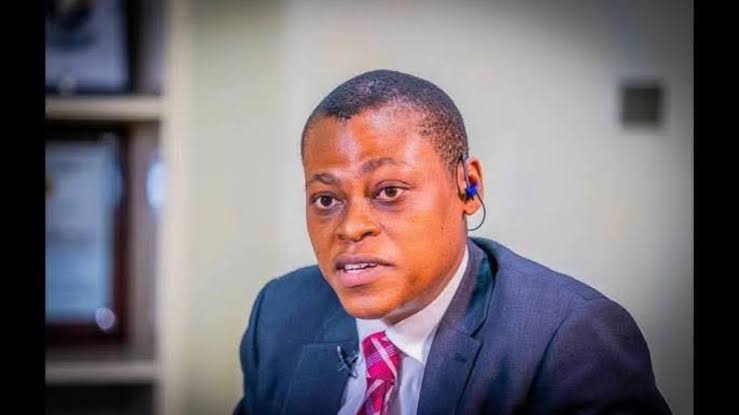
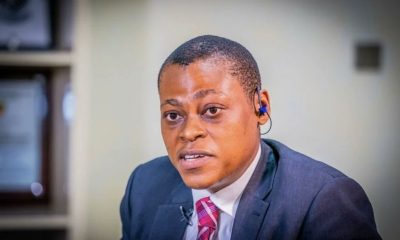
Popular broadcaster and Arise Television Morning Show anchor, Rufai Oseni, has criticised the incomplete personal information submitted by some presidential aspirants to the Independent National Electoral Commission (INEC), urging Nigerians to demand greater transparency from those seeking the nation’s highest office.
In a Facebook post on Sunday, Oseni questioned why any candidate vying for the presidency would fail to provide details of their primary school education.
His reaction followed the publication of the personal particulars of presidential candidates by INEC as part of preparations for the 2027 general election.
The documents have sparked widespread public debate, with many Nigerians examining the credentials and information submitted by the aspirants.
Oseni maintained that anyone aspiring to lead the country should be willing to fully disclose their educational background, including their primary school history, to promote accountability and public trust.
“People that can’t tell you their primary school want to be your president and Nigerians will vote them,” he wrote.
His comment comes after INEC commenced the public display of the personal particulars, academic credentials and other statutory documents submitted by presidential candidates.
The documents showed that President Bola Tinubu, the presidential candidate of the All Progressives Congress, APC, listed only his Bachelor of Science degree from Chicago State University among his educational qualifications, while the sections indicating his primary and secondary school attendance years were entered as “0000.”
In contrast, the documents submitted by Nigeria Democratic Congress, NDC, candidate, Mr Peter Obi, and African Democratic Congress, ADC, candidate Atiku Abubakar contained educational histories beginning from their primary school education.
INEC said the publication of the documents marks the commencement of the statutory period for public scrutiny of candidates’ nomination papers, during which any person may challenge the information contained in a candidate’s affidavit in court if found to be false, in line with the Electoral Act.


 Follow Us on Google Discover





APM, Makinde sue Otti over alleged N200m campaign levy in Abia

‘Why are afraid of entering America?’, Atiku blasts Tinibu for missing third consecutive UNGA

Gunmen storm Kebbi community, kill village head

Former Kogi Gov Ibrahim Idris dies in UK

NDLEA seizes N3.4bn drugs, nab fake cop, mechanic

Falconets crash out of 2026 U-20 Women’s World Cup after 1-0 loss to Colombia

BREAKING: Tinubu confirms absence from 81st UN General Assembly in New York, directs Shettima to lead Nigerian delegation

2027: ‘Obi will defeat Tinubu by a wider margin in Lagos’ — NDC

NDC disowns OK Movement campaign council, refers John Ugulu for discipline

Raphinha set to sign new Barcelona contract until 2030

Four Nigerians receive UNGA Humanitarian, Goodwill Ambassador honours in New York

‘We Won’t Go Back to Egypt’ — Showunmi rejects Atiku’s petrol subsidy proposal

NSCDC names new Niger commandant following death of miners in custody

ECOWAS court set to hold 2026 international conference in Dakar

Nigerians already seeing reductions in transport fares – Tinubu
BREAKING: Tinubu confirms absence from 81st UN General Assembly in New York, directs Shettima to lead Nigerian delegation
Nigerians already seeing reductions in transport fares – Tinubu

‘Before lecturing Tinubu, you must answer questions from your past’ — Presidency to Atiku
‘We Won’t Go Back to Egypt’ — Showunmi rejects Atiku’s petrol subsidy proposal

‘The Site Belongs To Babangida’ – Survivor links deaths of miners in NSCDC custody to ex-Military Ruler

Deji Adeyanju, Buhari others appointed as FG constitutes committee to probe NSCDC custody deaths (Full List)
Four Nigerians receive UNGA Humanitarian, Goodwill Ambassador honours in New York

PL: Brighton thrash Arsenal 3-0, end Gunners’ winning run

NSCDC detains suspended Niger commandant, 21 officers over deaths of 37 miners

Sowore as best president Nigeria refuses to have: by Farooq A. Kperogi
Raphinha set to sign new Barcelona contract until 2030

Why EFCC must prosecute Atiku – Agbonayinma
Falconets crash out of 2026 U-20 Women’s World Cup after 1-0 loss to Colombia
ECOWAS court set to hold 2026 international conference in Dakar