National News
“No Subsidy Will Return”: Finance Minister Oyedele reaffirms govt position amid inflation concerns

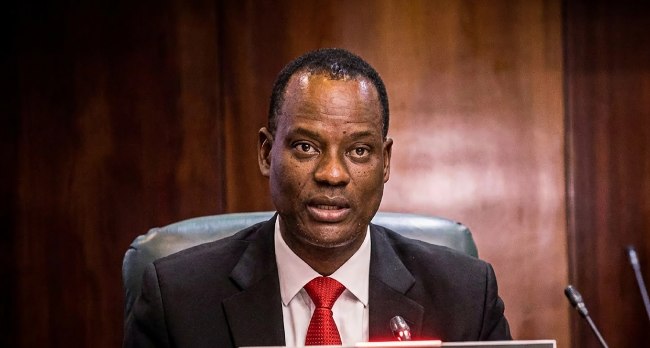
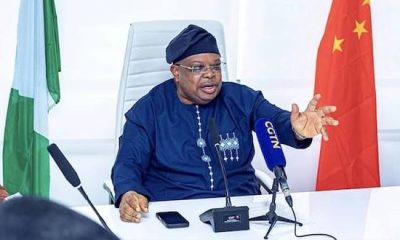
The Minister of Finance and Coordinating Minister of the Economy, Taiwo Oyedele, has ruled out the return of fuel subsidy in Nigeria, despite continued public pressure over rising living costs triggered by its removal.
Speaking on Tuesday in Paris during a high-level meeting between President Bola Tinubu and global investors, Oyedele maintained that the subsidy regime created deep economic distortions that the government is unwilling to reintroduce.
He stressed that petrol pricing would remain market-driven, arguing that government intervention through price control or subsidy would undermine long-term economic stability.
Oyedele said the Presidency believes the market is capable of self-regulation, adding that ongoing reforms are designed to correct structural imbalances rather than reverse them.
The Minister’s comments come against the backdrop of worsening inflationary pressures since the subsidy removal in May 2023, which saw headline inflation climb from 22.41% to 34.19% by June 2024, with food inflation crossing 39% by October 2024. The policy shift, alongside currency depreciation, also triggered a sharp rise in transport costs and deepened cost-of-living challenges across the country.
Oyedele, however, defended the reforms, noting that Nigeria recorded 11.2% GDP growth in dollar terms in 2025, which he said supports the administration’s ambition of building a $1 trillion economy by 2030.
He also assured investors that the government would begin publishing quarterly financial data as part of efforts to deepen transparency and fiscal discipline.
President Tinubu, in his remarks to investors from Citibank, Amundi, BlueCrest, Ninety One, PGIM, and others, said his administration’s reform agenda is focused on removing economic distortions, stabilising macroeconomic indicators, and driving inclusive growth.
He further highlighted improvements in foreign exchange stability following subsidy removal, describing the policy as necessary for long-term economic balance.
Tinubu also reiterated his government’s commitment to transparency in the oil sector, security reforms including police decentralisation, and efforts to disrupt terrorist financing.
The President assured investors that policy consistency and disciplined execution remain central to his post-2027 economic agenda, as Nigeria seeks to consolidate recent reforms into measurable gains for citizens.


 Follow Us on Google Discover






2027: Tinubu must be stopped, ‘even Buhari saw him as bad news’ — Hakeem Baba-Ahmed

APC sweeps all 21 chairmanship seats, 239 Councillorship positions in Kogi LG poll

‘₦29,000 Cannot sustain a retired officer’ — Atiku challenges Tinubu on police pensions, proposes initiative

FG ends 17-year blackout in Gombe community with 1MW solar mini-grid

EPL: Leeds hold Man Utd to 1-1 draw as pressure mounts on Carrick

DSS arrests of NYSC kidnappers, Faisal Maina: Why intelligence must take centre stage: by Olufemi Lawson

SSANU halts two-week strike ultimatum after FG’s intervention

Catholic priest dies after Jesus’ statue falls on him during mass in Ecuador (video)

2027: NDC will never step down for Atiku, stop attacking us – Kwankwaso replies ADC Campaign Council

I fear APC’s internal crisis more than Atiku – Shettima

Why Shettima Insults Atiku: by Farooq Kperogi

Messi’s double fires Inter Miami to 3-1 victory over Atlanta United

Opposition will front a single candidate against Tinubu, announcement will be made few days to election – Lukman

La Liga: Unstoppable Barcelona beat Real Betis 5-2 to extend winning run

EPL: Super Eagles star Iwobi fires Fulham to first league victory

2027: Step down if you are not working for Tinubu – Deji Adeyanju dares Obi, Kwankwaso

2027: Kwankwaso a goat in sheep’s clothing, secretly working for Tinubu – Atiku Campaign Council

Security forces arrest five suspects over abduction of 20 NYSC members in Imo

33 Governors cannot be wrong in supporting Tinubu – Bayo Onanuga
Opposition will front a single candidate against Tinubu, announcement will be made few days to election – Lukman

2027: ‘I wont join my Uncle to support Tinubu’ – Davido says

DSS arrests Maina’s fugitive son in Abuja, hands him over to EFCC

Veteran Journalist, diplomat Dele Cole dies at 86

Gunmen kill four vigilantes in Plateau community

Tension as traditional ruler collapses, dies in Ondo

Suspended NSCDC commandant apologises over deaths of suspected illegal miners in Niger
2027: NDC will never step down for Atiku, stop attacking us – Kwankwaso replies ADC Campaign Council

Ogun hospital under fire as Nurse dies of asthma attack amid alleged oxygen failure

COAS arrives Borno as Military moves to clear terrorist camps, rescue abductees
