World
Iran re-closes strait of Hormuz, halts nuclear talks over Lebanon, US Forces presence

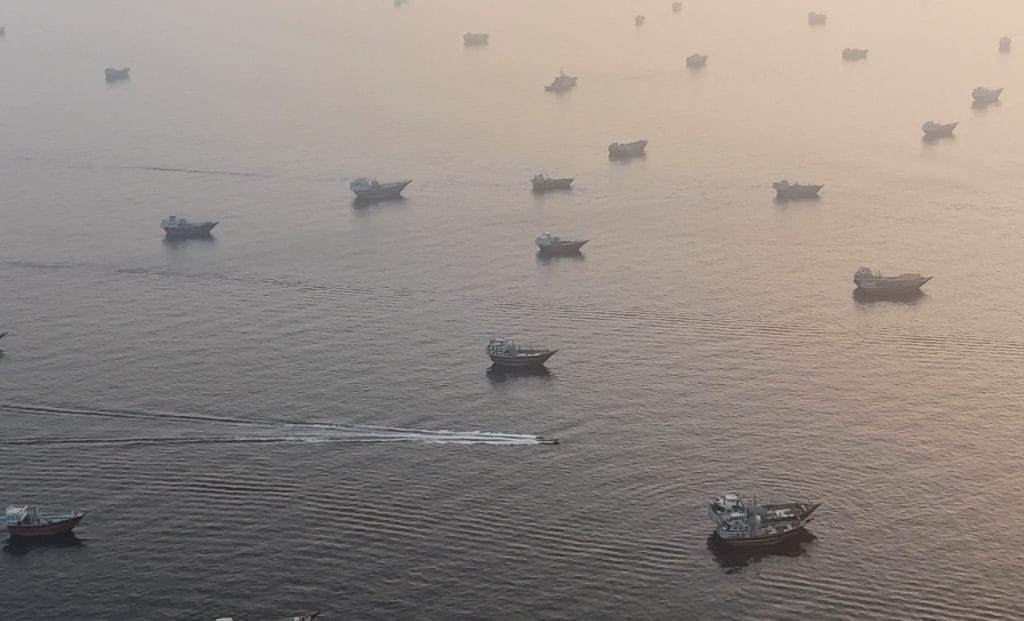
The Strait of Hormuz was re-closed on Friday after Iran’s Islamic Revolutionary Guard Corps (IRGC) announced it would suspend compliance with a recently signed US-Iran understanding and block the strategic waterway until key conditions are met.
According to the IRGC, the decision followed Israel’s refusal to withdraw from southern Lebanon and the continued presence of US forces in the Persian Gulf region, which it described as violations of a memorandum of understanding signed earlier in the week.
In a maritime radio broadcast statement, the IRGC insisted that the reopening of the strait, the lifting of naval blockades, and the withdrawal of US forces were core conditions of the agreement. It warned that vessels should avoid the waterway, adding that non-compliant ships could be targeted.
The development comes despite reports of continued commercial shipping activity through the strait and confirmation from US Central Command that its two-month naval blockade on Iranian ports had been lifted.
The US-Iran agreement, signed by President Donald Trump and Iranian President Masoud Pezeshkian, had aimed to ease tensions and pave the way for nuclear negotiations in Switzerland. However, scheduled talks were postponed following renewed military and diplomatic friction in the region.
Iran accused the United States of failing to fully implement its obligations under the deal, particularly regarding phased withdrawal arrangements and regional security provisions tied to Israel’s operations in Lebanon.
The IRGC further argued that ambiguities in the agreement allowed for continued justification of the closure, while introducing new maritime restrictions through Iran’s newly established Persian Gulf Strait Authority, which now requires vessels to obtain transit permits.
The situation has heightened global concern over energy security, as the Strait of Hormuz remains a critical route for a significant share of global oil and gas exports.
Diplomatic efforts to salvage the agreement remain uncertain, with both sides maintaining firm positions amid escalating tensions involving Israel, Hezbollah, and regional military deployments.


 Follow Us on Google Discover







Mambilla Project: EFCC opens probe into Adesanya, Atiku, Malami, others named in Tribunal Award

UNGA: Tinubu afraid of becoming Trump’s next Nicolas Maduro – Atiku

NSCDC releases names of 37 suspected illegal miners who died in custody (Full list)

Crisis looms in NDC as OK Movement clash with pary chairman, Head of Operations resign over campaign council list

APM, Makinde sue Otti over alleged N200m campaign levy in Abia

‘Why are afraid of entering America?’, Atiku blasts Tinibu for missing third consecutive UNGA

Gunmen storm Kebbi community, kill village head

Former Kogi Gov Ibrahim Idris dies in UK

NDLEA seizes N3.4bn drugs, nab fake cop, mechanic

Falconets crash out of 2026 U-20 Women’s World Cup after 1-0 loss to Colombia

BREAKING: Tinubu confirms absence from 81st UN General Assembly in New York, directs Shettima to lead Nigerian delegation

2027: ‘Obi will defeat Tinubu by a wider margin in Lagos’ — NDC

NDC disowns OK Movement campaign council, refers John Ugulu for discipline

Raphinha set to sign new Barcelona contract until 2030

Four Nigerians receive UNGA Humanitarian, Goodwill Ambassador honours in New York
BREAKING: Tinubu confirms absence from 81st UN General Assembly in New York, directs Shettima to lead Nigerian delegation

Nigerians already seeing reductions in transport fares – Tinubu

‘Before lecturing Tinubu, you must answer questions from your past’ — Presidency to Atiku

‘We Won’t Go Back to Egypt’ — Showunmi rejects Atiku’s petrol subsidy proposal
Deji Adeyanju, Buhari others appointed as FG constitutes committee to probe NSCDC custody deaths (Full List)

‘The Site Belongs To Babangida’ – Survivor links deaths of miners in NSCDC custody to ex-Military Ruler

PL: Brighton thrash Arsenal 3-0, end Gunners’ winning run
Four Nigerians receive UNGA Humanitarian, Goodwill Ambassador honours in New York
Why EFCC must prosecute Atiku – Agbonayinma

NSCDC names new Niger commandant following death of miners in custody

NSCDC detains suspended Niger commandant, 21 officers over deaths of 37 miners
NDC disowns OK Movement campaign council, refers John Ugulu for discipline
Raphinha set to sign new Barcelona contract until 2030

Sowore as best president Nigeria refuses to have: by Farooq A. Kperogi