Editorials
Ego vs Unity: The PDP’s struggle for survival

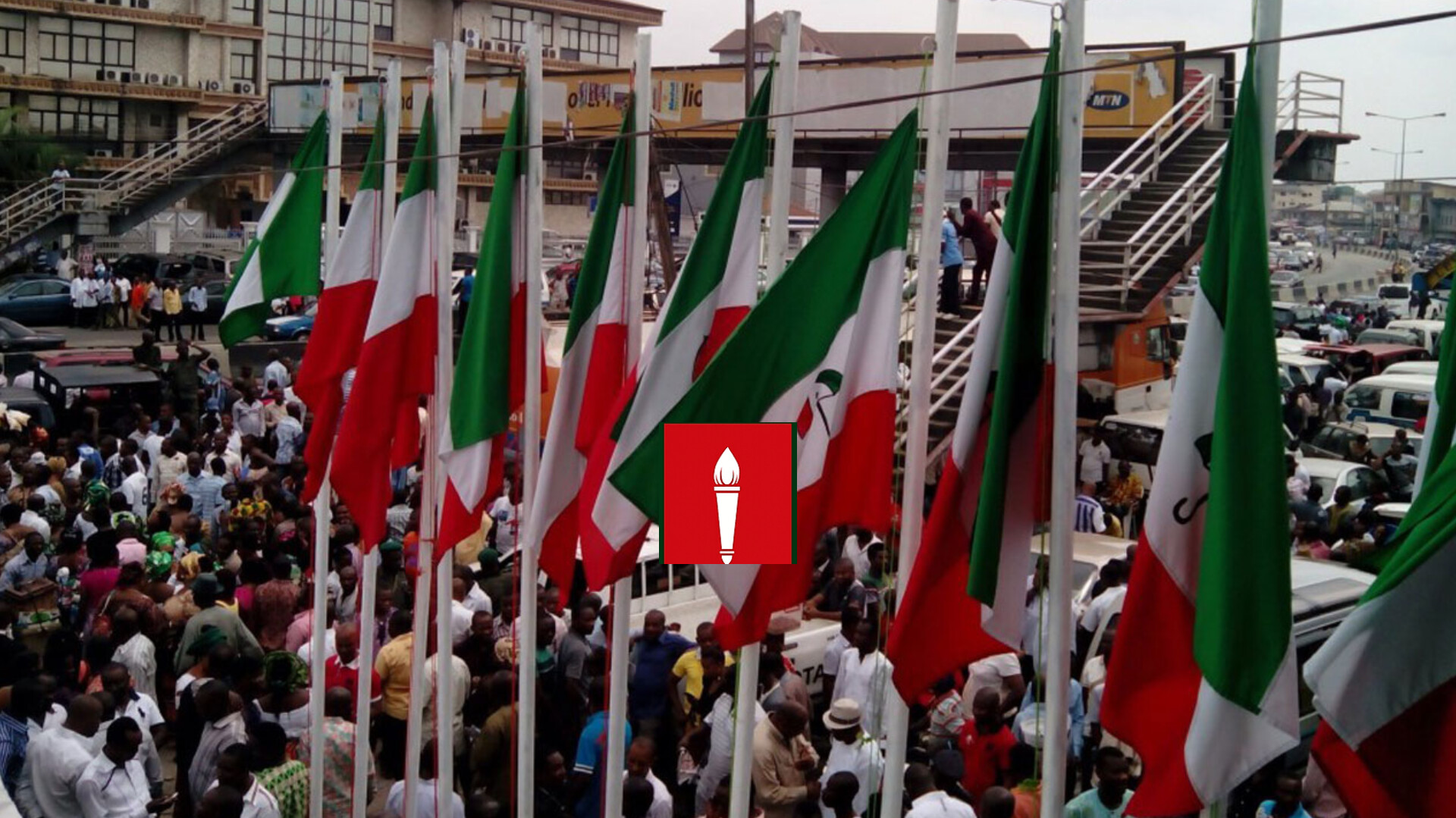
The ongoing crisis within the Peoples Democratic Party (PDP) is a stark reminder of the destructive power of ego in Nigerian politics.
History offers several cautionary tales: the Labour Party’s 2023 turmoil, which saw Peter Obi clash with chairman Julius Abure, ultimately splintered the party.
The APC, too, has not been immune, facing its own internal struggles in 2018 under Adams Oshiomhole.
Time and again, personal ambitions and power tussles have overshadowed the collective good, weakening opposition parties and eroding public confidence.
The PDP’s current strife, involving heavyweight figures like Atiku Abubakar, Nyesom Wike, Sule Lamido, and Tanimu Turaki SAN, underscores the party’s ongoing challenge: balancing personal ambition with collective responsibility.
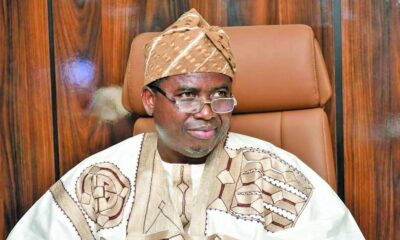
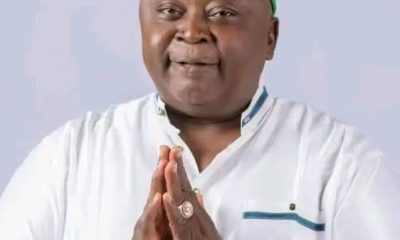
Lamido, a former Jigawa governor and a founding PDP figure, has faced barriers even in attempting to contest for the national chairmanship.
Turaki, touted by party governors as a consensus candidate, represents the faction seeking stability, yet Lamido’s supporters argue his experience and leadership are crucial for rebuilding the party.
The rift between Lamido and Turaki is more than a personality clash; it reflects ideological divisions and long-standing grievances.
Governor Dauda Lawal of Zamfara highlights that the crisis transcends Atiku’s frequent political maneuvers, it is, at its core, an ego-driven struggle that threatens the party’s unity.
Nyesom Wike’s active involvement, with speculations about his true loyalties, further complicates matters, even as his past sacrifices for the PDP remain noteworthy.
The consequences of this internal disunity are already visible: defections to other parties, weakened stakeholder confidence, and doubts over the PDP’s ability to remain an effective opposition ahead of the 2027 elections.
The refusal to sell Lamido a nomination form raises serious questions about the party’s commitment to inclusivity and reconciliation.
For the PDP to survive, transparency, fairness, and adherence to its constitution must guide the Ibadan convention and leadership selection process.
The governors and party leaders must act decisively, putting aside personal ambitions for the collective good.
Only through constructive dialogue, compromise, and a focus on shared goals can the PDP hope to heal its internal wounds.
Without this, Nigeria risks losing a vital opposition that can hold the ruling APC accountable.
Ultimately, the PDP’s crisis is a test of political maturity.
Ego has long been the enemy of progress in Nigeria’s political landscape.
If the PDP can rise above personal interests, restore trust among its members, and present a united front, it may yet reclaim its place as a formidable force in Nigerian politics.
Also Read: Sule Lamido declares bid for PDP Chairmanship, vows to strengthen Party Democracy
The alternative is clear: continued infighting and decline, leaving the opposition landscape weaker and the democratic process poorer for it.


 Follow Us on Google Discover







Tension as traditional ruler collapses, dies in Ondo

2027: Kwankwaso a goat in sheep’s clothing, secretly working for Tinubu – Atiku Campaign Council

DSS arrests Maina’s fugitive son in Abuja, hands him over to EFCC

2027: Step down if you are not working for Tinubu – Deji Adeyanju dares Obi, Kwankwaso

2027: ‘I wont join my Uncle to support Tinubu’ – Davido says

Enugu NYSC death: NAFDAC debunks claims linking corps members death to fake drugs

33 Governors cannot be wrong in supporting Tinubu – Bayo Onanuga

Security forces arrest five suspects over abduction of 20 NYSC members in Imo

Rugby star Hyron Andrews dies at 31 after accidental fall in South Africa

LAUTECH Resident Doctors halt 50-day strike as Makinde intervenes

House Officers, Nurses, Radiographers, Others wanted as DELSUTH opens recruitment – Apply Now

FG raises health fund allocation to N40.76bn, extends insurance to prison inmates

Erisco Foods announces 13 job openings across Nigeria – Apply Now

Tinubu reappoints Bala Bila as INEC commissioner, nominates six others

2027: ‘Don’t trust your destiny to ‘kalokalo’ people’ – Wike warns Rivers voters against Atiku, Amaechi, Obi
Erisco Foods announces 13 job openings across Nigeria – Apply Now
‘You Betrayed Osun People’ — Adeleke, Davido face backlash over support for Tinubu

Ex-Senator Bello Mandiya’s body found in Abuja home three days after he slipped, hit his head in the bathroom
Tinubu reappoints Bala Bila as INEC commissioner, nominates six others

JUST IN: Finnish Appeal Court reduces Simon Ekpa’s jail term to four years, upholds terrorism conviction

‘I love Islam, I’ve sent people to Mecca to pray for me, Nigeria for 25 years’ – Akpabio
House Officers, Nurses, Radiographers, Others wanted as DELSUTH opens recruitment – Apply Now

Zamfara govt set to empower 36,176 residents with Dangote shares

Over 10 soldiers, four civilians feared dead as Boko Haram terrorists attack Borno military base

Umahi reopens first Niger bridge after emergency repairs, displays Tinubu’s photos

‘Local champion’ – Donald Duke takes fresh swipe at Gov Diri over Lagos-Calabar coastal highway

Panic in Rivers community as pipeline explosion injures 20, razes over 50 houses

Lagos govt announces 3-day traffic diversion on Independence bridge for emergency repairs

Elon Musk unveils Tesla’s ‘flying’ car in stunning demonstration
