Business News
Petrol subsidy could have cost Nigeria N53tn, pushed Naira to N3,500/$ — NRS Chairman

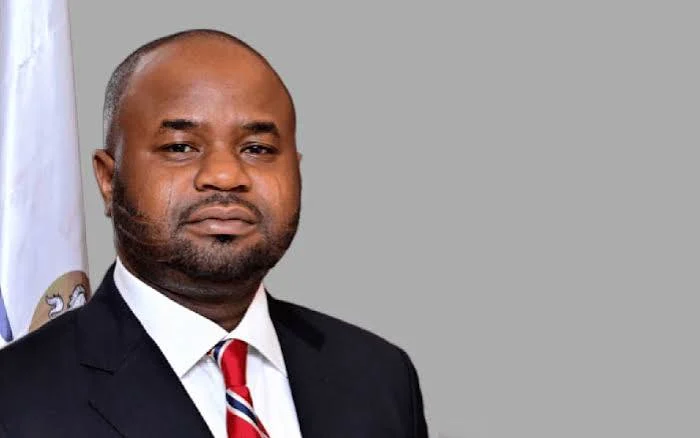
Nigeria’s petrol subsidy could have cost the Federal Government as much as N53 trillion under current market conditions and pushed the naira to about N3,500 per dollar, the Chairman of the Nigeria Revenue Service (NRS), Zacch Adedeji, has said.
Adedeji made the projection during an interview with Channels Television, arguing that retaining the subsidy would have placed severe pressure on government finances and the foreign exchange market.
According to him, the projected N53 trillion subsidy bill reflects what Nigeria could have faced if President Bola Tinubu had not removed the petrol subsidy in May 2023, particularly amid changes in global economic conditions.
“The subsidy today would have been N53 trillion if Mr President had not removed it, given what is happening in Iran, given what is happening globally,” Adedeji said.
He also projected that continued payment of the subsidy could have driven the exchange rate to as high as N3,500/$, owing to increased demand for foreign exchange to finance petroleum imports.
‘Subsidy Was Being Financed Through Borrowing’
The NRS chairman argued that maintaining the subsidy would have created an unsustainable burden on government finances.
He rejected arguments that the government should have first built a fiscal buffer before removing the subsidy, saying the subsidy itself was effectively being financed through borrowed funds.
“Subsidy is not an income. It is like you are borrowing money to buy a product and that product is N10, and you are selling it at N3,” he said.
Adedeji said the subsidy regime had also contributed to pressure on the foreign exchange market because of the need to finance petroleum imports.
He linked the removal of the subsidy to the government’s broader foreign exchange reforms, arguing that the previous exchange-rate system did not adequately reflect the market value of the naira and had discouraged investment.
According to him, the reforms have helped improve foreign exchange conditions and created stronger incentives for investment in domestic refining.
Subsidy Removal Continues to Impact Nigerians
President Tinubu announced the removal of the petrol subsidy shortly after assuming office in May 2023.
The decision resulted in a sharp increase in petrol prices and shifted a larger portion of fuel costs from government finances to consumers.
Nigeria has since continued to grapple with the economic consequences of the policy, alongside exchange-rate reforms and efforts to increase domestic refining capacity.
However, the N53 trillion figure and the projected N3,500/$ exchange rate are hypothetical estimates of what could have happened if the subsidy had remained in place. They are not actual subsidy costs or exchange rates recorded under the current administration.
Adedeji did not provide details of the assumptions or methodology used to arrive at the N53 trillion estimate or the projected exchange rate.
The potential cost of maintaining the subsidy would depend on factors including global crude oil prices, domestic petrol consumption, exchange-rate movements, domestic refining output and the subsidy amount per litre.
Nevertheless, the projections highlight the fiscal and foreign exchange pressures that government officials associate with retaining the petrol subsidy regime..


 Follow Us on Google Discover










2027: Kano Gov reconciles APC leaders Barau Jibrin, Bichi

2027: ‘ADC ready to follow electoral rules, won’t be rigged out’ – David Mark

ASUSS defies NUT strike, orders FCT teachers to resume work

442 Former Councillors set to dump APC in Zamfara, join growing defection wave

Super Eagles drop to 30th in latest FIFA ranking

BREAKING: Security forces rescue 20 NYSC members from abductors in Imo

‘Atiku, Obi must unite to stop Tinubu in 2027’ – Donald Duke

2027: INEC commences training for supervisors

Buhari was not in charge, I’ll take full control of my govt if elected – Obi

Military launches underwater search for crashed NAF ATR-42 aircraft in Ondo, deploys advanced sonar (Photos)

FG yields to SSANU ultimatum, releases eight months’ salary arrears

Obi visits Air Force headquarters, signs condolence register for crash victims

NAF aircraft crash: SDP Presidential campaign suspends activities for one week

Tragedy as passenger dies during Kenya Airways flight from Nairobi to Lagos

Arteta extends Arsenal stay with new contract until 2030

OPay Microfinance Bank opens recruitment for multiple positions across Nigeria – Apply Now

UBA opens recruitment, seeks Direct Sales, POS, Lending Officers across Nigeria

2027: Lagos leads as INEC unveils Top 10 States with highest number of voters

BREAKING: Air Force publishes names of 25 victims killed in Ondo aircraft crash (Full list)

2027: Over 1,000 Islamic Clerics urge Tinubu not to contest, cite hardship, insecurity

‘Nigerians don’t hate Tinubu’ — Presidency rejects The Economist’s report

2027: Tinubu, Govs afraid of contest, offering N50m, N200m, cars to opposition candidates to step down

NAF Pilot dies in Ondo crash Two Weeks after wedding

2027: Mammoth crowd welcomes Maituta to Gusau ahead of campaign flag-off

EFCC rejects Diezani’s bid to present UK acquittal as evidence

Akor Adams’ late goal seals thrilling 3-3 draw for Super Eagles against Russia

Gov. Eno declares State of Emergency on Education, approves N50,000 allowance for Teachers
BREAKING: Security forces rescue 20 NYSC members from abductors in Imo

Trump approves firing squad execution for Fort Hood shooter Nidal Hasan
