Business News
NMDPRA grants new licences for Q4 2026 petrol imports
The latest approval is expected to support petrol supply across the country during the final quarter of the year.

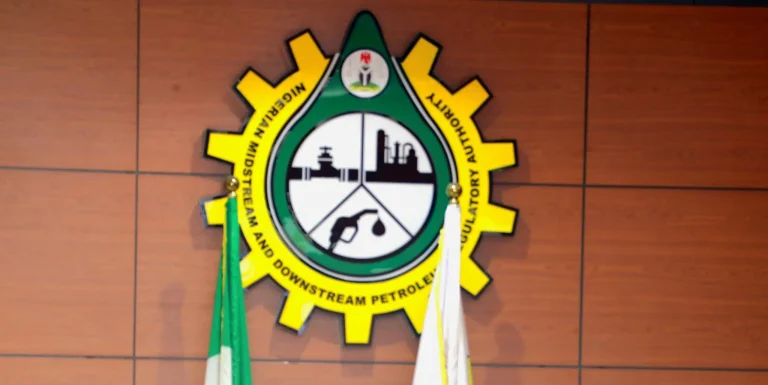
The Nigerian Midstream and Downstream Petroleum Regulatory Authority (NMDPRA) has issued fresh licences for the importation of petrol into Nigeria during the fourth quarter of 2026.
The regulator approved the importation of 830,000 tonnes of petrol for the quarter, according to a source at the agency who spoke to TheCable on Tuesday.
The latest approval is expected to support petrol supply across the country during the final quarter of the year.
“The Nigerian Midstream and Downstream Petroleum Regulatory Authority (NMDPRA) has approved 830,000 tonnes of Premium Motor Spirit (PMS) imports for the fourth quarter of 2026,” he said.
According to a S&P report, which first reported the issuance on Monday, the licences were issued as the government seeks to bolster supply amid increasing strain in the international fuel market.
“The Nigerian Midstream and Downstream Petroleum Regulatory Authority has issued 830,000 metric tons of gasoline import permits to six retail companies for Q4,” the statement reads.
“The companies and the licensed gasoline volume match the allocations made in June for Q3.”
According to the report, Matrix Energy, AA Rano, AYM Shafa, NIPCO, Pinnacle Oil, and Bono Energy received the import licences.
The approval comes amid renewed opposition from Dangote refinery to petrol import licences issued by the NMDPRA.
On March 25, the NMDPRA eased petrol import restrictions by granting a new batch of licences to local marketers.
Two months later, Dangote refinery filed a fresh suit at the federal high court in Lagos, challenging import licences issued or renewed by the NMDPRA for fuel marketers.
On August 25, Nigeria’s daily domestic petrol supply fell to 25.8 million litres in July, while petrol imports increased to 19.7 million litres per day, according to data from the NMDPRA .
A day later, the Dangote refinery said rising fuel imports were forcing it to export surplus petroleum products despite having the capacity to meet Nigeria’s domestic demand.


 Follow Us on Google Discover









2027: We have new tactics in place to checkmate Atiku, Obi – Wike

PSG star Hakimi to face rape trial as French court rejects appeal

Julius Berger opens recruitment for 6 positions across Nigeria – Apply Now

‘You will know what it means to stay hungry’ – Defence Minister Musa suggest military training for Nigerians

Edible oil tanker drivers call off strike following FG, DSS intervention

Umahi: FG to deploy 4,000 influencers to highlight Tinubu’s projects

NMDPRA grants new licences for Q4 2026 petrol imports

‘Leave Obi Alone’ — Ex-ASUU President Prof. Awuzie tells Soludo, Umahi

OK Movement rejects Dickson’s position, insists it is independent political organisation

EXCLUSIVE: Some APC Governors move to align with Atiku, ADC amid rift with Wike’s Rainbow Coalition

Troops rescue six female students, driver from kidnappers in Katsina

Court of Appeal declines SDP request to relocate Ekiti governorship tribunal

Steps to change phone number, email on JAMB portal

Gunmen kill three vigilantes as four miners die in Plateau pit collapse

Akwa Ibom At 39: Gov Eno’s address to Akwabomites (Full Text)

Moniepoint announces 70 job openings across Nigeria, lists requirements – Apply Now

Sundry Foods announces 8 Job vacancies across Nigeria – (How to Apply)

BREAKING: CBN slashes interest rate to 23%

“Thank God I’m not on list of Govs fighting Wike, I feel relieved” — Governor Sule reacts to APC Govs rift with FCT Minister

BREAKING: Tinubu extends vacation by one week, expected to return Weekend
EXCLUSIVE: Some APC Governors move to align with Atiku, ADC amid rift with Wike’s Rainbow Coalition
‘My administration left substantial funds in the Anambra Government’s accounts, – Peter Obi releases fresh evidence (Photos)

NDC set to inaugurate PCC, gives Obi, Kwankwaso nomination powers

I Am a Pastor’s daughter who got mocked for getting pregnant for a global superstar” — Sophia Momodu

2027: Obi’s NDC gov’t will reintroduce fuel subsidy, but in different form – Kwankwaso

Don’t call me Acting President, Tinubu is still in power and running Nigeria — Akpabio

Former Niger CP Diseye Nsirim is dead

Ex-SGF Babachir Lawal Joins NDC, Declares Support for Obi, Kwankwaso

US networks suspend Trump coverage after White House bars three media outlets
