Politics
Atiku’s subsidy plan will bring petrol down to N400–N500 – Dino Melaye

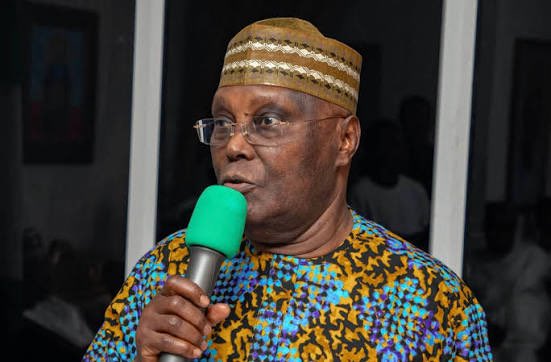
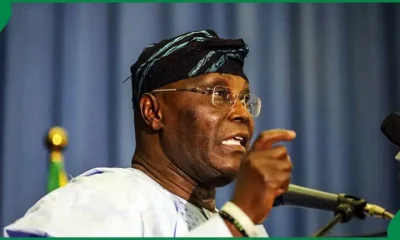
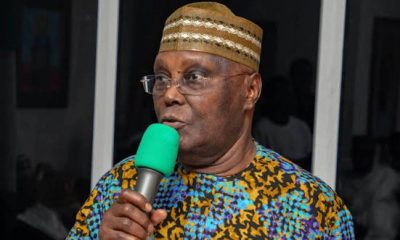
Former Kogi West Senator and African Democratic Congress (ADC) chieftain, Dino Melaye, has said former Vice-President Atiku Abubakar’s proposal to restore petrol subsidy could reduce the pump price of fuel to between ₦400 and ₦500 per litre if implemented.
Melaye made the statement on Monday while appearing on the Democracy Today programme of African Independent Television (AIT), where he defended the ADC’s economic agenda ahead of the 2027 general elections.
According to him, restoring the subsidy is part of the party’s plan to reduce the cost of living and make essential goods and services more affordable for Nigerians.
“Atiku is saying he will take these things from the few people and give them back to the people. By so doing, the possible concomitant effect is that there will be a reduction in the price of petroleum products,” Melaye said.
He added, “Once there is a reduction in price from ₦1,400, you will start buying fuel at ₦500 or ₦400; definitely it’s going to have resultant effects on every other price of goods and commodities.”
Atiku, who is the ADC presidential candidate for the 2027 election, recently unveiled his campaign council, with Melaye appointed to head the Contact and Mobilisation Directorate.
In August, Atiku said he would restore petrol subsidy if elected president, while also accusing the Tinubu administration of failing to account for funds saved following the removal of the subsidy.
The Tinubu administration has rejected Atiku’s proposal. President Bola Tinubu described the former vice-president’s position as evidence of what he called “serious ignorance of governance and economy”, while arguing that subsidy removal had increased funds available to state governments.
Melaye, however, maintained that the high cost of petrol had contributed significantly to the rising cost of living, arguing that Nigerians across political affiliations face the same market prices.
“Today, there is no APC market or petrol station. We all go to the same market. We buy fuel at ₦1,400. So everybody is concerned that you have moved us from hunger into compulsory fasting. The country is completely gone, economically and otherwise,” he said.
“What ADC is saying is that we are going to make Nigeria affordable again by bringing back fuel subsidy,” he added.
The former senator said the impact of petrol prices extended beyond filling stations, arguing that higher fuel costs affected transportation and the movement of goods and commodities.
“Everything revolves around subsidy. Once transportation is affected, movement of goods and commodities will be affected,” he said.
“Aviation fuel is also affecting movement in the air. So, the fuel is the interconnector to every other facet of the economy.”
Melaye also argued that corruption, rather than subsidy itself, was responsible for the loss of public funds under previous arrangements.
“Ab initio, there is no subsidy. What you have is corruption, money being stolen. So, we are replacing corruption now by leveraging the people. What few corrupt individuals are taking away, we are taking it back to the people,” he said.
He also compared borrowing under the Tinubu administration with that of former President Muhammadu Buhari.
Melaye claimed that Buhari borrowed ₦87 trillion during his eight years in office while petrol subsidy was still in place, whereas Tinubu had borrowed ₦157 trillion in three years without paying subsidy.
“During Buhari’s time, with fuel subsidy, Buhari borrowed ₦87 trillion in eight years. But Tinubu, in three years without paying subsidy, borrowed ₦157 trillion. Why will you be borrowing when you are making more?” he asked.
However, official Debt Management Office figures should be distinguished from Melaye’s comparison. The DMO’s public debt figures cover the Federal Government, states and the FCT, rather than only borrowing undertaken by the presidency or a single administration. The DMO reported total public debt of ₦87.38 trillion as of June 30, 2023, shortly after Tinubu assumed office.
The State House has also challenged Atiku to explain the legal, fiscal and practical basis of his proposed fuel subsidy arrangement, citing the Petroleum Industry Act and the current framework for petroleum product pricing.
Melaye’s projection of a ₦400–₦500 petrol price therefore remains a political claim about what the proposed subsidy policy could achieve if implemented, rather than a current or guaranteed pump price.


 Follow Us on Google Discover




We’ll restore fuel subsidy after tackling corruption – Obi

‘Tinubu hospitalised, receiving treatment in France’ – Sowore

Education Ministry releases approved textbooks for Nigerian schools

Atiku’s subsidy plan will bring petrol down to N400–N500 – Dino Melaye

2027: ‘Atiku will be physically present to lead Nigeria’ – ADC campaign council

Aiyedatiwa steps in as Ondo tertiary institutions suspend indefinite strike

FG issues flood alert to 24 states, FCT over heavy rainfall

Gunmen attack Plateau mining site, kill three women, injure one

Court sets October 13 for Atiku’s bid to amend Tinubu NYSC certificate suit

Court directs NMDPRA to grant import licences to Matrix Energy, AA Rano, AYM Shafa

UBEC launches digital platform to track basic education projects, state funds

Lagos’ Danielle Adewusi crowned Miss Universe Nigeria 2026

‘Show Nigerians what you built with borrowed money before taking another loan’ – Atiku challenges Tinubu

‘Fuel subsidy return will cripple Northern Nigeria’ – APC Chairman warns

JAMB restores CAPS, directs institutions to accelerate admissions

Nigerian Navy Batch 39 Recruitment 2026: Application opens October 2 — Requirements, How to Apply

Woman nabbed for allegedly smuggling alcohol into Ogun prison

Six NDC governorship candidates reject Babachir Lawal’s appointment as North-East campaign coordinator

2027: APC chapters reject Wike’s Rainbow Coalition, demand formal defection to APC

BREAKING: Panic as explosion hits gas station in Abuja

NDLEA nabs 25-year-old newlywed with 72 cocaine wraps at Enugu airport

US rejects Iran’s Strait of Hormuz reopening proposal

Flamingos crush Togo 4-0 to clinch 2026 WAFU-B U-17 Girls Cup title

2027 Poll: Supreme court verdict opens fresh legal battle over PDP, opposition candidates
Court directs NMDPRA to grant import licences to Matrix Energy, AA Rano, AYM Shafa

FG moves to revamp four ports nationwide

Tinubu hale and hearty, still performing his duties from Paris – Presidency replies Atiku, Obi, Others

NECO 2026: Kano emerges best performing state in Nigeria

2027: PDP members dump party for APC in Kwara
