
News
Natasha Akpoti-Uduaghan woos European investors to Kogi, hosts four ambassadors

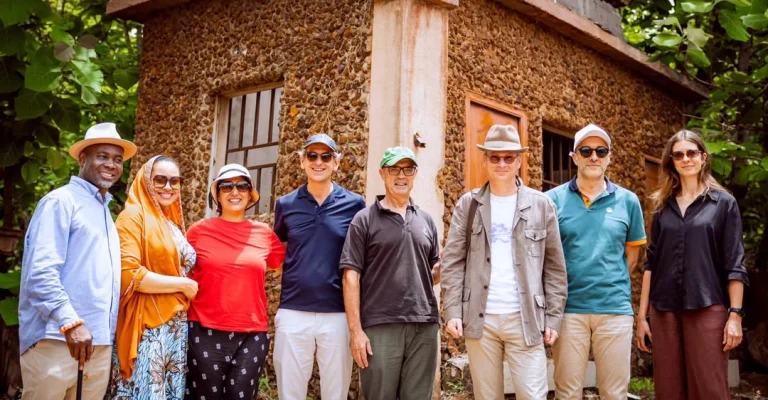
The senator representing Kogi Central, Natasha Akpoti-Uduaghan, has attracted European investment interest to Kogi State by hosting four ambassadors from Belgium, Denmark, Italy and Spain on a tour of the state’s cultural heritage, tourism sites and indigenous industries.
The visit was aimed at showcasing the economic potential of Kogi Central and exploring investment and humanitarian partnerships that could create jobs, support local businesses and improve the living conditions of residents.
During the tour, the diplomats visited historical landmarks, interacted with local artisans and experienced the culture, traditions and hospitality of the Ebira people.
The initiative is expected to expose the region’s tourism and business opportunities to international partners while encouraging foreign investment and collaborations that could promote economic growth and create more opportunities for local communities.
The development was disclosed in a statement issued by the senator’s media aide, Mike Idoko, in Abuja on Monday.
According to the statement, the engagement began with visits to Lord Lugard’s Rest House on Mount Patti in Lokoja and the confluence of the Niger and Benue rivers, before the delegation proceeded to Kogi Central for cultural activities and interactions with local communities.
The Ambassador of Italy to Nigeria, Roberto Mengoni, described the confluence as a symbol of national unity and expressed optimism about potential partnerships with the state.
“Kogi is very rich, and we look forward to partnership,” Mengoni said, thanking Akpoti-Uduaghan for facilitating the visit.
Belgium’s ambassador, Pieter Leenknegt, also praised the experience, particularly the hiking expedition around the historic hills of Ihima, commending the opportunity to explore the region’s landscape, culture and local cuisine.
The cultural programme included a visit to Obeiba Hill, where the diplomats sampled traditional delicacies such as akara, apapa and akamu.
They also observed indigenous production processes, including shea butter and palm kernel oil extraction, black soap making, pottery and traditional Ebira cloth weaving.
A masquerade performance further exposed the visitors to the community’s cultural identity and artistic traditions.
Denmark’s ambassador, Jens Hansen, expressed admiration for the skills of local artisans, particularly women involved in pottery, traditional clothing and other indigenous crafts.
He said the locally made products demonstrated the creativity and determination of the artisans, adding that their work offered opportunities for enterprise development and access to wider markets.
Addressing the delegation, Akpoti-Uduaghan said the visit was designed to demonstrate that Kogi Central’s economic prospects extended beyond tourism to include indigenous industries, skilled workers and entrepreneurial communities.
She disclosed that discussions with the diplomats covered investment and humanitarian opportunities, expressing hope that the engagement would translate into partnerships capable of delivering lasting benefits to residents.
“To attract investment, we must give people the chance to see our strengths for themselves: our skills, our enterprise, our culture and our people,” the senator said.
However, a planned visit to the Ajaokuta Steel Company could not proceed because access to the facility was allegedly not approved despite a written request by the senator.
Akpoti-Uduaghan said the delegation could only view the complex from outside its gates. She expressed disappointment over the development and renewed her call for the revival of the steel plant, describing it as vital to Nigeria’s industrial ambitions.
“Ajaokuta remains central to the industrial future we want for our people, and I will continue to advocate for its revival,” she said.
The Ajaokuta steel complex has remained a long-standing symbol of Nigeria’s unrealised industrial ambitions, with its revival widely regarded as an opportunity to boost manufacturing, create jobs and strengthen domestic supply chains.
Despite successive government efforts to complete and operationalise the plant, it has yet to fulfil its intended role as a major driver of industrialisation.
The senator thanked community leaders, residents and artisans for welcoming the delegation, saying their hospitality helped showcase the Ebira nation to an international audience.
She also expressed appreciation to the four ambassadors—Leenknegt, Bach Hansen, Mengoni and Félix Costales Artieda of Spain—for accepting the invitation and engaging with local communities.
Akpoti-Uduaghan said the visit had provided a platform to promote Kogi Central’s tourism assets, cultural heritage and indigenous enterprise, expressing hope that the exposure would attract partnerships and investment to the area.


 Follow Us on Google Discover












‘Ebola may force postponement of 2027 elections’ – NCDC

‘Nomination Was Unlawful’ — NDC aspirant drags Omo-Agege, party to court

Prof Ochefu rejects NDC Campaign Council appointment, give reason

Burna Boy presents Socrates Award to Bukayo Saka at 2026 Ballon d’Or ceremony

NDC unveils new National Secretariat in Abuja

INEC bows to pressure, makes preliminary Voters’ Register available online for public inspection

‘Atiku wants to push Nigeria back into poverty’ — Shettima

Why data may be used even when mobile data is switched off – MTN

Fani-Kayode arrives in South Africa, pledges to strengthen bilateral ties

“I know what I came into office to do” — President Tinubu

Court remands man at Kuje prison over alleged threat to release nude videos of Kano Governor

Agbara Nla: The Return hits N408.3m, ranks as Nollywood’s second-biggest film of 2026

Obi has nothing to offer Nigerians beyond ‘Dubious Statistics’ – Shettima

Dozens killed, 18 injured in attack on orthodox churches in Ethiopia

Ondo Assembly passes constitutional amendment bill for State Police
BREAKING: NDC unveils 2027 National Campaign Council, names Babachir Lawal, Galadima to key roles (Full List)

2027: ‘I support Tinubu’ – Iyabo Obasanjo states position after Very Nigerian story

2026 Ballon d’Or: Date, time, venue, streaming details revealed

Troops storm bandits’ hideout, rescue three kidnap victims in Kebbi

US Pastor marries second wife, describes monogamy as unbiblical

Blessing CEO regains freedom after four months in prison

BREAKING: NCDC identifies two additional suspected Ebola cases, tracks 53 primary contacts

Woman killed, two injured as gunmen attack groundnut farmers in Plateau

FIFA U-17 Women’s World Cup: Round of 16 fixtures, dates, kick-off times revealed

Lone Ebola patient to be flown out of Nigeria for further treatment

Outrage as viral video shows JIBWIS members demanding AK-47s, threaten to kill ‘Infidels’ in Enugu, Jos on a Sunday

Forget Social Media noise, Tinubu is loved by Nigerians, Information Minister Mohammed Idris

Reaction trails as APC youth leader Dayo Israel gifts 2026 Toyota Prado SUVs to party officials

Bandits storm Kaduna community, abduct two farmers
