National News
Senate advances Electric Vehicle Transition bill for second reading

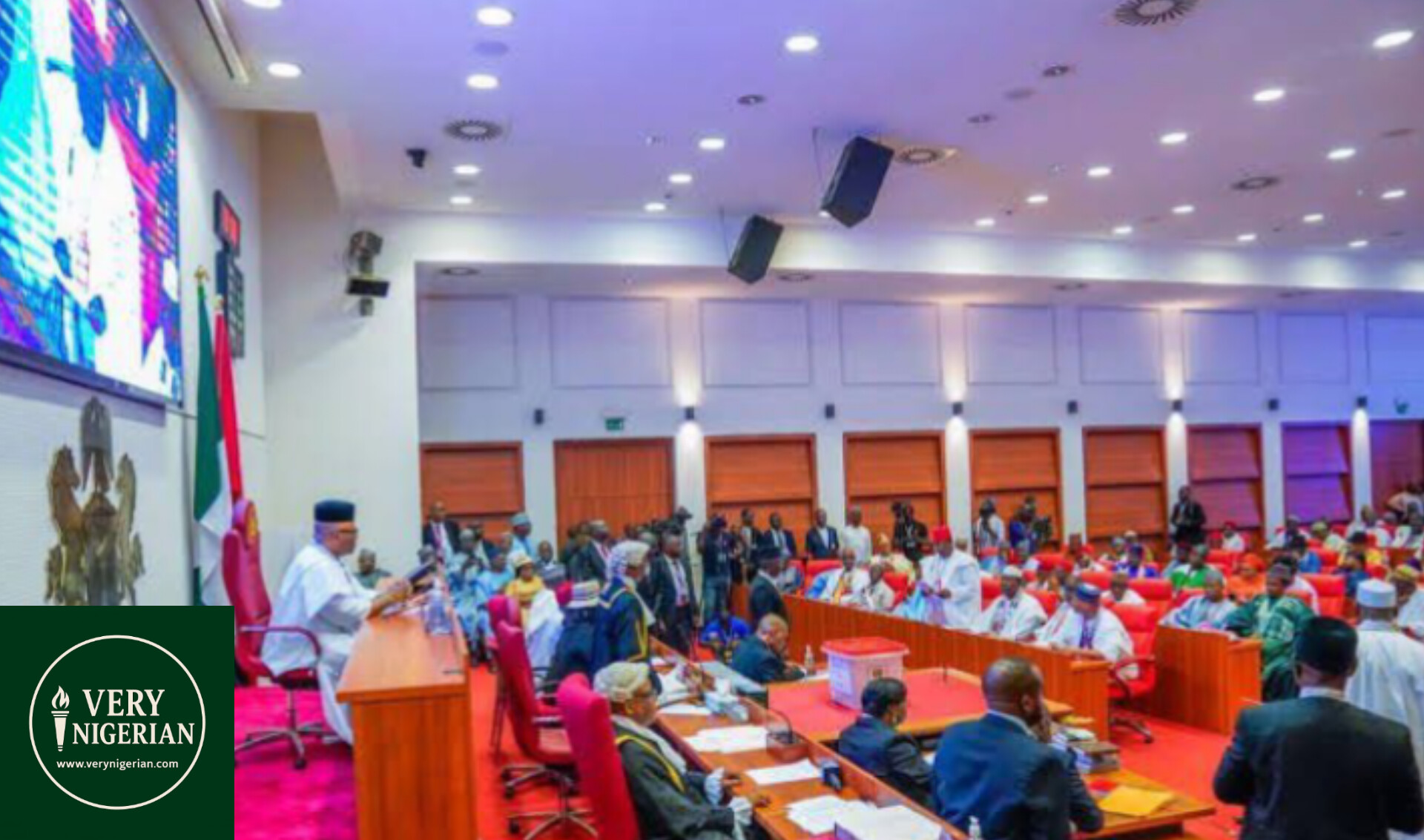
The Nigerian Senate has passed the Electric Vehicle Transition and Green Mobility Bill, 2025, for its second reading.
Sponsored by Senator Orji Uzor Kalu (Abia North), the bill aims to establish a national framework to guide Nigeria’s transition from fuel-powered vehicles to electric ones, while promoting local manufacturing and reinforcing the nation’s environmental sustainability goals.
Lawmakers expressed strong support for the legislation, highlighting the need to position Nigeria as a key player in the global shift toward cleaner transportation.
The bill outlines strategies to achieve this through local content development, foreign partnerships, and the rollout of a nationwide electric vehicle charging infrastructure.
Leading the debate, Kalu said the law aims to transform Nigeria’s automotive and energy sectors, foster innovation and create jobs across the manufacturing value chain.
He noted that the bill provides tax holidays, import duty waivers, toll exemptions, subsidies and road tax reliefs for EV users and investors. It also mandates the installation of charging stations in all fuel outlets nationwide.
A key provision requires foreign automakers to partner with licensed Nigerian assemblers and establish local assembly plants within three years, with at least 30 percent local content sourcing by 2030. Violations could attract fines of up to 250 million naira per breach, while unlicensed EV importers risk 500 million naira fines and goods confiscation.
Economically, the bill also seeks to make Nigeria a hub for EV manufacturing in Africa by mandating that assemblers produce a minimum of 5,000 units annually and meet international safety and technical standards. Investors establishing charging stations will also qualify for government grants and tax credits.
The Senate President, Godswill Akpabio, described it as a forward-looking legislative effort aligned with President Bola Tinubu’s economic diversification and clean energy agenda.
The bill has been referred to the Senate Committee on Industry for further review and is expected to return to the chamber within four weeks.


 Follow Us on Google Discover







La Liga: Unstoppable Barcelona beat Real Betis 5-2 to extend winning run

EPL: Super Eagles star Iwobi fires Fulham to first league victory

Ogun hospital under fire as Nurse dies of asthma attack amid alleged oxygen failure

Maryam Babangida Center for Women Devt gets first wheel chair ramp after 34 years

Shettima inaugurates Arewa for Asiwaju campaign office in Abuja

2027: ‘APM will beat Tinubu in 12 battleground states’ – Makinde’s campaign team

Veteran Journalist, diplomat Dele Cole dies at 86

Suspended NSCDC commandant apologises over deaths of suspected illegal miners in Niger

EPL: Martinez rushed to hospital after head injury as Chelsea beat Everton

COAS arrives Borno as Military moves to clear terrorist camps, rescue abductees

Macky Sall quits race for UN Secretary-General position

Buhari backed Osinbajo’s presidential ambition four times, Akande tells Babachir Lawal

Dr. Benjamins‑Laniyi urges media to amplify women’s leadership, adopt gender‑sensitive reporting

Pope Leo XIV set to leave hospital after lung cancer surgery

Gunmen kill four vigilantes in Plateau community

Erisco Foods announces 13 job openings across Nigeria – Apply Now

House Officers, Nurses, Radiographers, Others wanted as DELSUTH opens recruitment – Apply Now

2027: Step down if you are not working for Tinubu – Deji Adeyanju dares Obi, Kwankwaso

Tinubu reappoints Bala Bila as INEC commissioner, nominates six others

Panic in Rivers community as pipeline explosion injures 20, razes over 50 houses

Elon Musk unveils Tesla’s ‘flying’ car in stunning demonstration

2027: Kwankwaso a goat in sheep’s clothing, secretly working for Tinubu – Atiku Campaign Council

2027: Tinubu to miss rallies in over 20 States as APC releases campaign timetable

33 Governors cannot be wrong in supporting Tinubu – Bayo Onanuga

2027: ‘Atiku, Obi, Duke, Makinde are not threats to Tinubu’, says APC
Gunmen storm Plateau, kill traditional ruler at residence

2027: ‘Don’t trust your destiny to ‘kalokalo’ people’ – Wike warns Rivers voters against Atiku, Amaechi, Obi

Atiku fully fit, ready to campaign in all 36 states, interact with Nigerians – ADC PCC

BREAKING: Oyebanji makes history as first Ekiti Governor to win second consecutive term
